Article and photos by Dylan Clements
Last updated: August 2026
The Peninsula Tokyo is by far our top-selling hotel in Tokyo. We book a lot of stays here, so when we were planning our grand tour of Japan last December, I knew we needed to spend some time at the hotel ourselves.
I had been to The Peninsula Tokyo before for a site visit, so I already knew the hotel reasonably well. But there is a big difference between walking around a hotel for an hour and staying there as a guest.
Clements Travel is an authorized Peninsula PenClub partner. That means when our clients book eligible Peninsula stays through us, they can receive extra benefits such as daily breakfast, hotel credit, room upgrades and flexible check-in and checkout privileges depending on the stay.
I also want to be very clear about something from the start. Just because we are a PenClub partner doesn't mean I am going to give the hotel an easy ride in this review.
I still wanted to review The Peninsula Tokyo the same way I review every hotel we stay at. If something felt dated, I would say so. If the service missed the mark, I would say that too. And if something was excellent, I wanted to understand exactly why.
This time, I wanted to experience the hotel exactly as our clients do. I wanted to see what the rooms were like to live in, have breakfast, use the facilities, experience the service over several days and get a better idea of why this hotel is so popular with the people we send to Tokyo.
And The Peninsula is an interesting hotel to review right now.
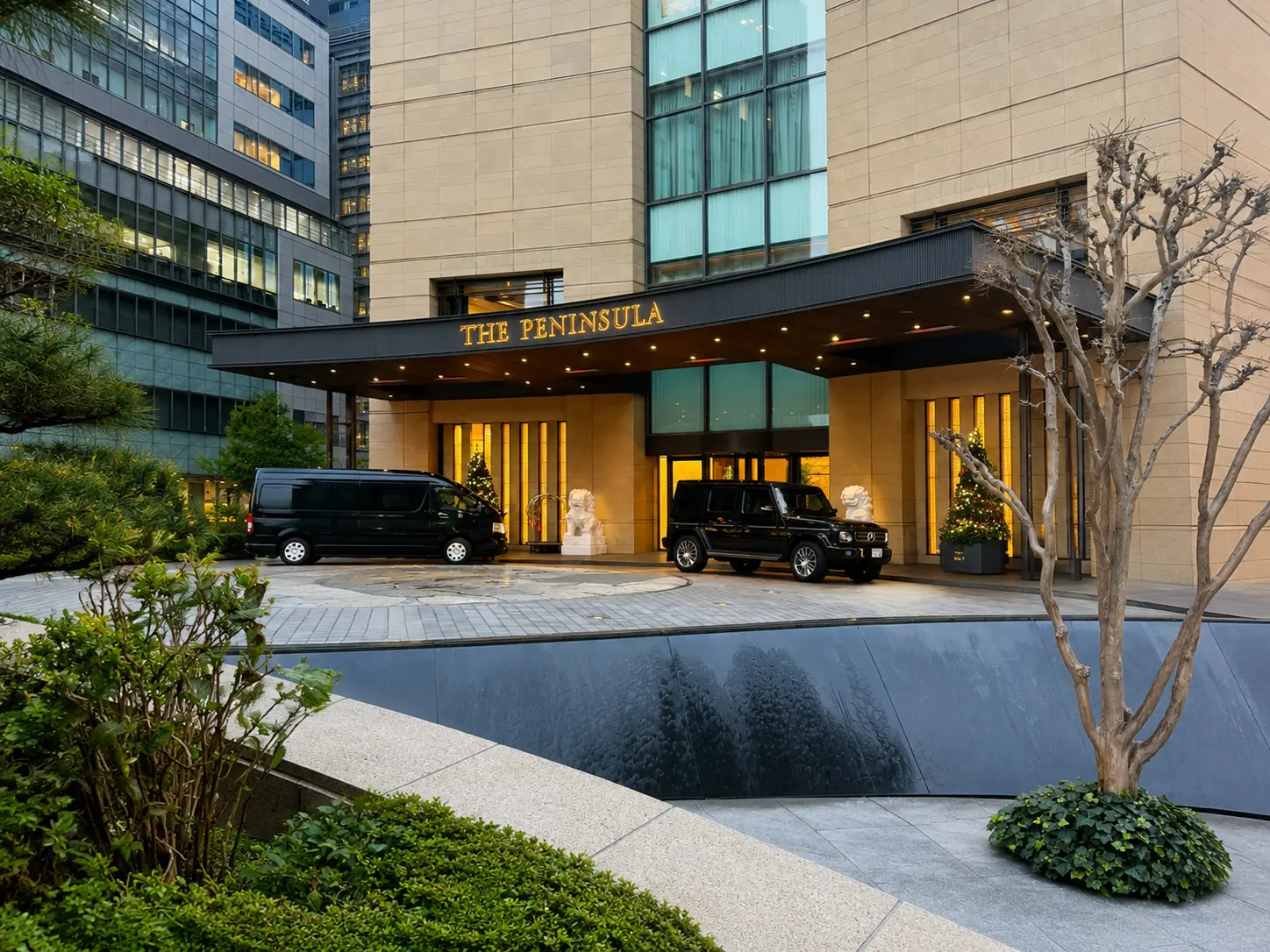
It opened in 2007, which makes it one of the more established names in a Tokyo luxury hotel scene that has changed enormously over the past decade. You now have Aman Tokyo, Four Seasons Hotel Tokyo at Otemachi, Bulgari Hotel Tokyo and a growing list of newer luxury hotels competing for travelers willing to spend serious money on their Tokyo stay.
The Peninsula isn't trying to be the newest hotel in the city. It doesn't occupy the top floors of a giant skyscraper, and it isn't built around minimalist interiors or making a dramatic first impression on Instagram.
Instead, it is a freestanding grand hotel in an excellent position opposite the Imperial Palace, with Ginza just steps away.
After selling the hotel so often, I was particularly interested to find out whether I would like staying here as much as our clients seem to.
The Peninsula Tokyo location
One of the biggest advantages of The Peninsula Tokyo is the location.
The hotel sits right by Ginza, which gives it a much livelier feel than many of Tokyo's luxury hotels clustered around Tokyo Station and Otemachi.
There is a lot going on as soon as you walk out the door. Ginza is one of Tokyo's main shopping districts, with huge department stores, international luxury brands and Japanese boutiques, but it isn't just about high-end shopping.
You also have countless restaurants, cafés and bars nearby, including tiny hole-in-the-wall sushi joints tucked away on side streets. That contrast is one of the things I love about Tokyo. You can walk past Chanel or Hermès and a few minutes later be sitting at a tiny sushi counter that only seats a handful of people.
For a first visit to Tokyo, I think this is a particularly good area to stay.
Some of Tokyo's best luxury hotels are in quieter business districts. Hotels like Four Seasons Otemachi and Aman Tokyo have incredible views, but once you leave the hotel, the immediate neighborhood has a very different feel.
At The Peninsula, you can walk out of the lobby and within minutes be shopping in Ginza, finding somewhere for sushi, stopping for a drink or simply wandering around.
You are also opposite Hibiya Park and close to the Imperial Palace, so you get an interesting combination of green space and one of Tokyo's liveliest shopping and dining areas.
For many of our clients, especially those visiting Tokyo for the first time, I think the location is one of The Peninsula's biggest selling points.
Checking in at The Peninsula Tokyo
Our arrival at The Peninsula Tokyo was very straightforward. We came from Tokyo Station, which was around a 6 minute Uber ride and cost approximately $11.00USD
The front of the hotel is a hive of activity, with cars pulling in and guests constantly coming and going.
When you walk through the entrance, you arrive at one of the hotel's restaurants, aptly called The Lobby. More on that in a moment, but this is another busy part of the hotel, with people having breakfast, afternoon tea, drinks and meetings throughout the day.
The check-in area is just behind The Lobby. Check-in was painless, our Peninsula PenClub benefits were reconfirmed, and once everything was sorted we were privately escorted up to our room.
Our Premier Room
We stayed in a Premier Room, and I liked it a lot more than I expected to.
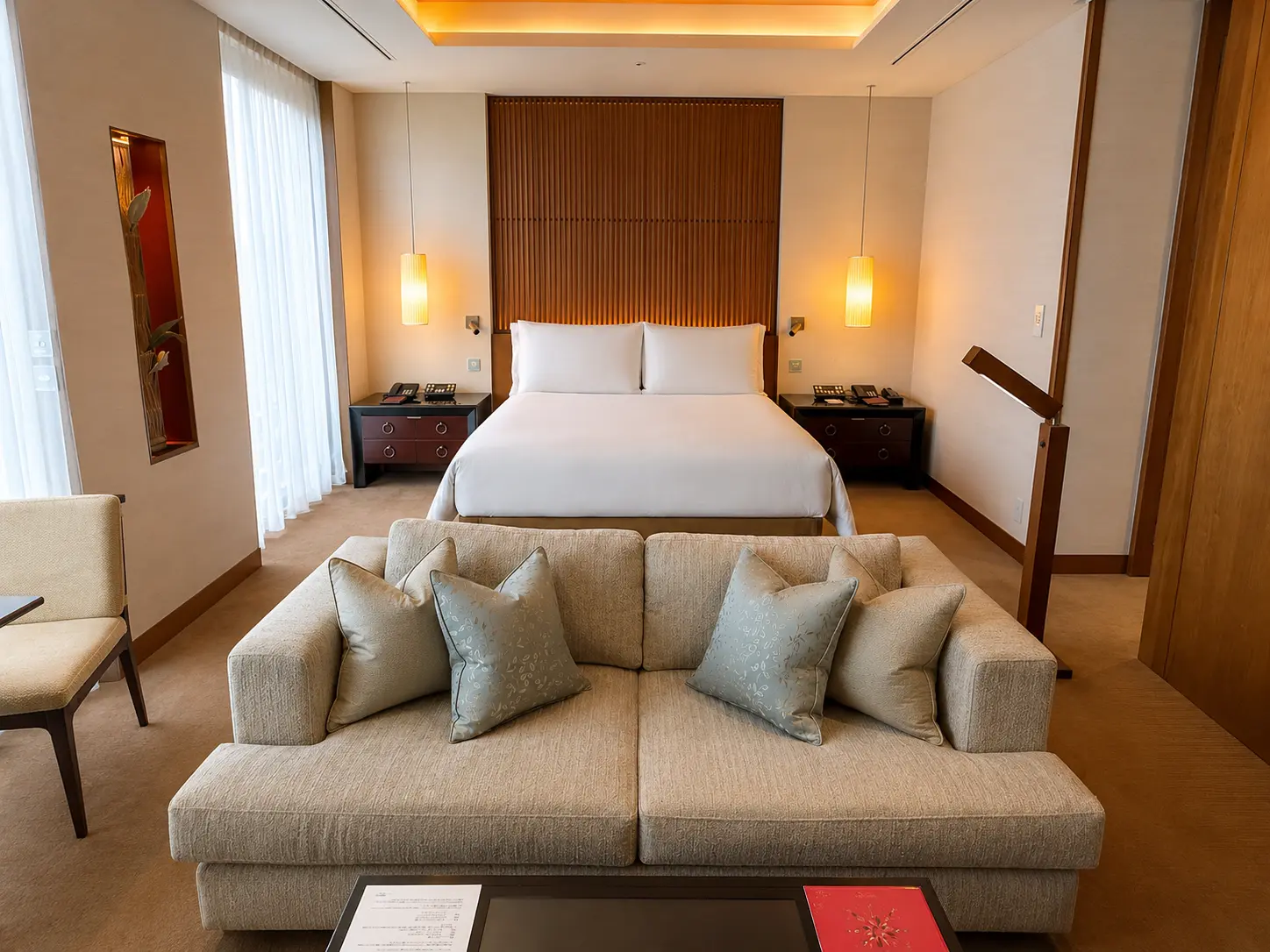
The first thing that stood out was how homely it felt. There is a lot of warm wood, cream, red and quite a bit going on visually, but I much preferred that to another white or beige luxury hotel room that could be anywhere.
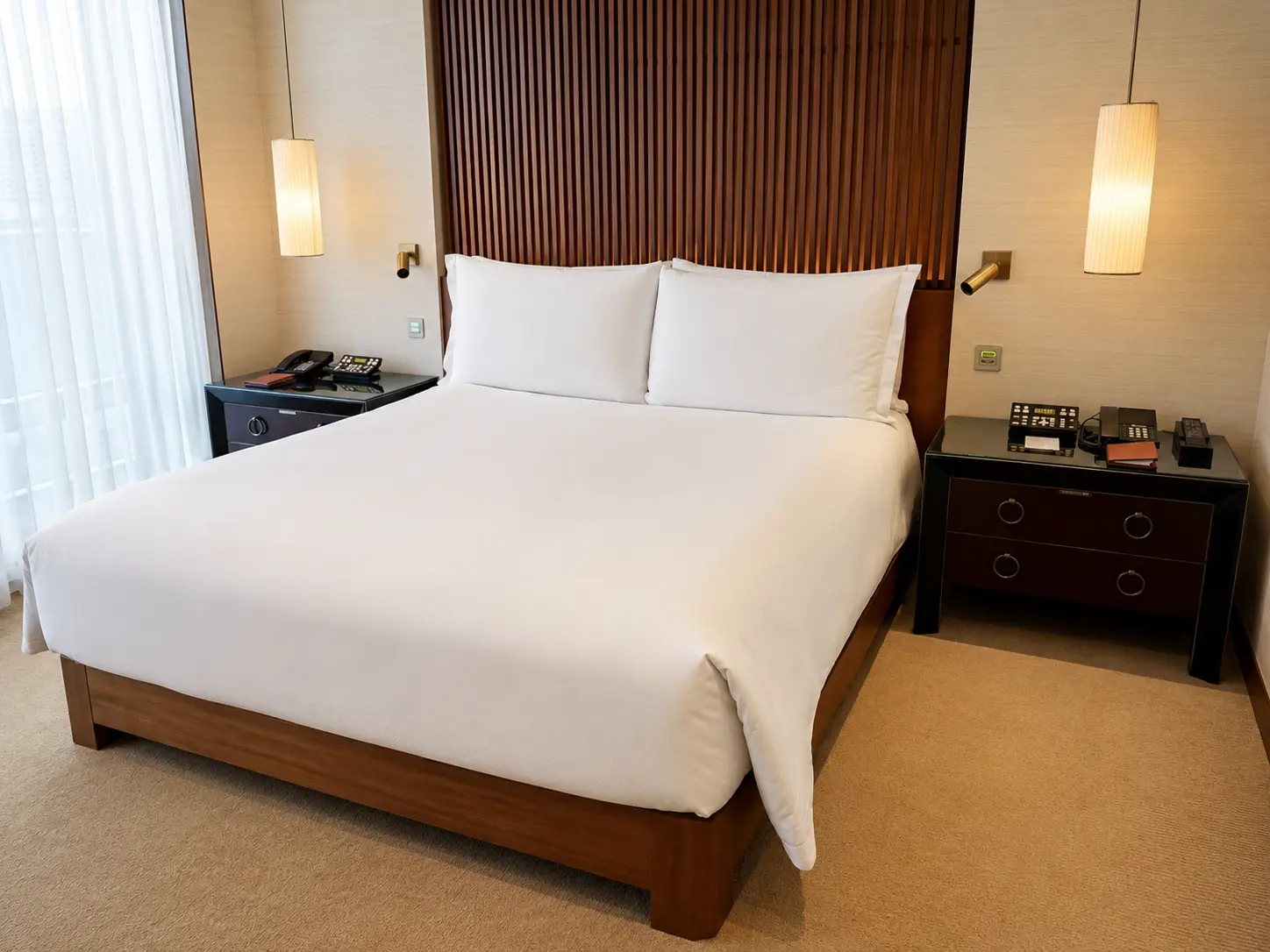
The room itself was a very good size, with the bed at one end, a sofa in the middle, a dining table by the windows and a proper work desk along the wall.
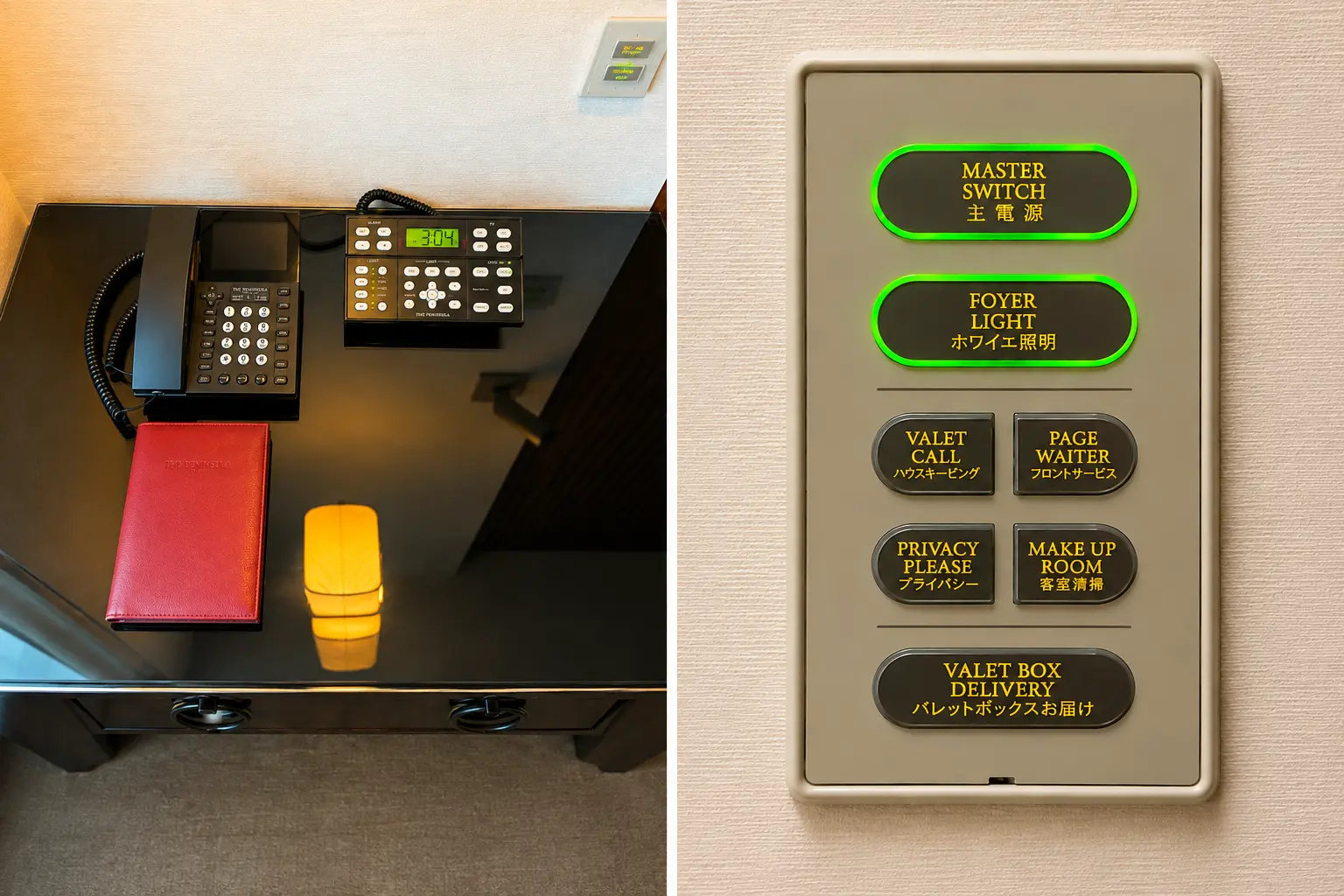
The technology is a big part of the experience. At first glance it looks complicated because there are buttons everywhere, little screens, separate controls for different things and some equipment that feels very early-2000s Japan. But it was incredibly easy to use. Far easier, in fact, than some much newer hotels where you spend ten minutes fighting with a touchscreen just to turn off a lamp.
There was also some wonderfully retro stuff. A DVD player. A printer. Old-school telephones. A little bathroom TV. None of it felt tacky or neglected. It felt intentional, and somehow still suited the room. I found all of it fun. It gave the room character and, weirdly, made me feel more like I was in Japan than a room full of sleek touchscreens would have.
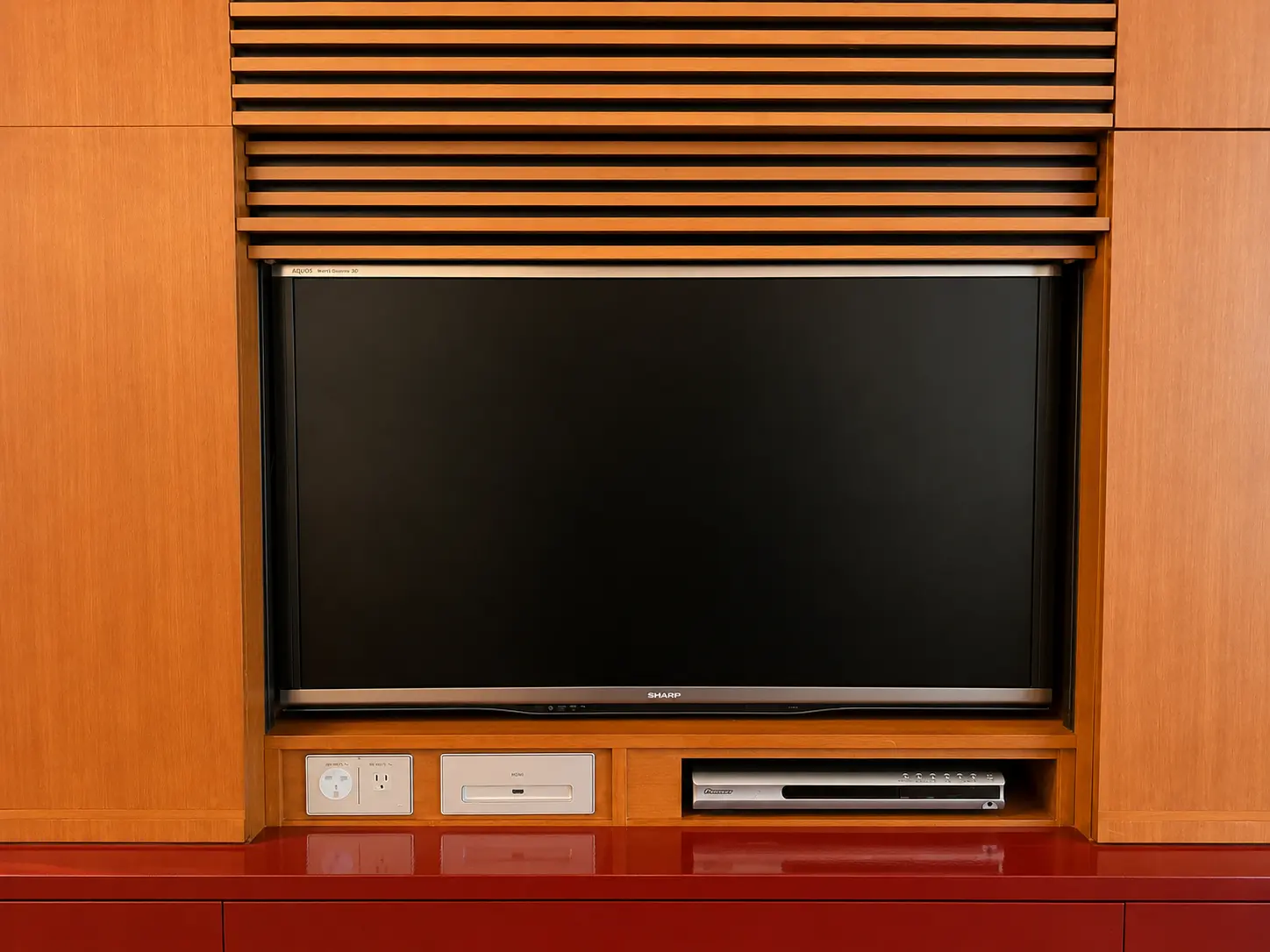
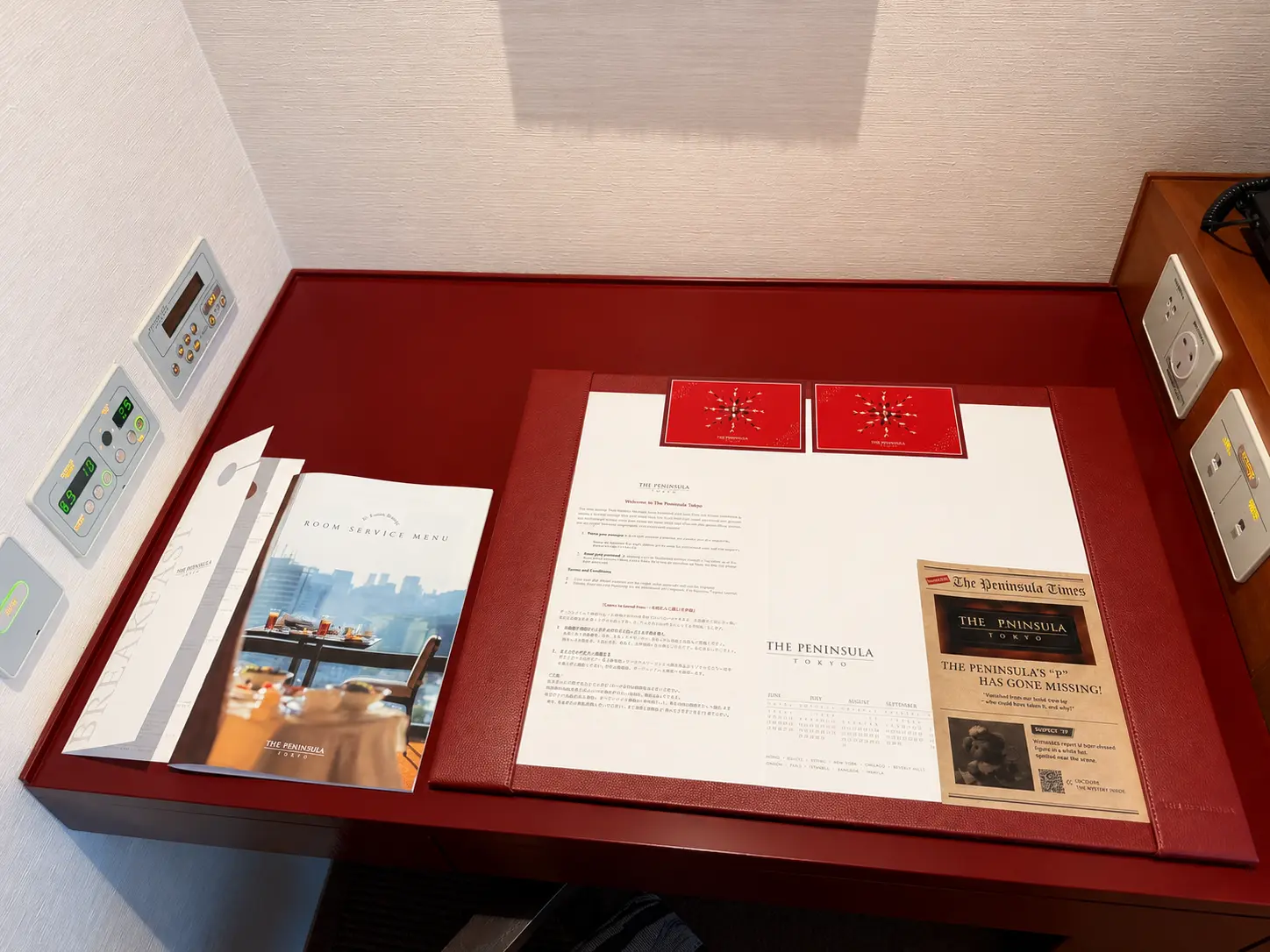
Everything was very well stocked. The desk had paper, envelopes, scissors and all the little bits you might genuinely need if you were trying to get something done rather than just posing a laptop there for a photo.
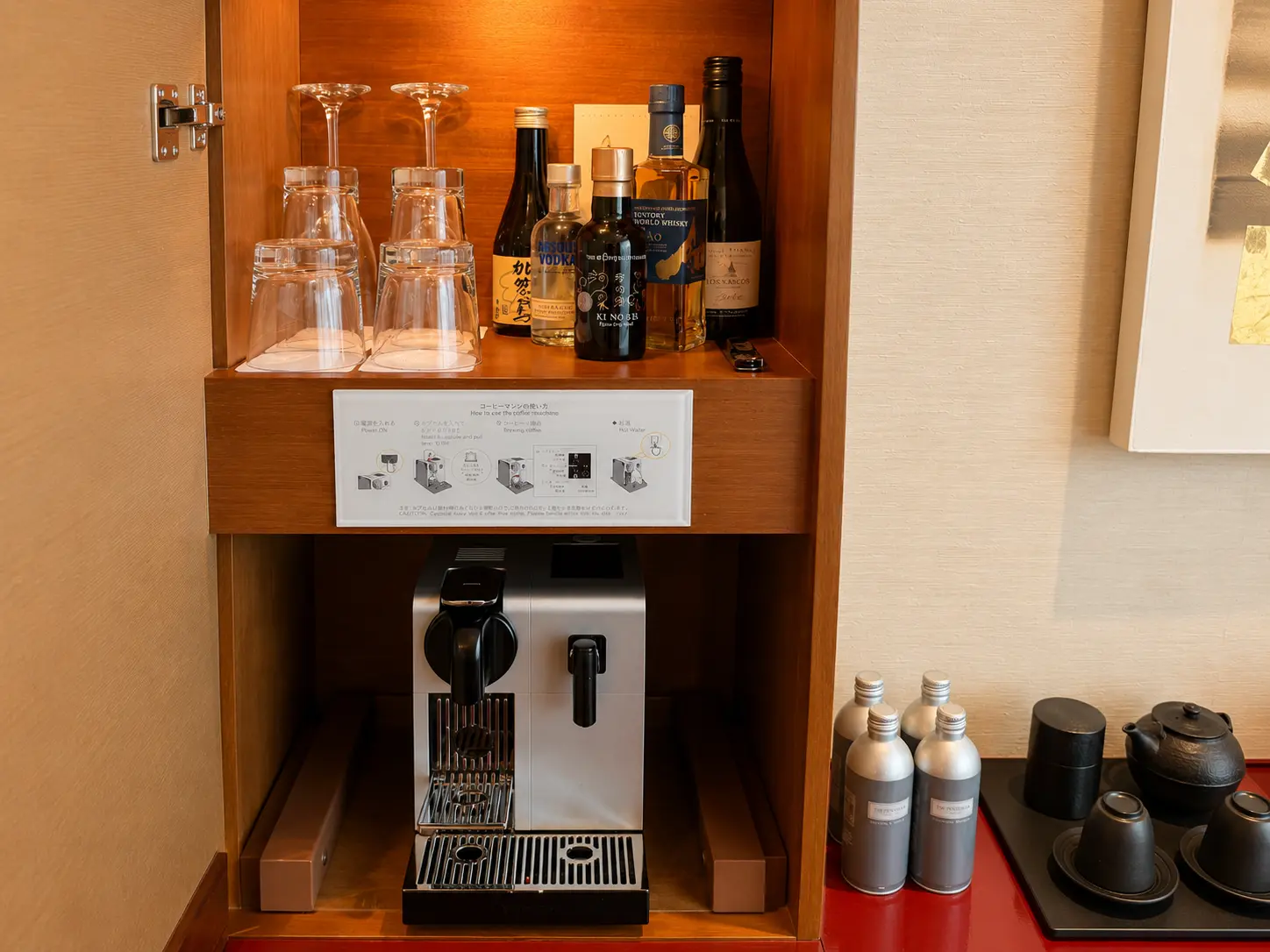
The minibar and coffee setup were similarly thorough, with proper glassware, tea, coffee, bottled water and a decent selection of drinks.
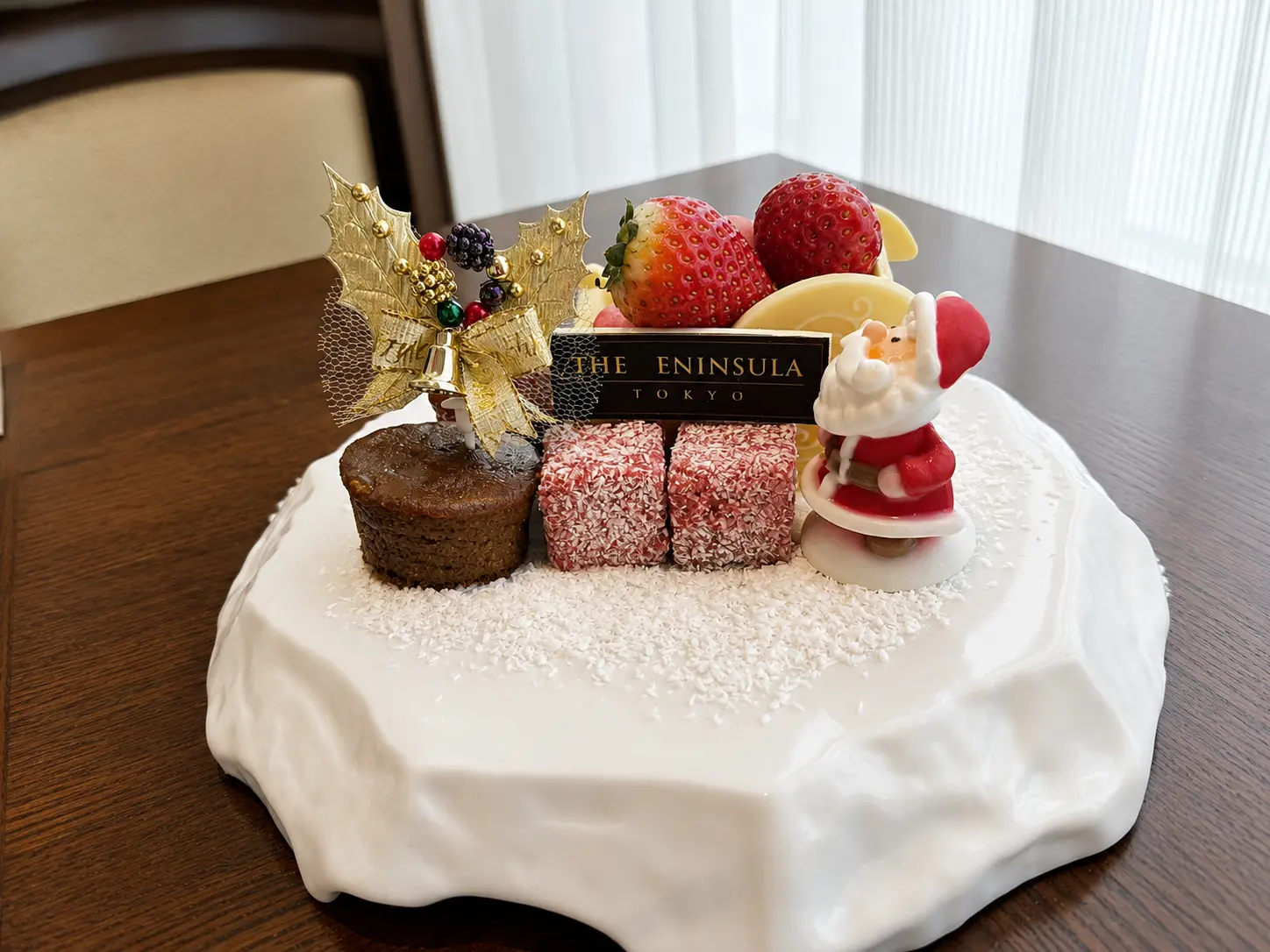
We also had a seasonal welcome amenity waiting for us when we arrived which in our case was late December so we got a Christmas themed ammenity.
The dressing room was probably my favorite part.
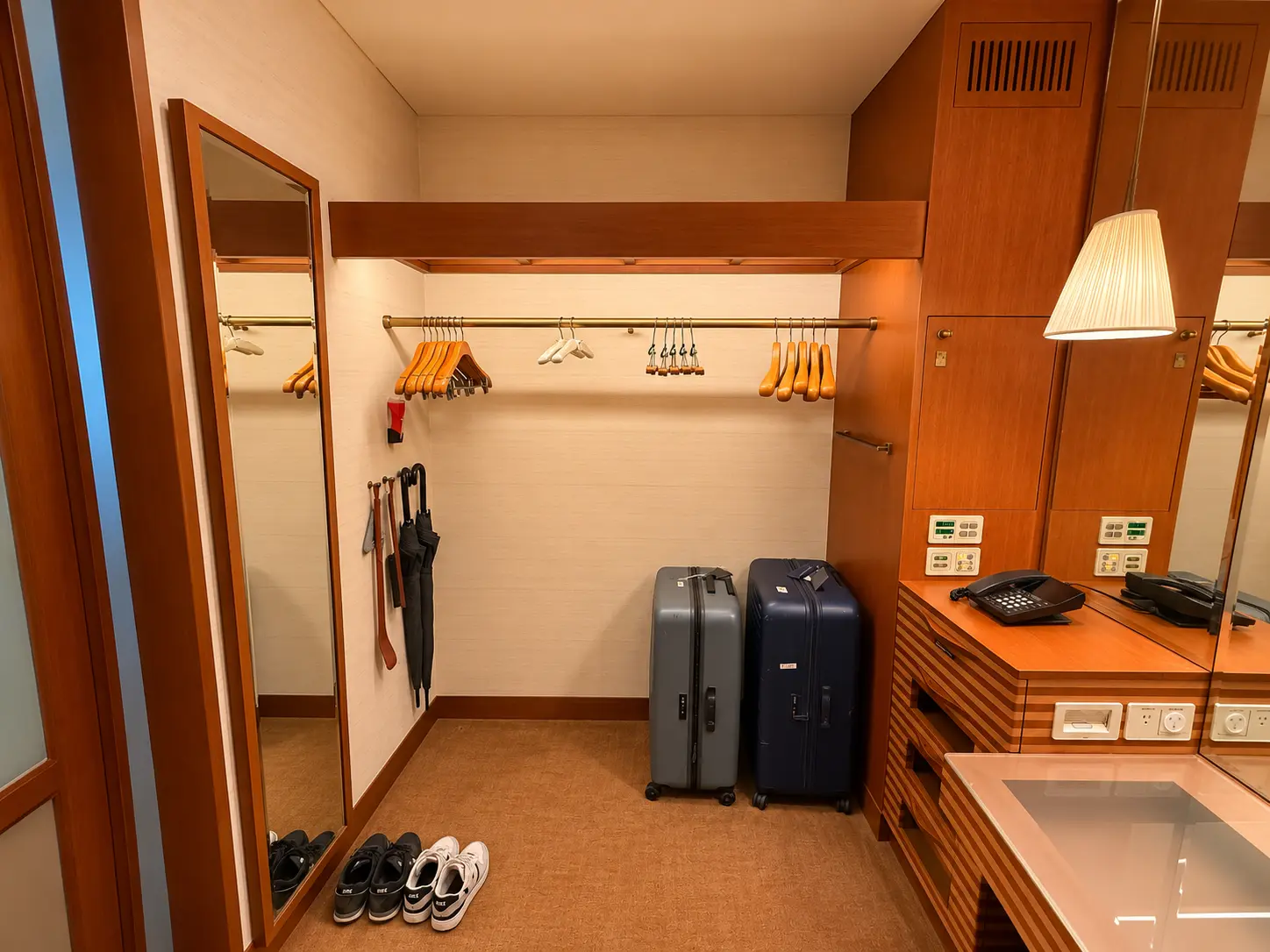
It was huge by hotel standards and comfortably fitted all of our luggage. After doing far too much shopping around Japan, we could open everything up, move around, reorganize bags and repack without turning the bedroom into chaos.
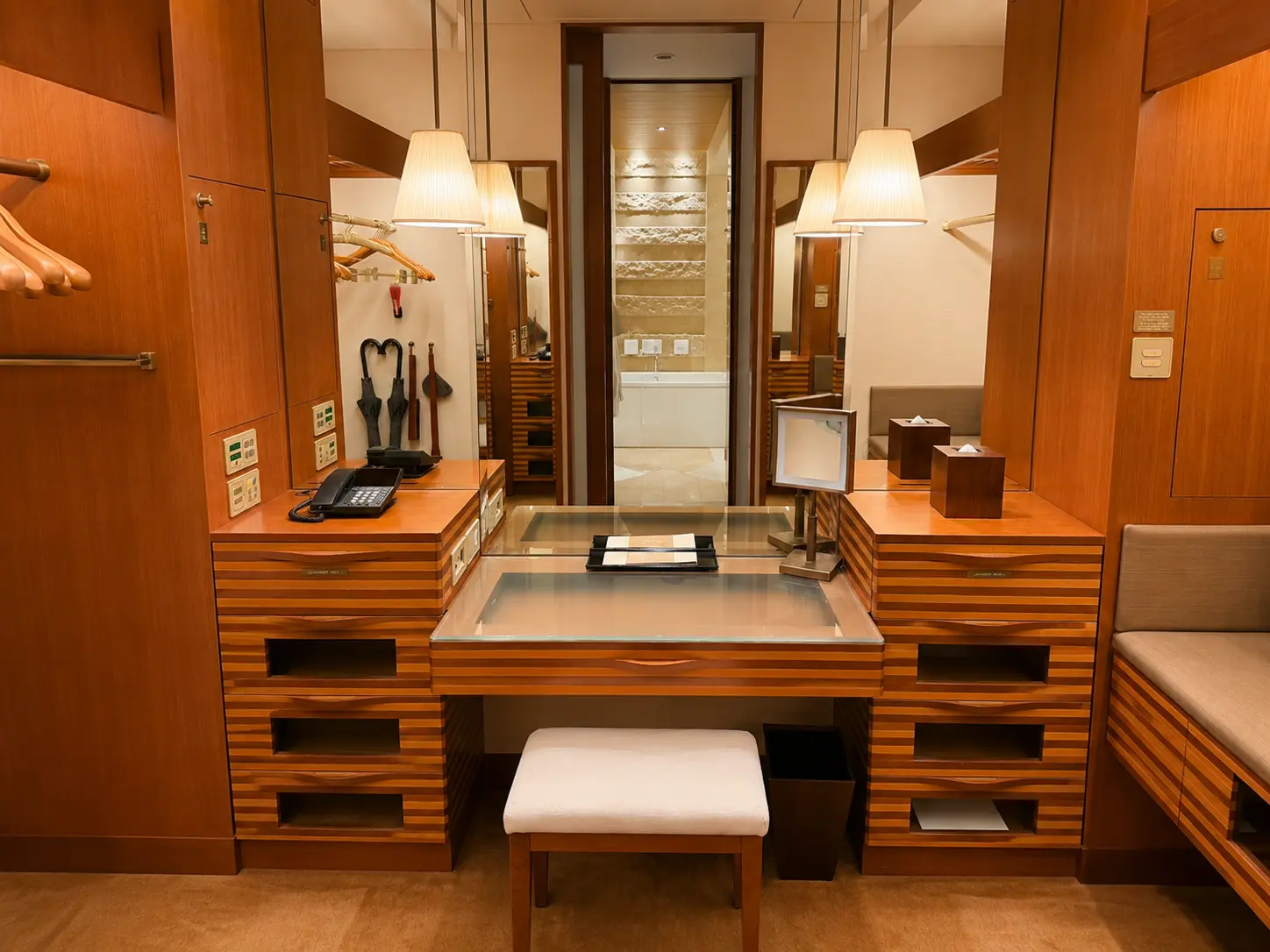
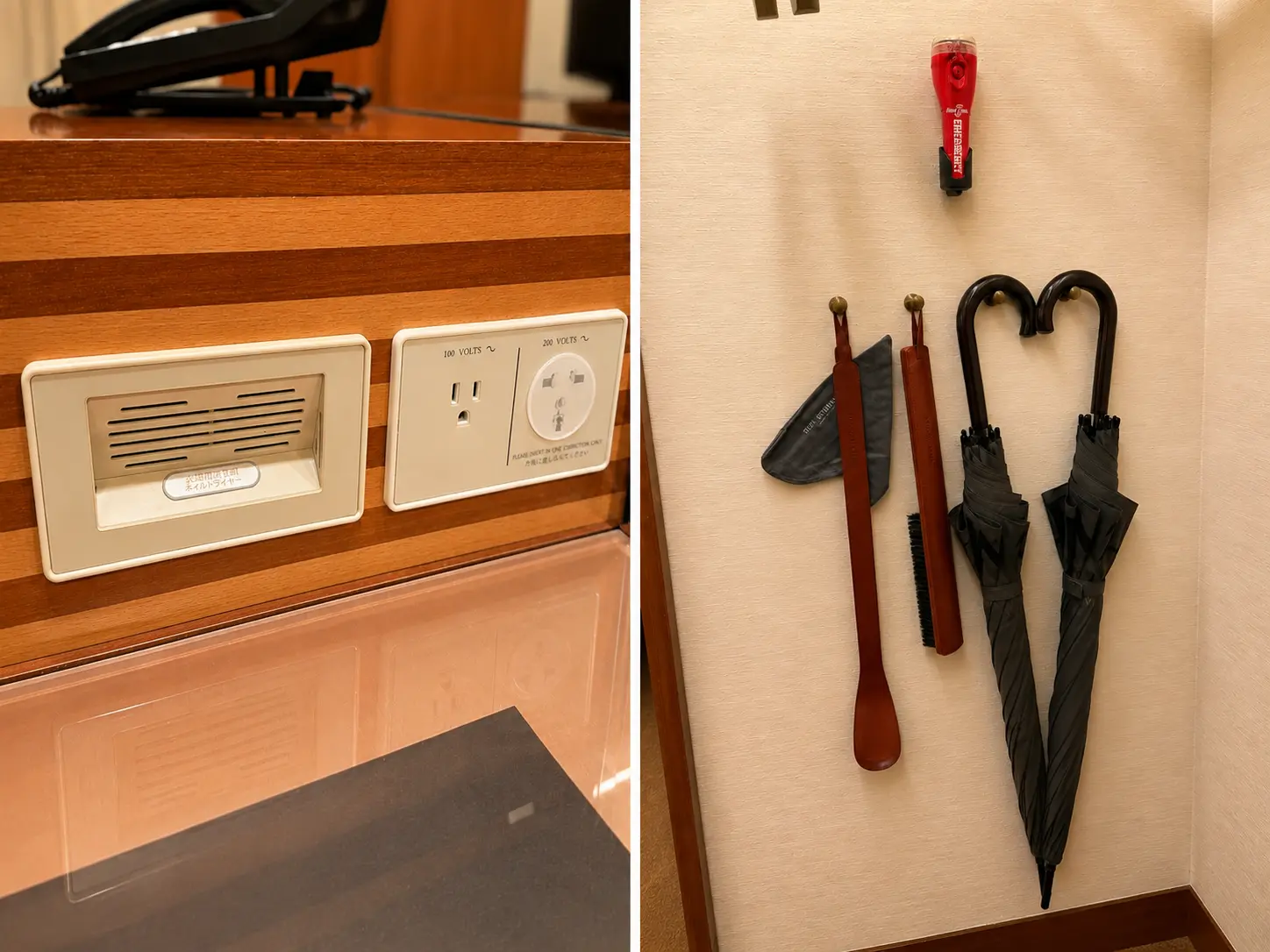
There were drawers everywhere, plenty of hanging space, a vanity, luggage storage, umbrellas, shoehorns, shoe-care accessories and lots of other small touches that made it feel like someone had really thought about how guests use a room.
One of those was the famous Peninsula nail dryer. There is an old story that the idea came about after the owner's wife was late to an event because she was waiting for her nails to dry. I have never seen Peninsula officially confirm that story, so I would treat it more as hotel folklore, but the nail dryer is definitely there and is exactly the kind of slightly eccentric feature I loved about this room.
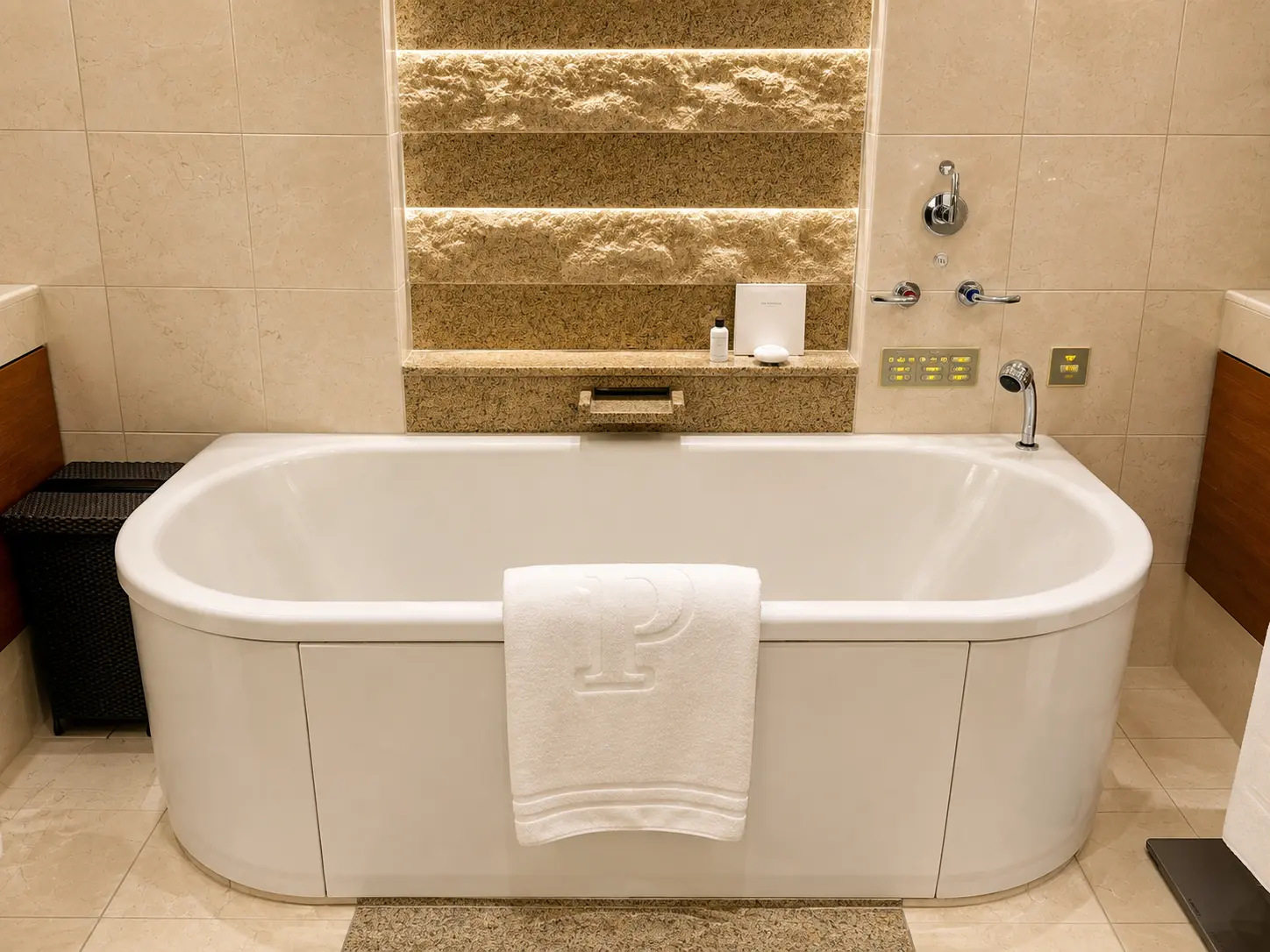
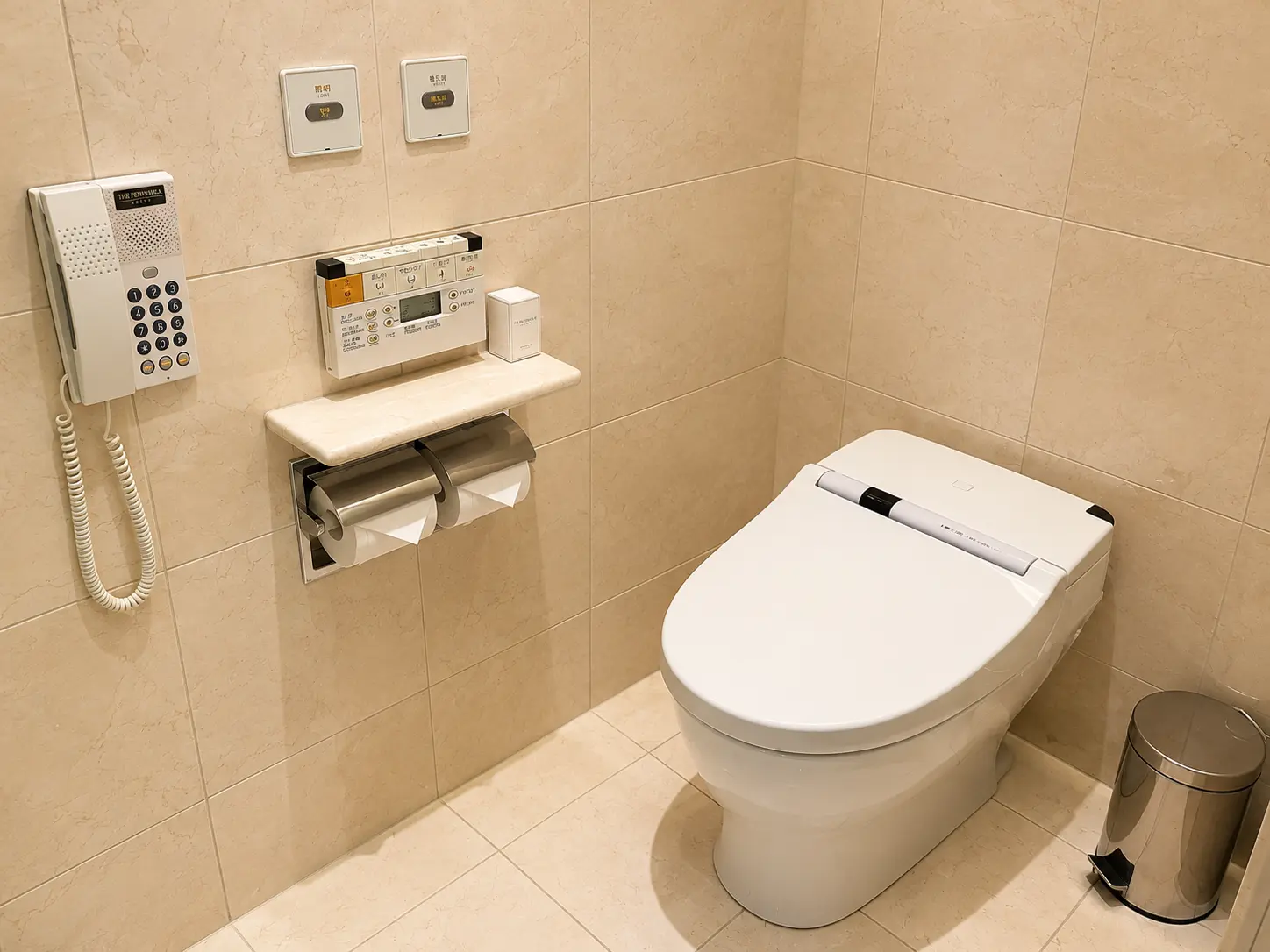
The bathroom was just as well equipped. There was a deep soaking tub, separate shower, separate Japanese toilet and loads of bathroom amenities rather than the bare minimum you sometimes get now. Everything felt stocked and ready to use.
And then there was the little television by the bath.
I loved that thing. Again, it is not remotely cutting edge, but sitting in the bath watching TV on this tiny built-in screen was far more enjoyable than it had any right to be.
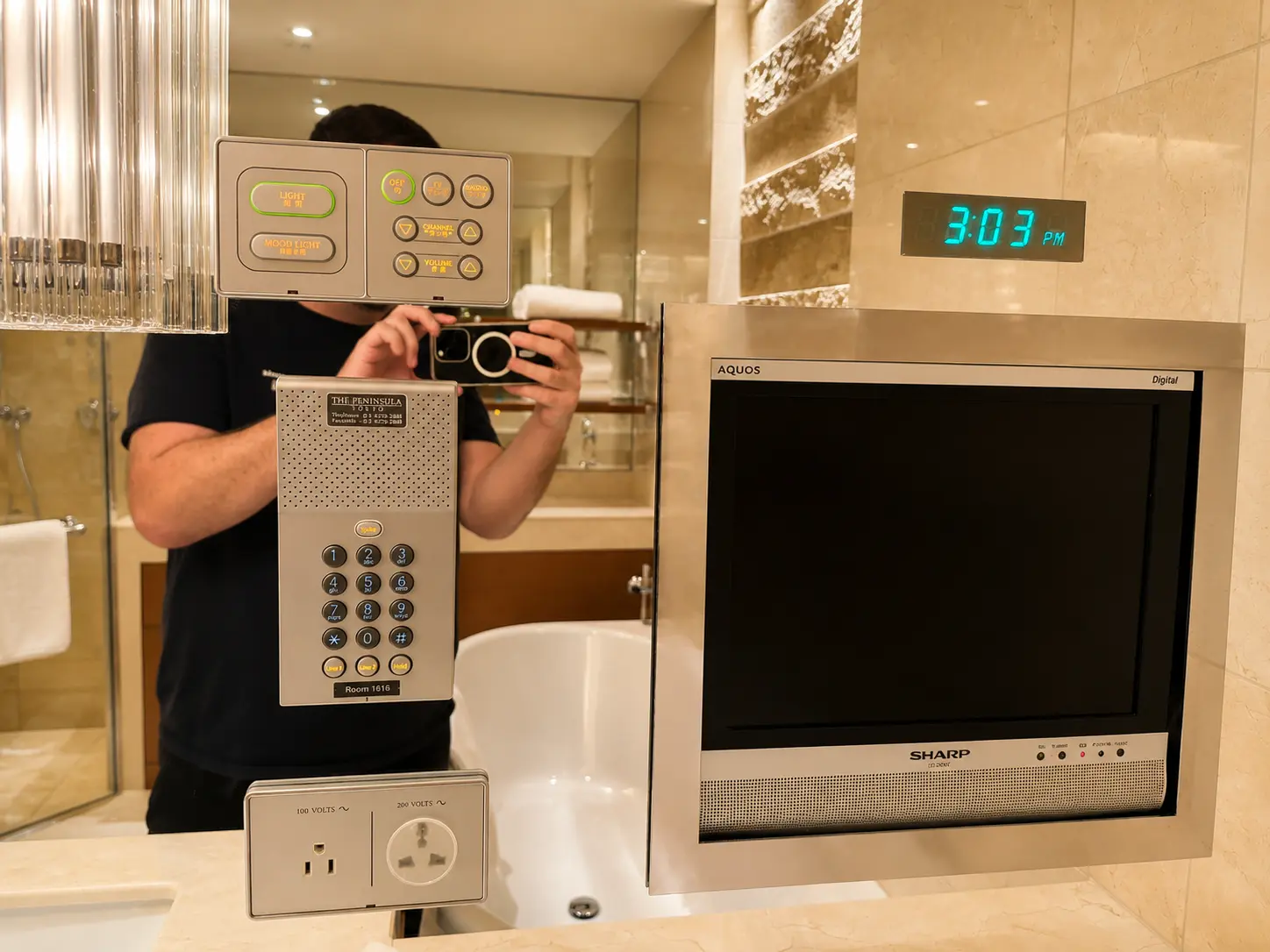
There were controls for the lights, mood lighting, radio and TV, plus yet another telephone. The whole room was full of buttons.
And that was really why I enjoyed it. The Premier Room isn't minimalist and it doesn't feel like it was designed last week. But it has personality, the layout is excellent, everything is incredibly well stocked, and almost every part of the room feels useful. I would take that over a bland new room full of beige stone and one giant touchscreen any day.
Bars and Dining at The Peninsula Tokyo
We were only at The Peninsula Tokyo for a couple of nights, so there was no chance we were going to get through all of the restaurants and bars. There are a surprising number of options for a city hotel, from Cantonese and Japanese dining to Peter on the top floor, afternoon tea and the bakery downstairs. That said, you are also staying in Ginza, so I certainly wouldn't suggest eating every meal inside the hotel.
The Lobby
The Lobby is the restaurant you walk straight into when entering The Peninsula. It sits right in the center of the ground floor and is used throughout the day for breakfast, lunch, afternoon tea and drinks.
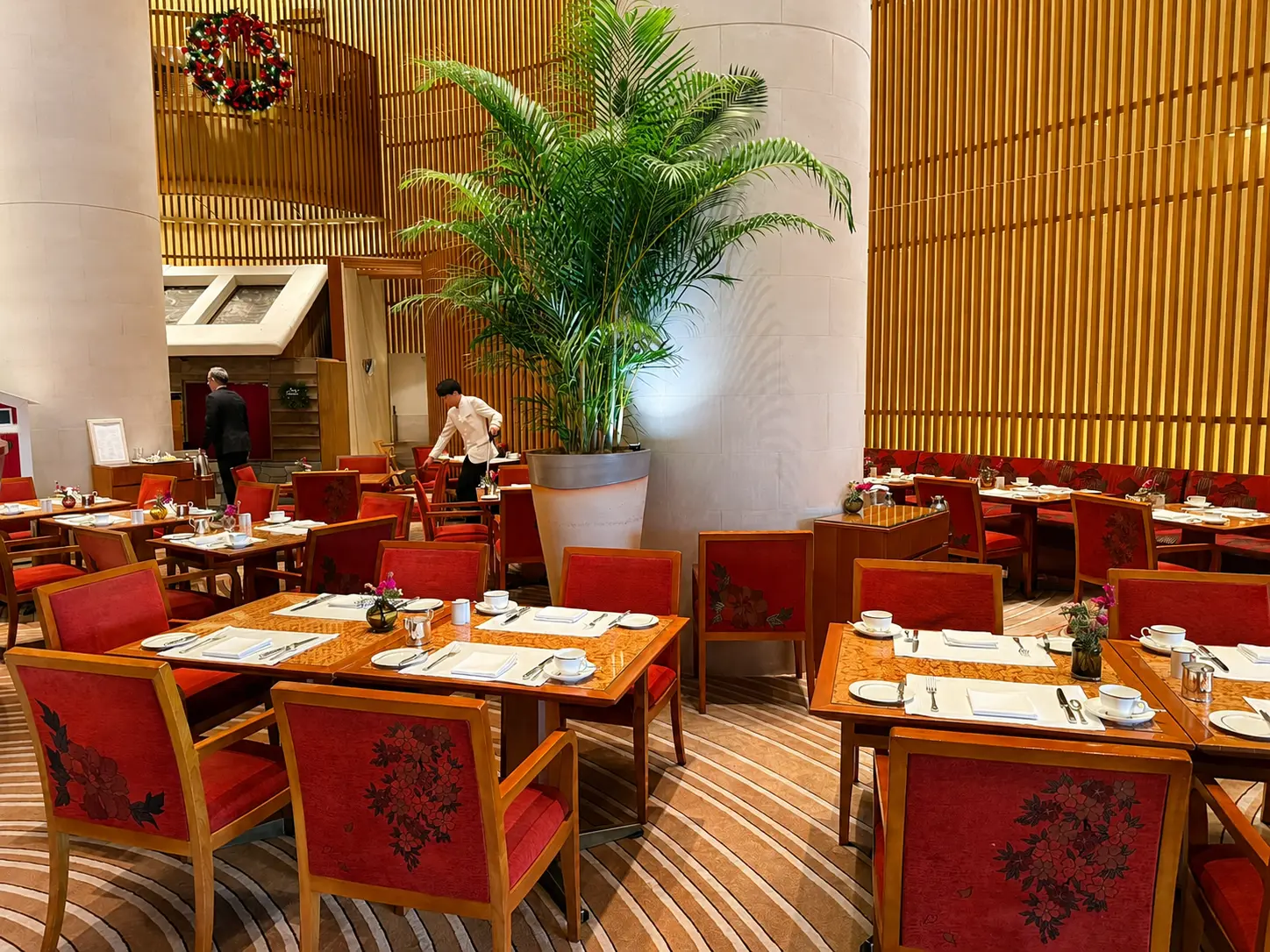
I generally much prefer an à la carte breakfast to a buffet, so The Lobby was where I had breakfast each morning. Breakfast for two was included as part of our Peninsula PenClub benefits, and there was a full à la carte menu rather than being forced into the buffet upstairs.
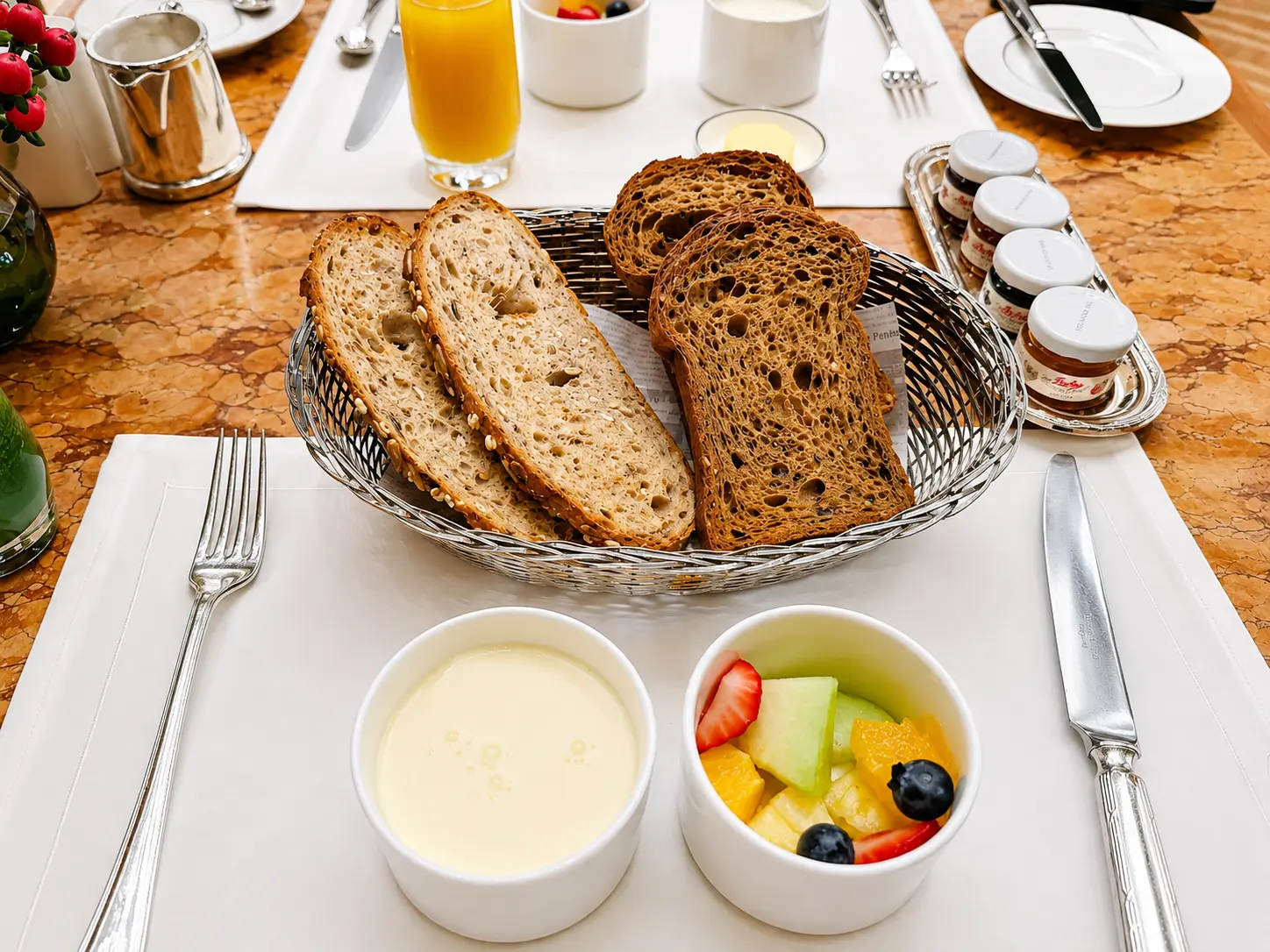
I went for the eggs Benedict with thick-cut bacon, along with the breads and fruit that came with breakfast. It was very good and much more my speed than wandering around a buffet first thing in the morning.
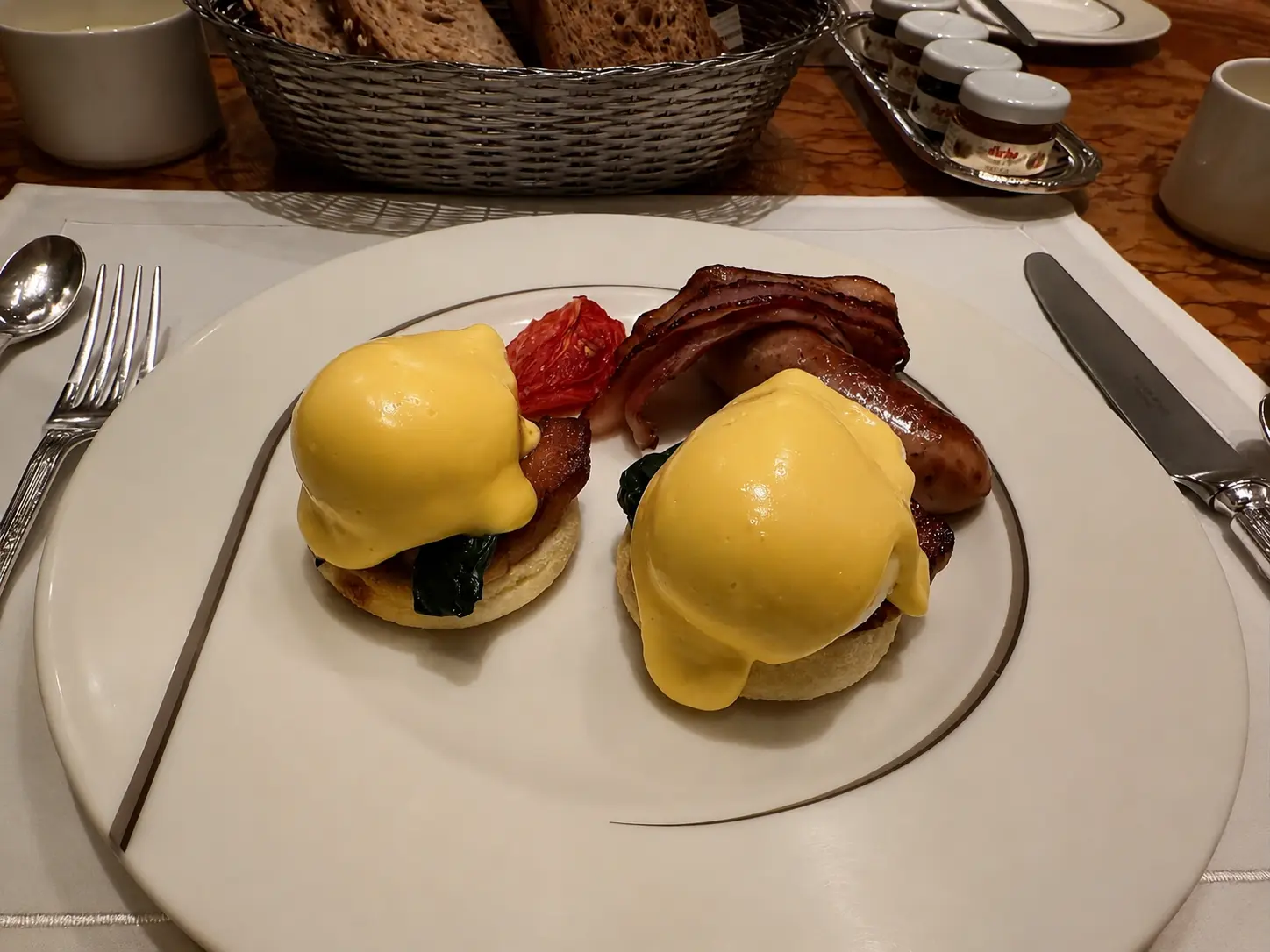
Interestingly, The Lobby was never especially busy at breakfast. I think most guests headed upstairs to Peter for the larger buffet, so if you prefer a quieter breakfast and ordering from a menu, The Lobby is a very good option.
Come afternoon, it is a completely different story. The Lobby becomes afternoon tea central and was packed most days. Afternoon tea seems particularly popular with Japanese guests, but it is also a big meeting point for visitors to Tokyo, so there is a constant flow of people coming through. It is not a quiet little lounge hidden away from the hotel. It is right in the middle of everything, and I quite liked that.
Peter
Peter is on the 24th floor and is the hotel's main modern French restaurant. It is also where the larger breakfast buffet is served, which seemed to be where most guests headed in the morning, this is where the breakfast buffet is and this is also including as Peninsula PenClub benefit.
The restaurant has a much more contemporary look than the rest of The Peninsula, with floor-to-ceiling windows and some of the best views in the hotel. From up here you look across the Imperial Palace, Hibiya Park and the Tokyo skyline, so if you can get a table by the windows, that is definitely where I would want to sit.
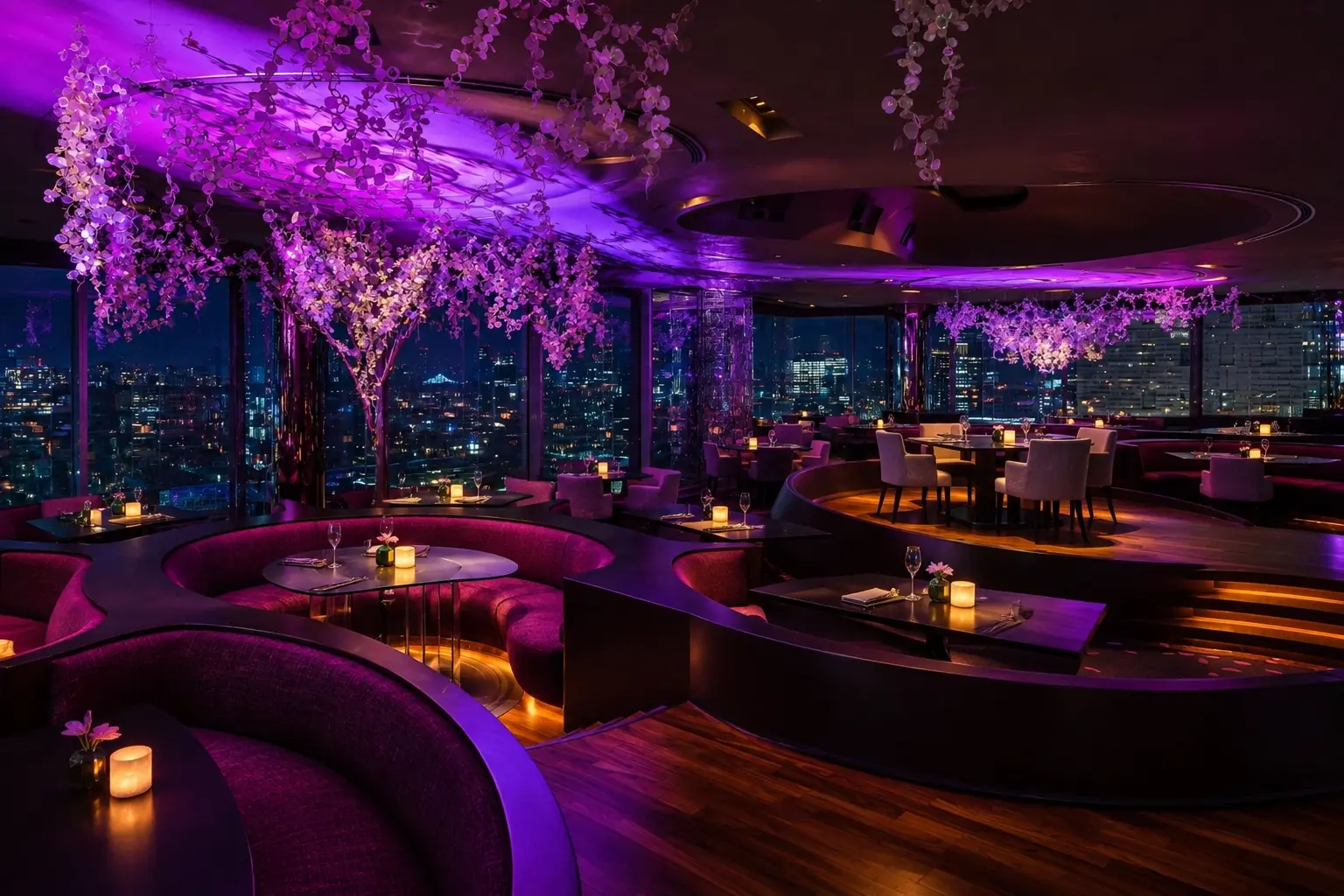
The food is modern French, but there is a clear Japanese influence running through it. The kitchen uses French techniques with Japanese produce, including things like Hokkaido scallops, seasonal vegetables, seafood and premium meats. Depending on the menu, you can expect dishes built around fish, shellfish, beef and seasonal Japanese ingredients rather than old-school heavy French cooking.
There are lunch, dinner and à la carte menus, as well as desserts and a fairly serious wine and spirits list. The hotel also runs a Sunday brunch here on selected dates, which comes with live music and drinks packages.
We didn't have dinner at Peter during this stay, mainly because we only had two nights and there were too many other places I wanted to eat around Ginza. But if you want one evening where you stay in the hotel, have a good dinner with a view and then move next door for drinks at Peter: The Bar, it is an easy option.
Peter: The Bar
Peter: The Bar is a different story because I love this place and visit almost every time we are in Tokyo, whether we are staying at The Peninsula or not.
The view from inside the bar is partly obstructed by neighboring buildings, so I wouldn't come here just for some huge uninterrupted skyline. The reason I keep coming back is the bar itself.
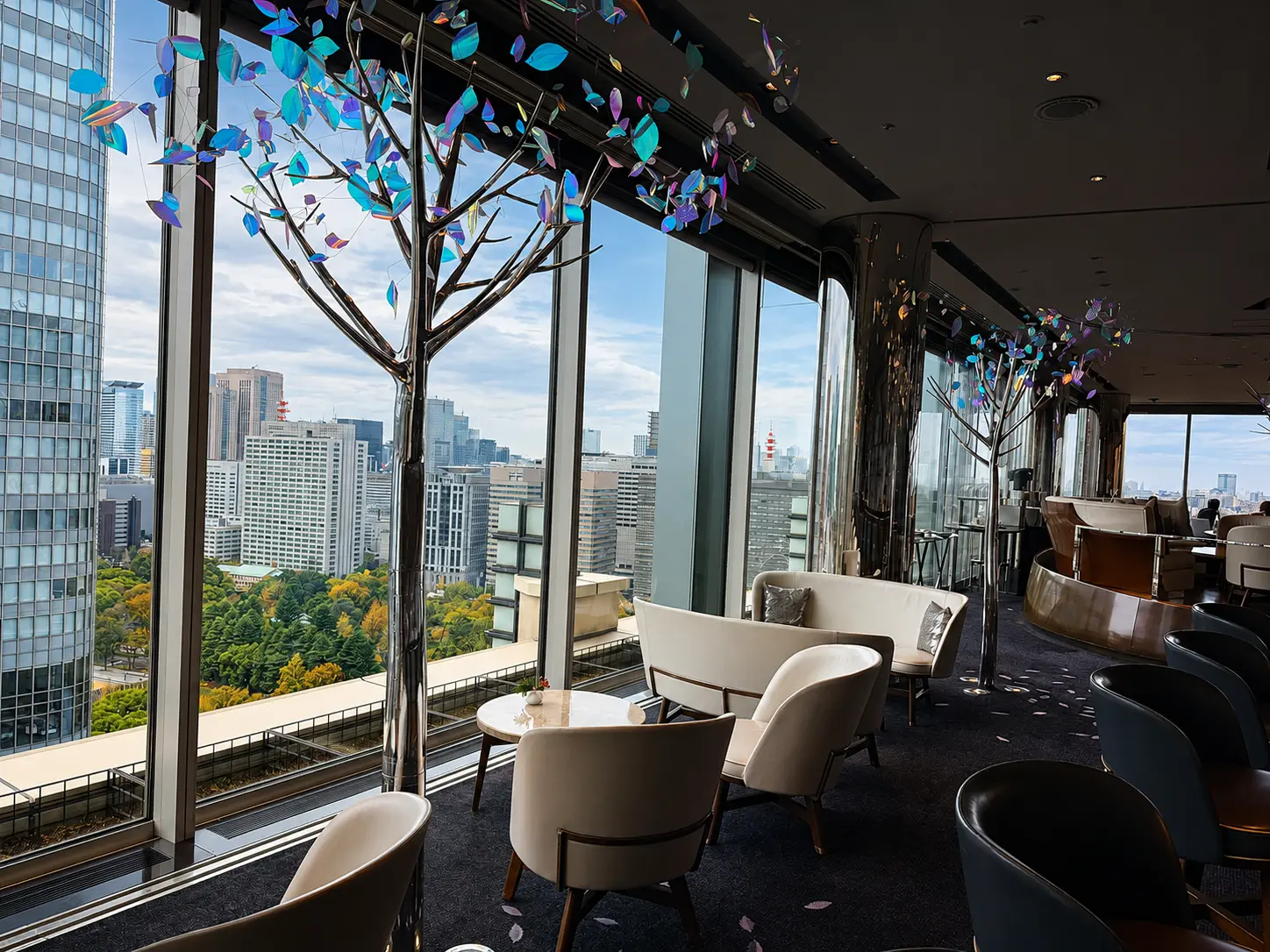
It looks completely different from the rest of the hotel. There are these huge chrome tree sculptures covered in iridescent leaves, lots of curved seating, purple lighting and a slightly futuristic feel. It could easily have gone horribly wrong, but somehow it doesn't.
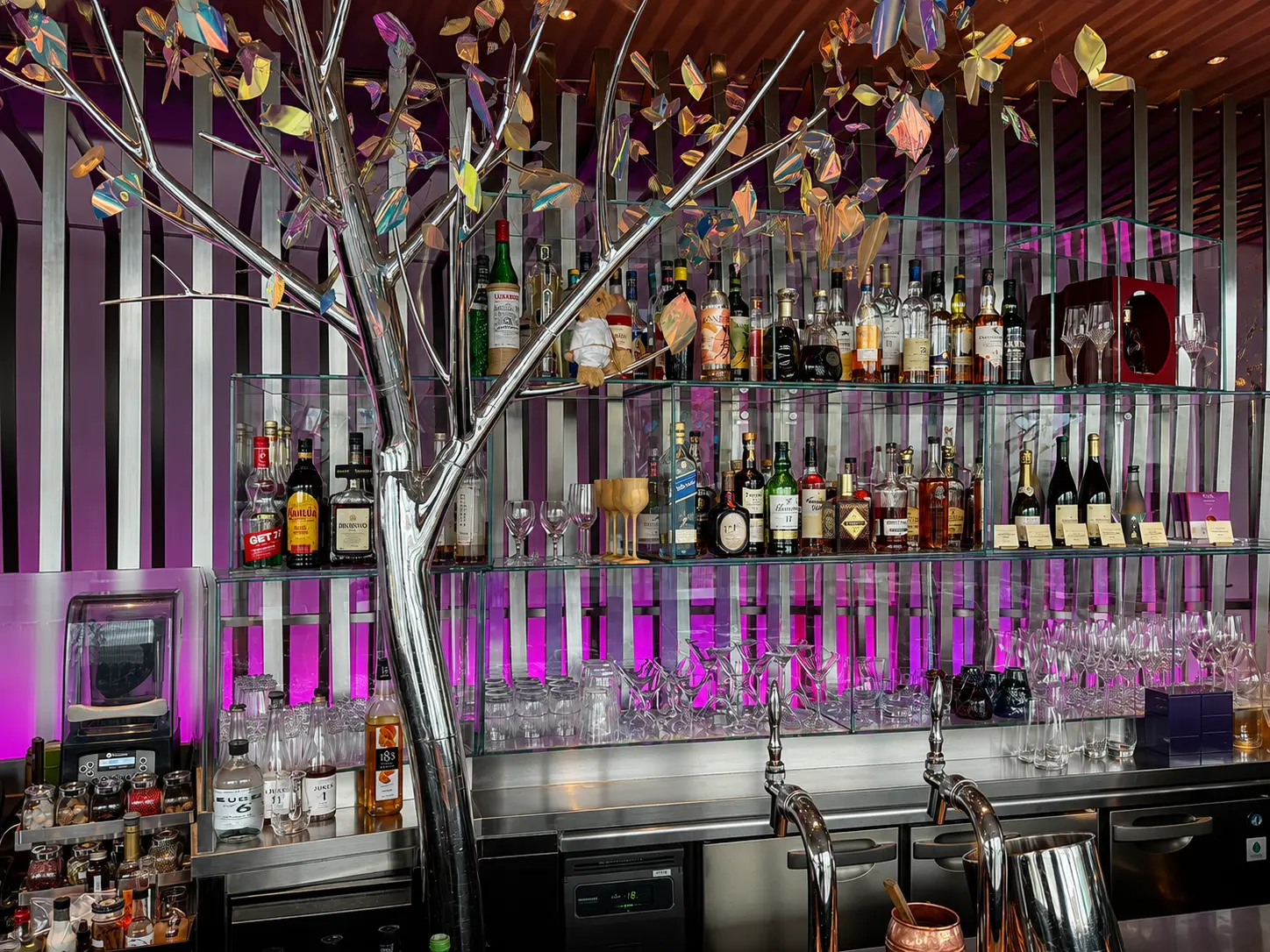
During the day you get plenty of natural light through the windows, while at night the whole place changes as the lighting comes up and Tokyo starts glowing outside.
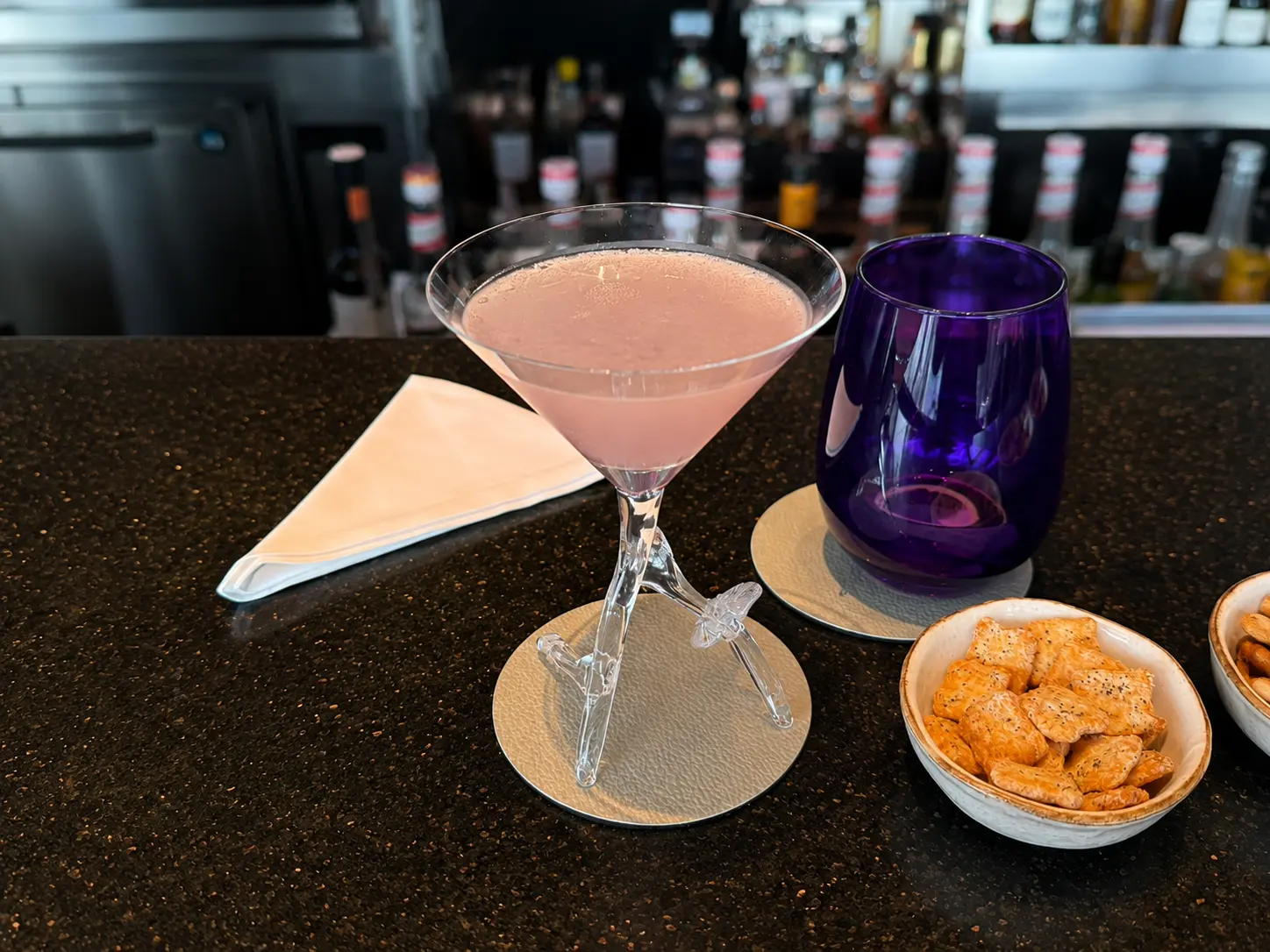
For me, this has become one of those places I associate with being back in Tokyo. Even if we are staying somewhere else, we normally end up here for a drink at some point.
Hei Fung Terrace
Hei Fung Terrace is the hotel's Cantonese restaurant on the second floor and feels almost like a separate restaurant rather than something sitting inside a Tokyo hotel.
The design is inspired by the classical gardens of Suzhou, with dark timber, Chinese lanterns, blue-and-white porcelain and a much warmer, more traditional feel than Peter upstairs.
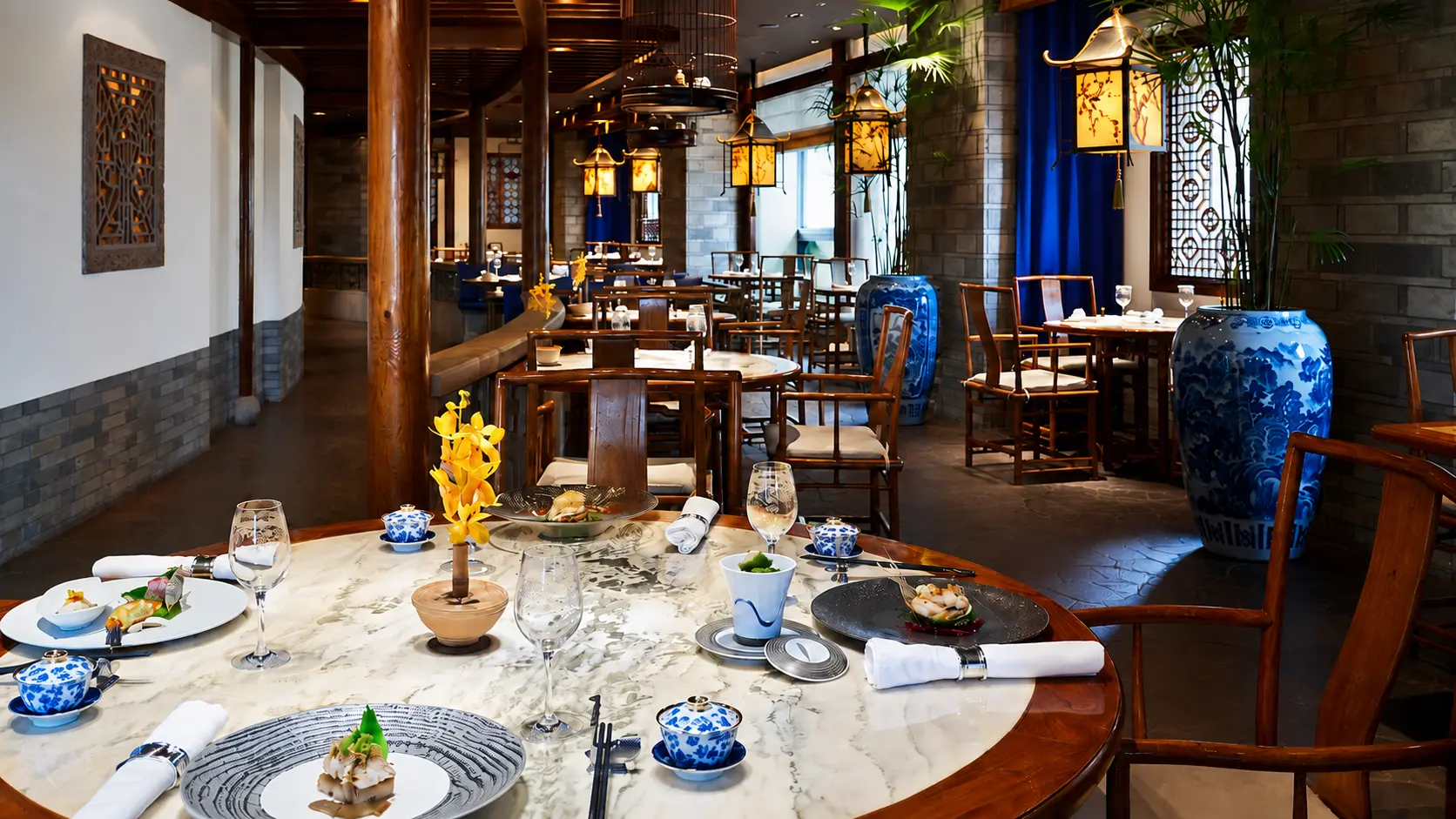
The menu is Cantonese, with dim sum, seafood, meat dishes and larger plates designed for sharing. There are also private dining rooms, some with views toward the Imperial Palace Gardens, and even a chef's table inside the kitchen. The restaurant also serves its own XO chilli sauce based on the recipe from Spring Moon at The Peninsula Hong Kong.
We didn't eat here during this stay, but if I had another evening at the hotel this would probably be the restaurant I would try next.
Japanese Dining
The Peninsula also has a surprisingly good range of Japanese dining inside the hotel.
There is Zuicho for a more formal multi-course Japanese experience, plus Ten-ichi for tempura. Between those and the other Japanese options, you could stay in the hotel and still have a very Japanese dinner without simply defaulting to room service or Western food.
We didn't eat at either during this trip, partly because we were only there for two nights and partly because you are in Ginza, where the choice outside the hotel is almost overwhelming.
The Peninsula Boutique and Bakery
One part of the hotel I really liked was the bakery downstairs.
You can see the pastry team working behind the glass making breads, cakes, pastries and chocolates, and it smells as good as it looks.
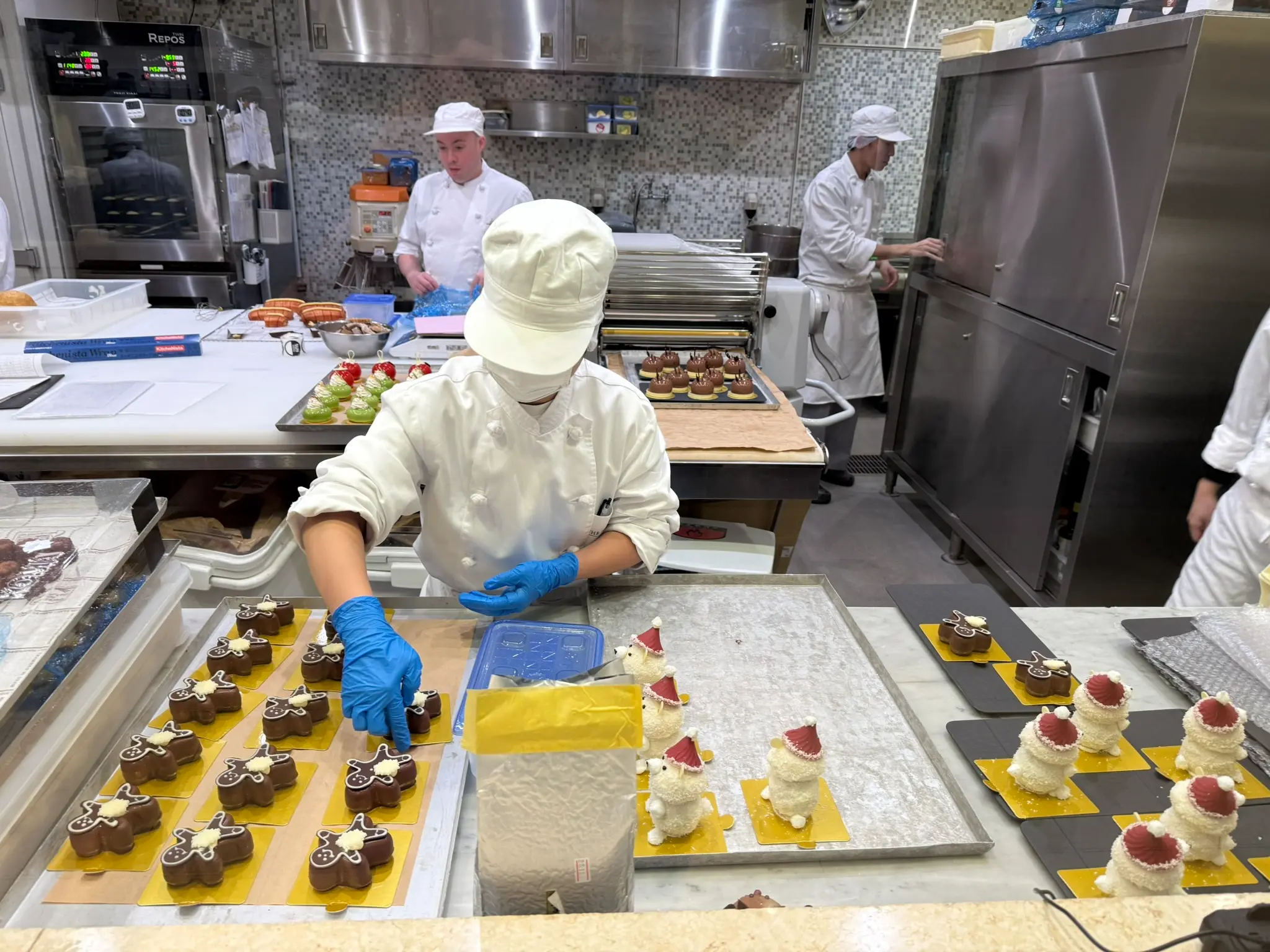
This is also where some of the in-room amenities are made, including the Peninsula PenClub welcome amenity we received. I like seeing that side of things because you can actually watch something being made downstairs and then find it waiting in your room later.
If You Try One Thing, Make It the Mango Pudding
If you only try one sweet thing at The Peninsula Tokyo, make it the mango pudding from The Peninsula Boutique.
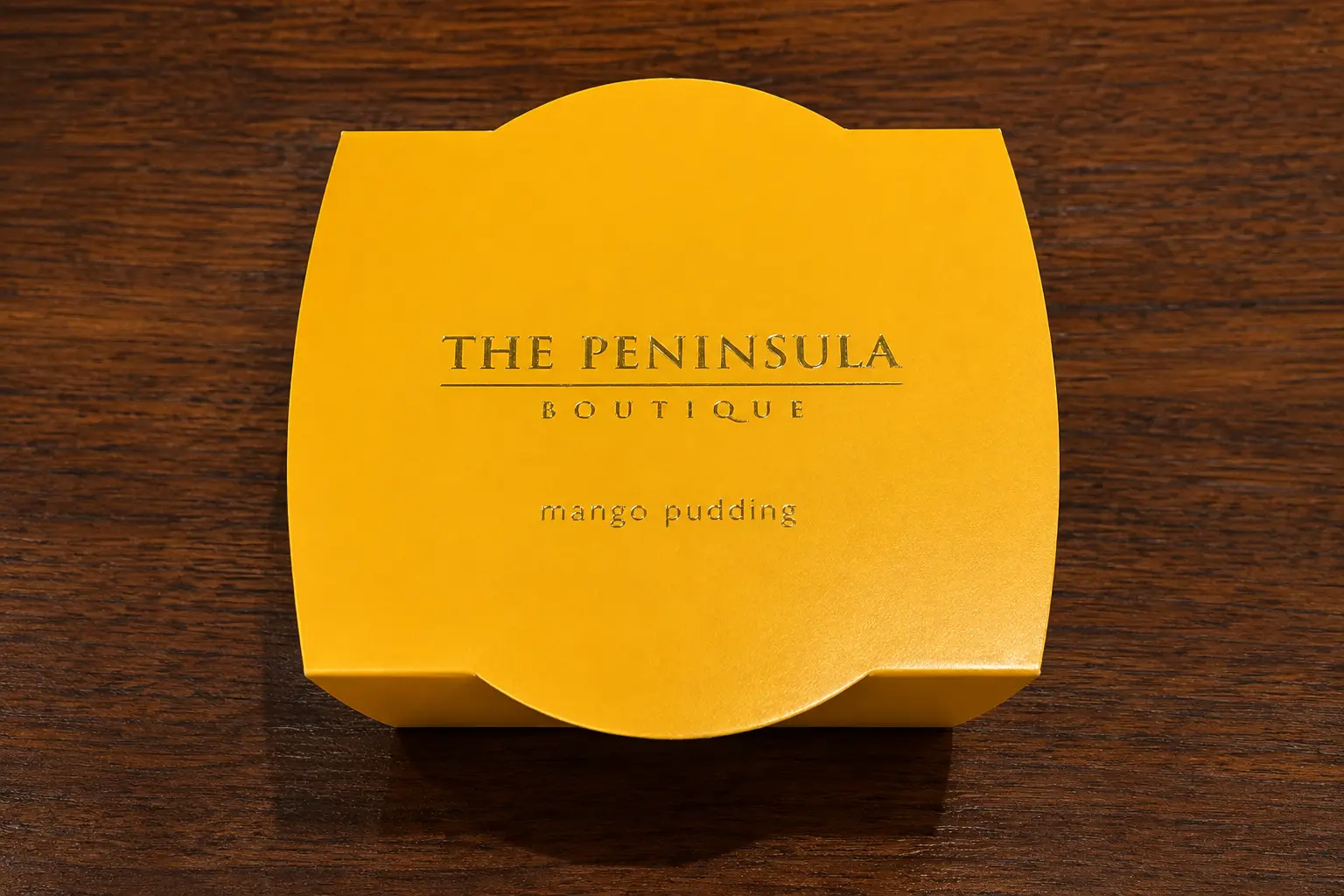
It arrives in the little yellow Peninsula box and doesn't exactly scream life-changing dessert, but it is fantastic. Out of everything sweet I tried at the hotel, this is the one I would go back for.
Dining Outside The Peninsula Tokyo
One of the best things about staying at The Peninsula is that you don't need to rely on hotel dining at all.
Ginza is outside the front door, and within a few minutes you can go from expensive omakase counters and serious fine dining to tiny hole-in-the-wall sushi restaurants, yakitori, ramen and little Japanese restaurants with barely enough room for ten people.
That contrast is part of what I love about this area. You can walk past Chanel, Dior and Hermès and a few minutes later be sitting at a tiny sushi counter eating some of the best sushi you've had on the trip.
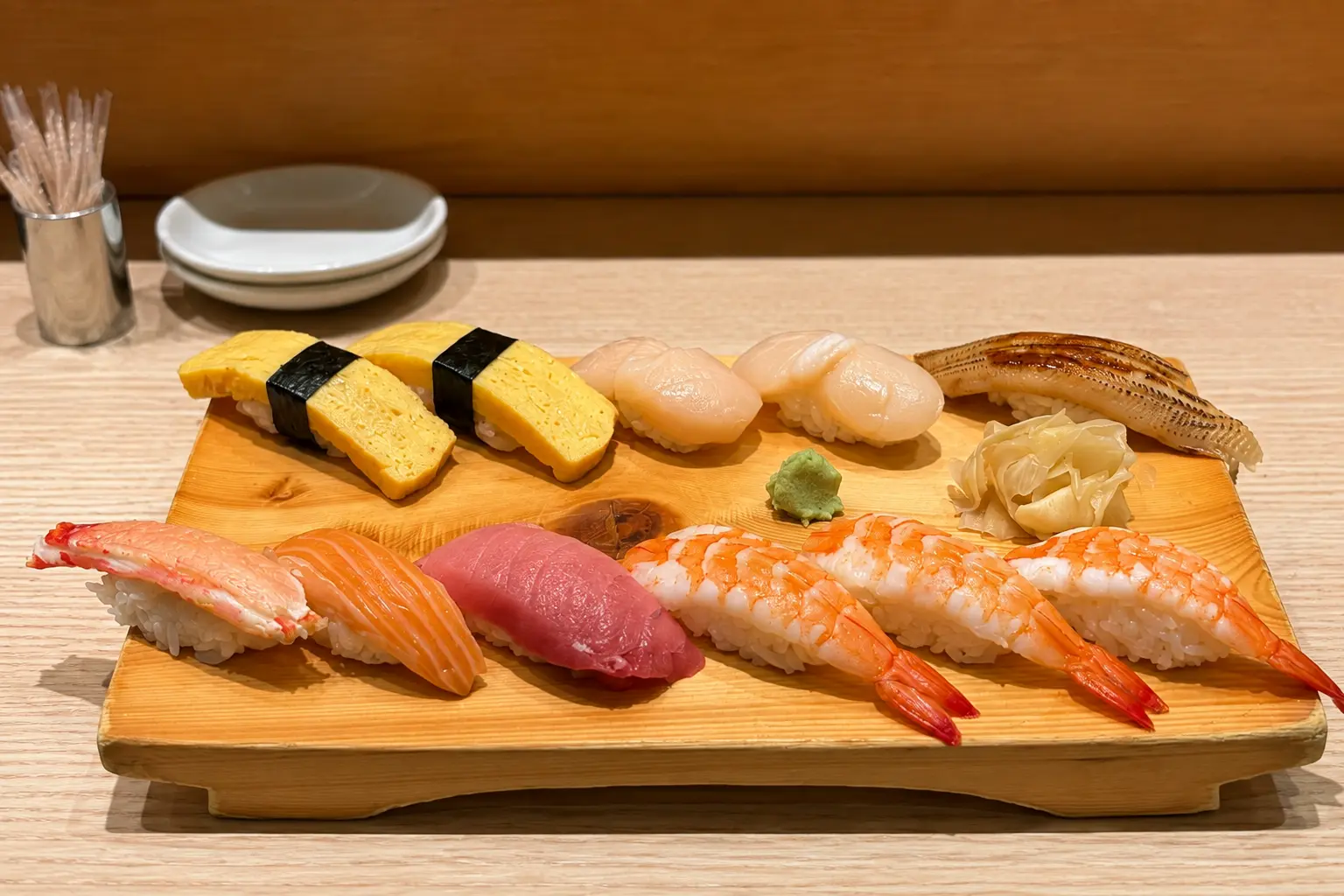
The big Ginza department stores are also worth remembering because their restaurant floors and basement food halls are excellent when you want something casual and easy.
So yes, there is more than enough food inside The Peninsula to keep you fed for a week. But I wouldn't book every dinner there. One of the reasons to stay in this part of Tokyo is having so much food right outside the hotel, and I would definitely leave a few meals completely unplanned.
The Spa, Pool and Fitness Center
The Peninsula Tokyo has a much more substantial wellness setup than you might expect from a city hotel, and this was another part of the hotel I wanted to spend some time exploring during our stay.
The spa sits away from the main public areas of the hotel and immediately feels much quieter than the lobby downstairs. There is a reception and relaxation area before you head through to the changing rooms and treatment facilities.
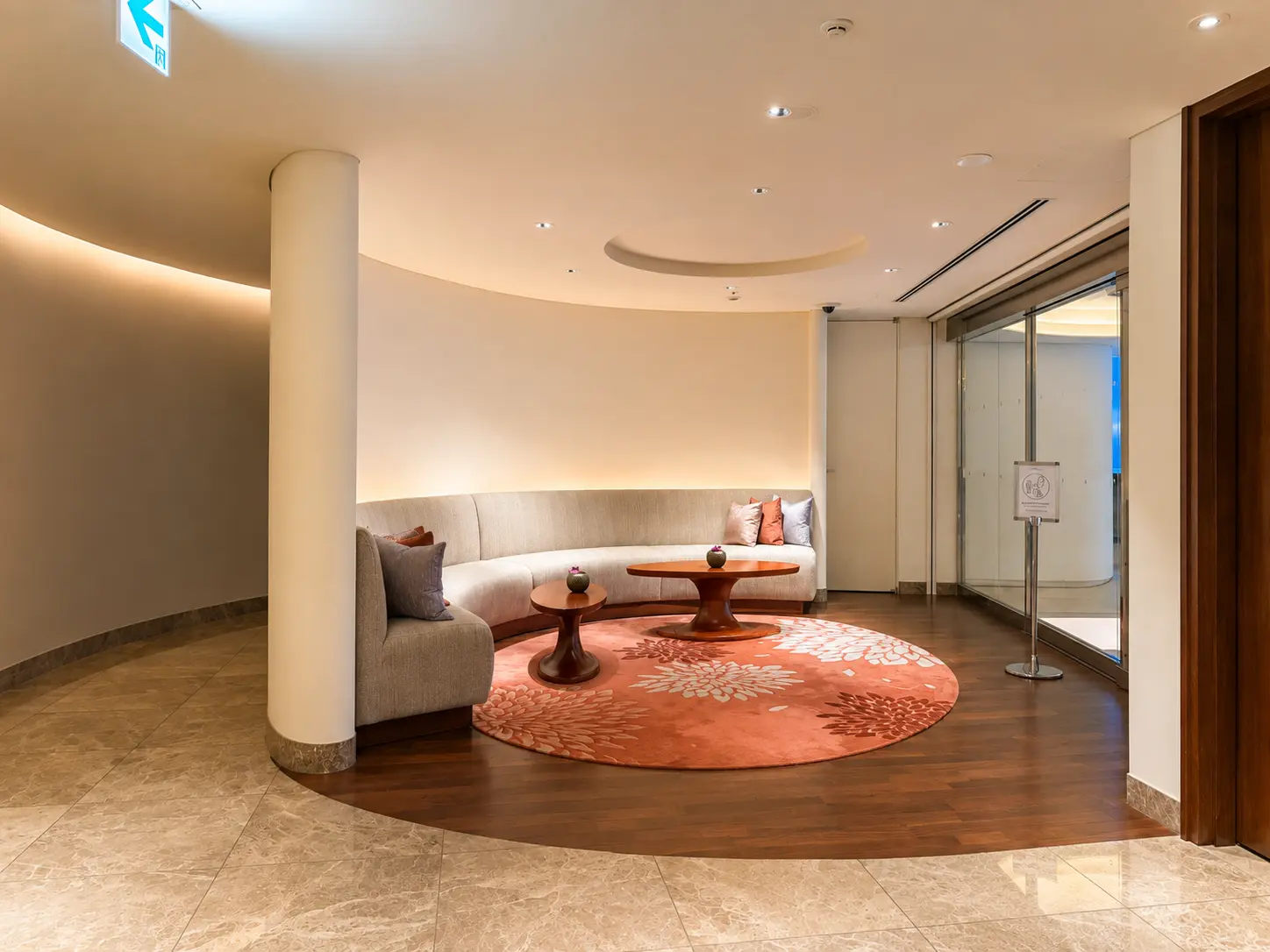
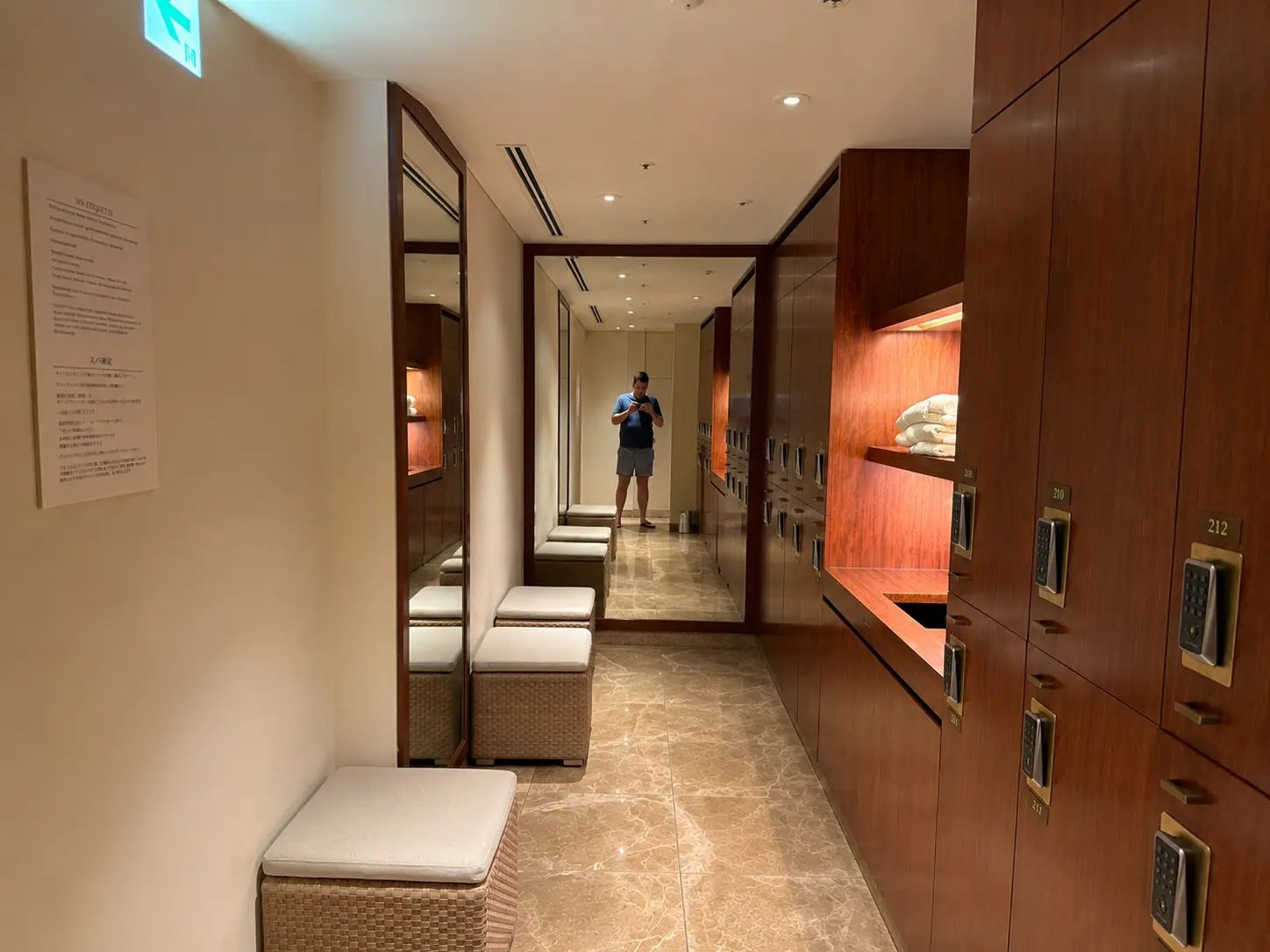
The changing rooms are large and very well equipped, with wood lockers, benches, plenty of towels and enough room to get changed without everyone being on top of each other.
There are also full vanity areas with double sinks, large mirrors, hair dryers and a good selection of grooming products. This is particularly useful if you want to use the spa before your room is ready or after checkout.
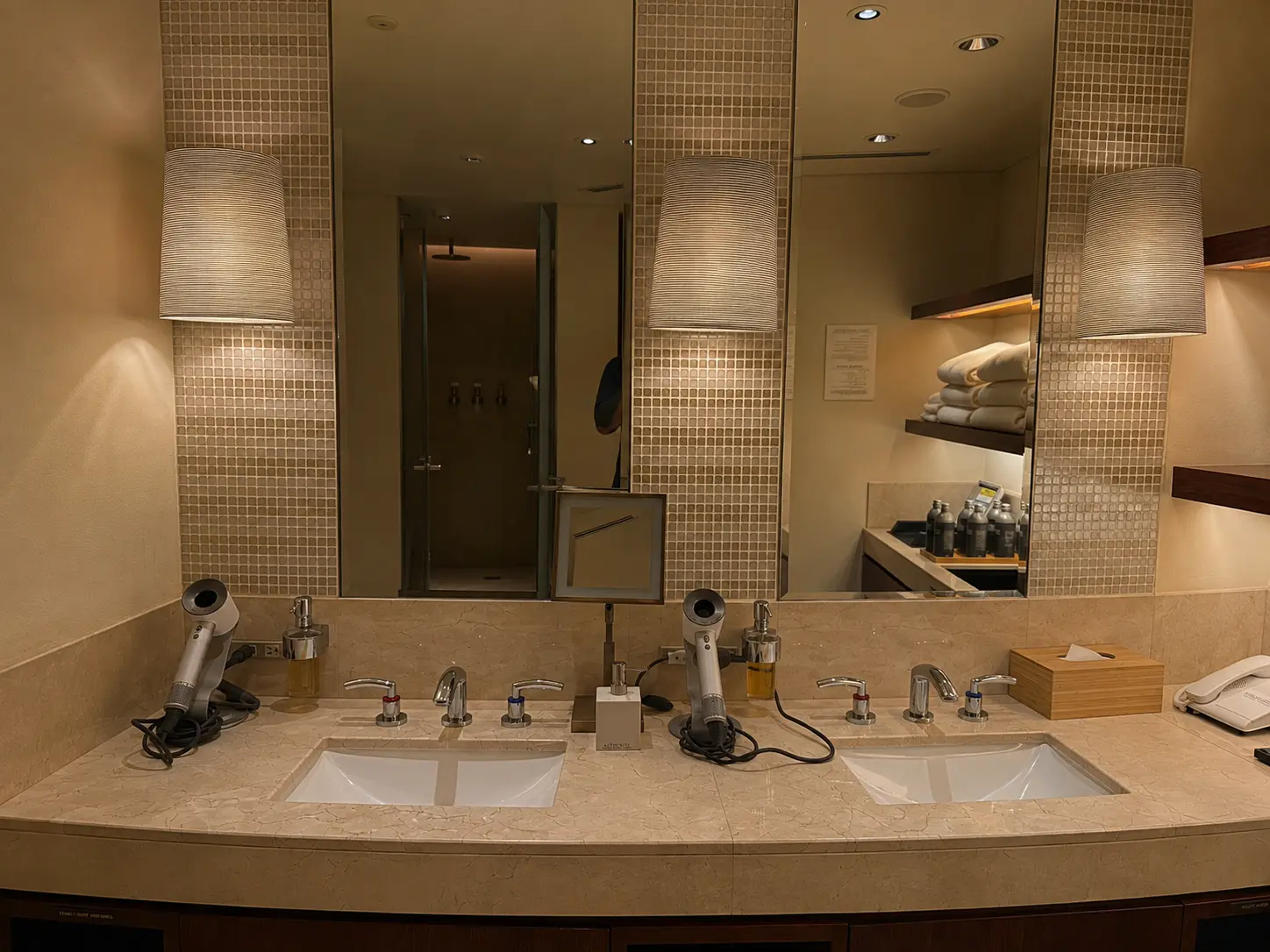
Everything was also very well stocked, with piles of fresh towels and a full selection of amenities rather than the bare minimum you sometimes find in hotel changing rooms.
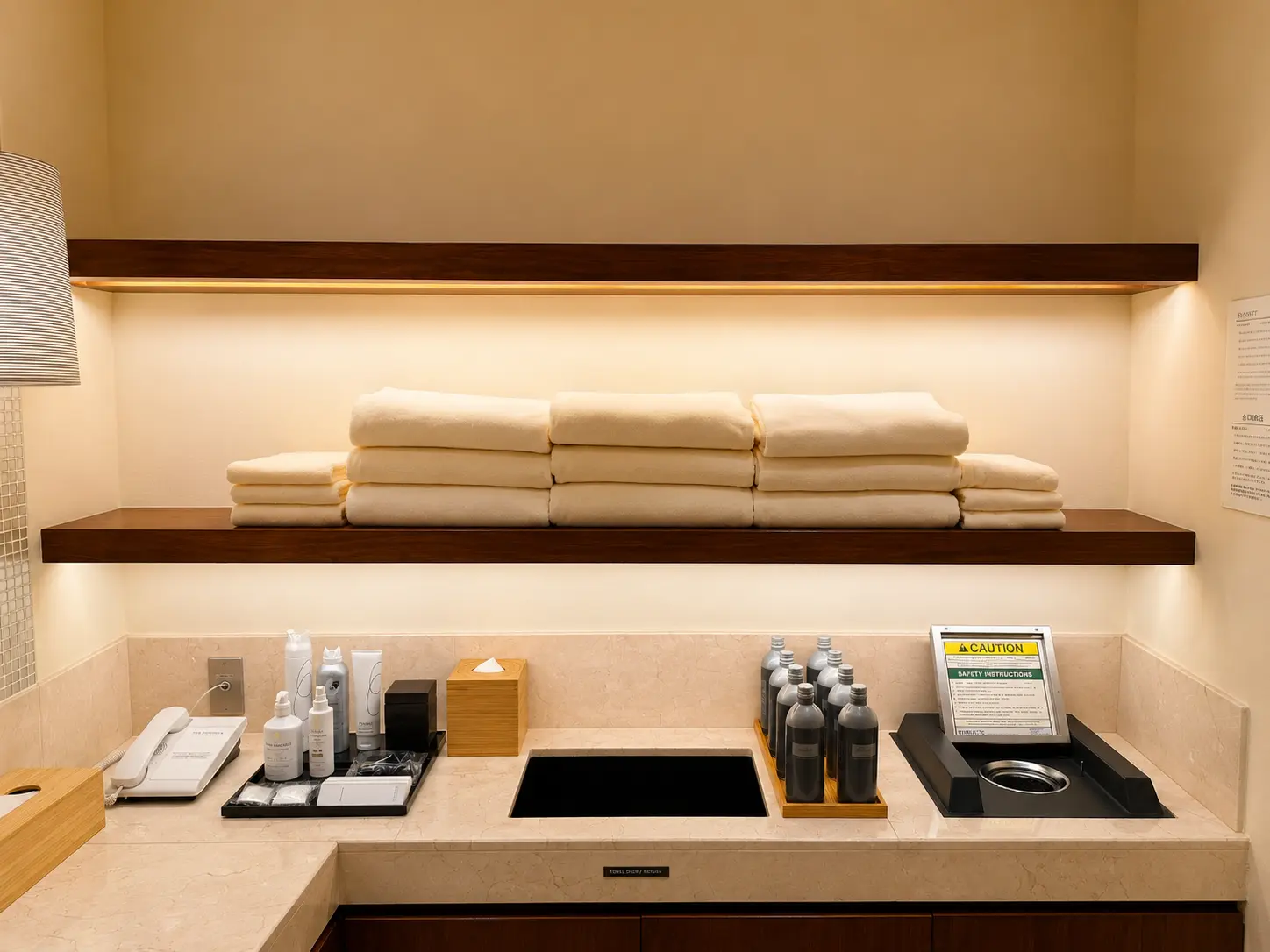
The Pool
The indoor pool is one of the better city-hotel pools in Tokyo.
It is 20 meters long, so you can actually swim laps rather than just have a quick dip, and the pool room itself is large, with loungers around the sides and plenty of natural light coming through the windows.
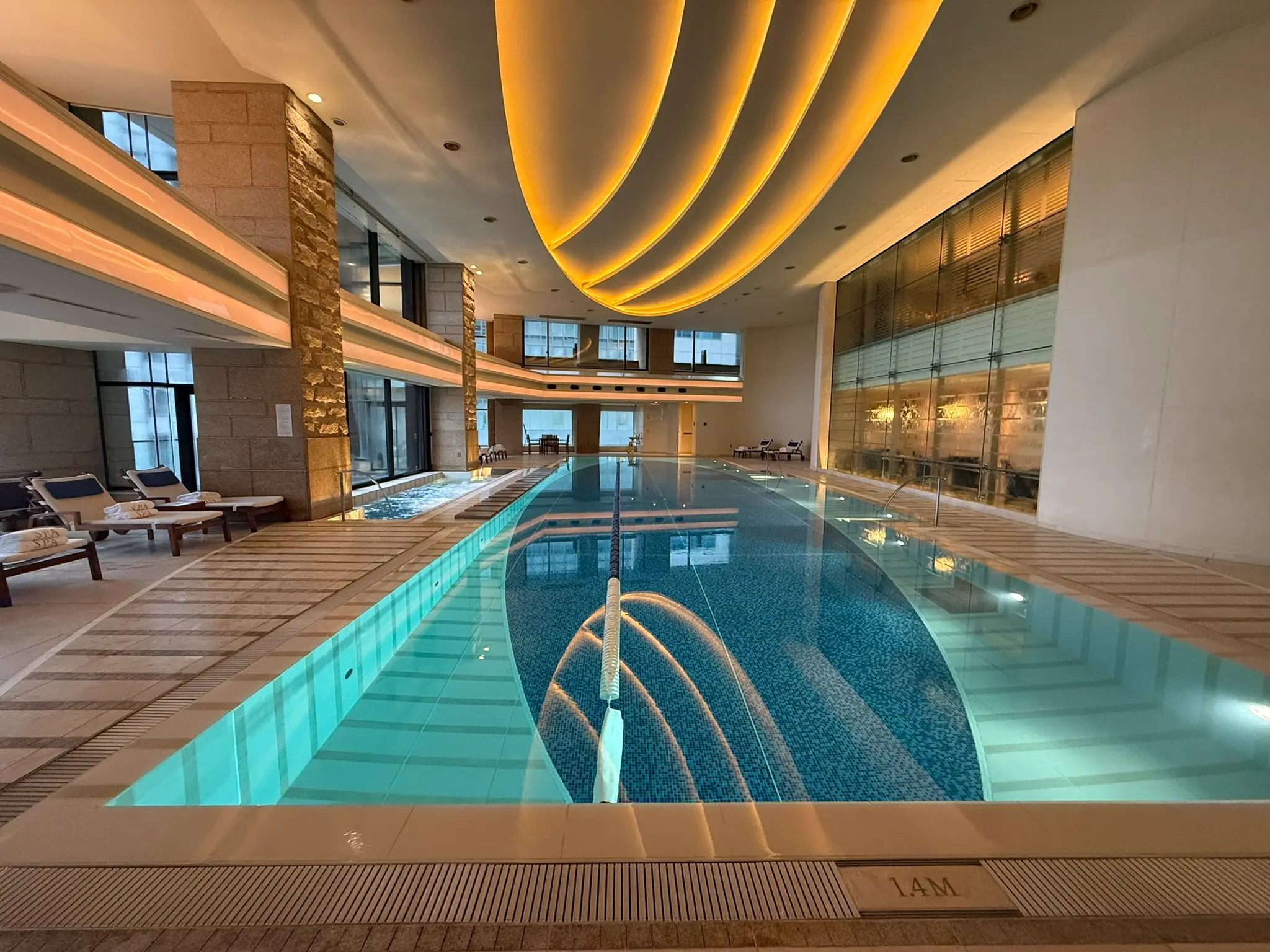
The ceiling is probably the first thing you notice, with the large curved illuminated panels running above the pool. It gives the room a much more dramatic look than I expected, particularly when you see the reflections across the water.
There is also a separate jacuzzi and hydrotherapy area running alongside the main pool, which is a nice place to sit after a swim or after using the spa facilities.
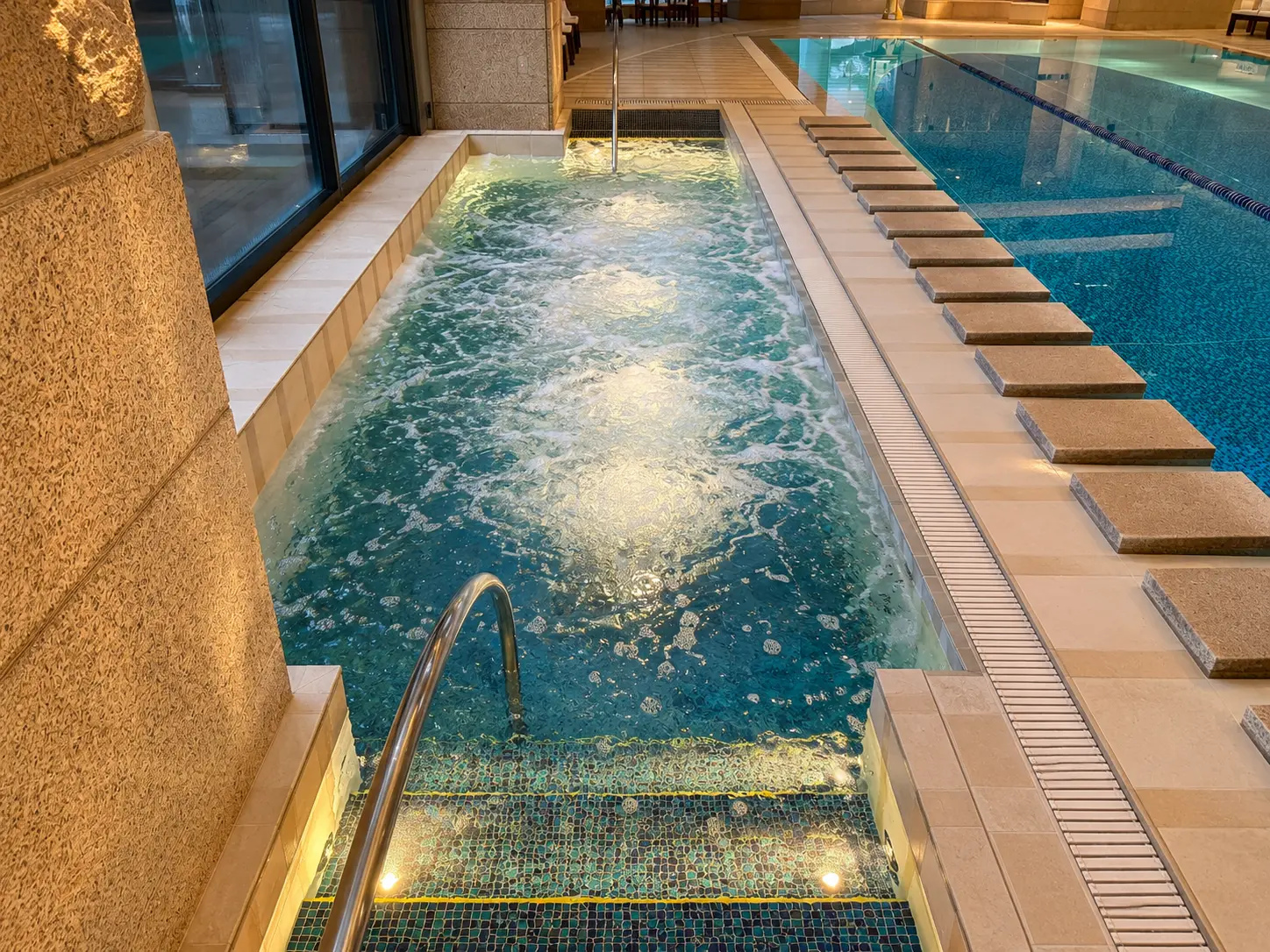
I liked that this is clearly a pool designed to be used rather than something included because a five-star hotel is expected to have one. You have a good-sized lap pool, the jacuzzi, loungers and enough space around everything that it doesn't feel cramped.
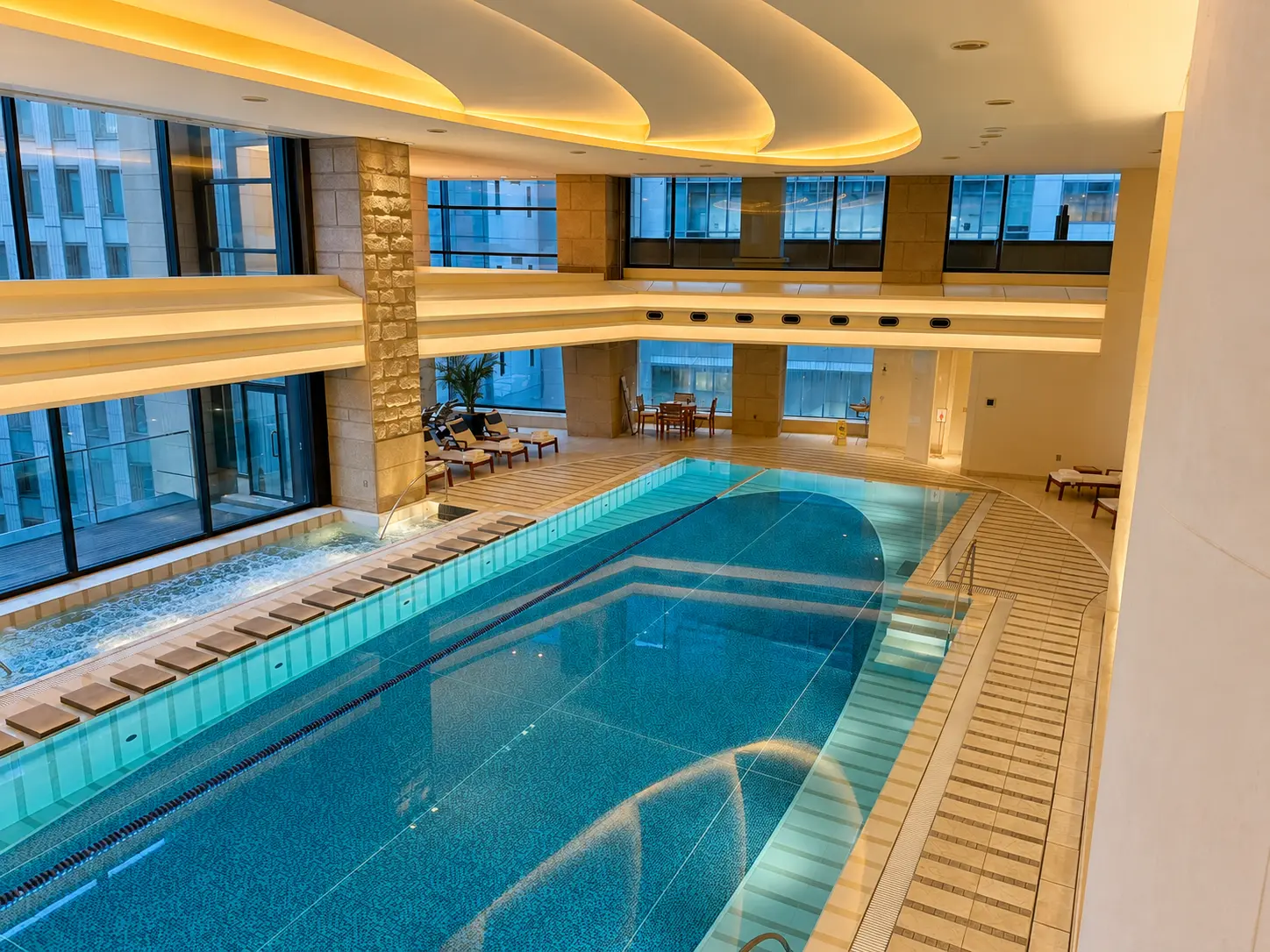
For a hotel right in the middle of Tokyo, it is a very good setup and another area where The Peninsula holds up extremely well against many of the newer luxury hotels in the city.
Book The Peninsula Tokyo With PenClub Benefits
If you’re thinking about staying at The Peninsula Tokyo, Clements Travel is an authorized Peninsula PenClub travel advisor, which means we can book your stay with additional PenClub benefits while keeping the same publicly available rate.
Depending on the rate and stay, PenClub benefits can include daily breakfast for two, a US$100 hotel credit, a room upgrade, early check-in and late check-out, subject to availability and the applicable PenClub terms.
There are no booking fees from Clements Travel. You pay The Peninsula directly, just as you would if you booked the hotel yourself.
We can also help you choose the right room or suite, explain the differences between the categories and speak directly with the hotel before arrival about your preferences and stay.