Four Seasons Osaka is a sure sign that Four Seasons is taking the leisure travel market seriously and making huge strides in it. The evidence is GENSUI, an exclusive floor in the new Four Seasons Osaka with just 21 rooms and suites designed to offer a modern ryokan experience.
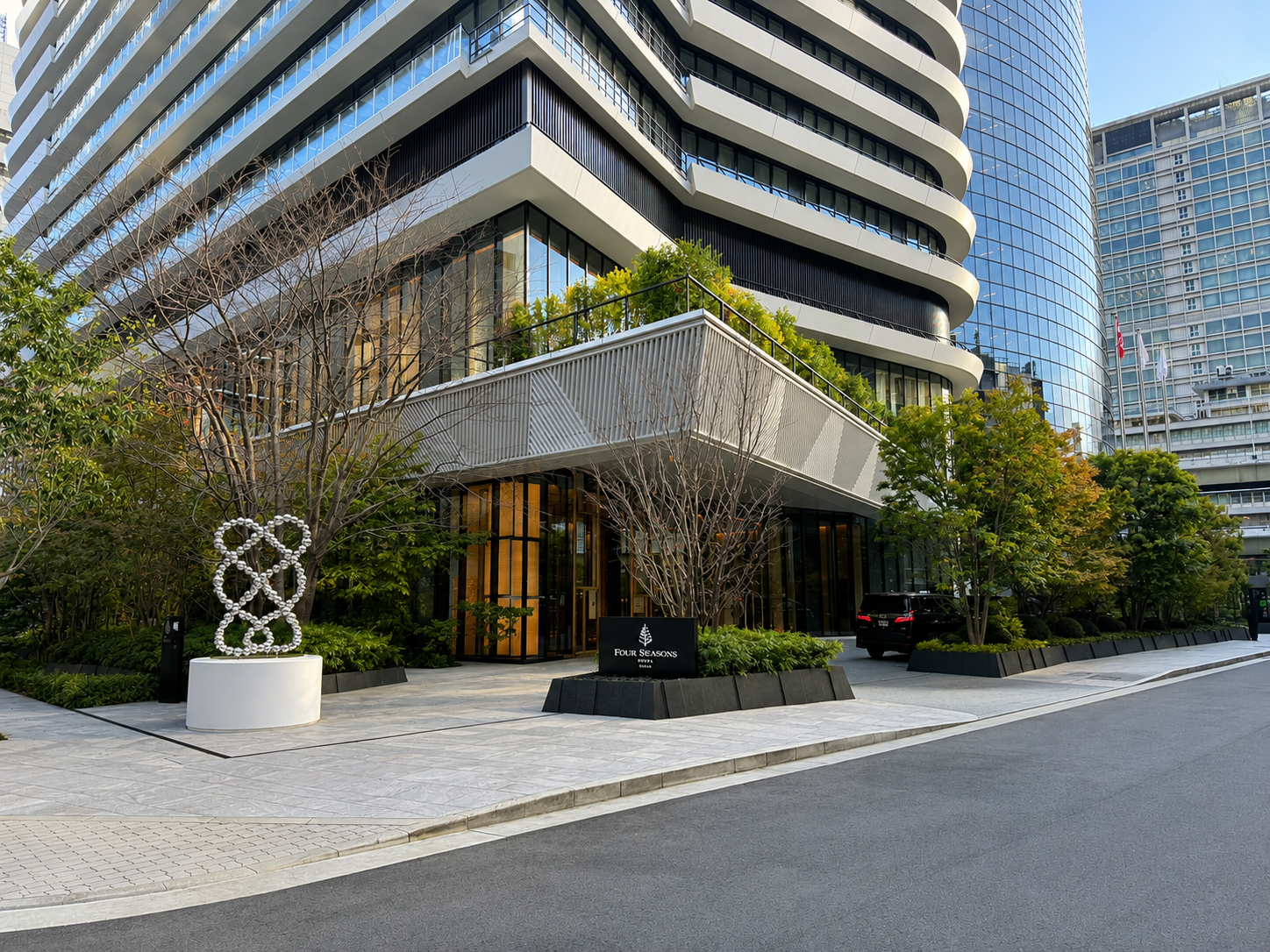
To understand why this floor excited me, you need to know about my first ryokan experience back in 2018 during a visit to Japan.
Like many of my clients, one of the first things I said that I wanted to do in Japan was to stay in a ryokan. When we stayed in ours, the bed, dining and seating were all on the floor. After our two-night stay, I had a painful back, which was not helpful in the middle of a fairly active trip around Japan.
During our December 2025 trip, we were fortunate enough to try the GENSUI Floor, and I cannot recommend it enough for people wanting a ryokan experience in Japan.
If you are researching Four Seasons Osaka GENSUI, wondering whether the Tatami Rooms are worth booking, or looking for a luxury ryokan experience in Osaka, this review covers our stay on the hotel's exclusive GENSUI Floor, including the room, breakfast, SABO Lounge, activities, service and whether I would book it again.
Arrival and Check-In at the GENSUI Floor
For research purposes, we wanted to try both a Tatami Room and a normal room at the newly opened Four Seasons Osaka.
We arrived by Uber, and the doormen saw that we had a reservation on the GENSUI Floor. We were whisked past the normal ground-floor check-in area and taken directly upstairs to the private floor, which is locked off and reserved exclusively for GENSUI guests.

Everything on the GENSUI Floor takes place in the comfort of the lounge, including check-in. We were greeted by two members of staff and presented with green tea, a Japanese sweet called matcha yokan and a hand towel.
We were spending, for us, a good amount of money to undertake the tatami experience, so we wanted to make sure we made full use of it. We were grateful that the staff took time to explain everything on offer, including the activity program and experiences such as Japanese liquor tasting in the evening.
The service was extremely personal. Throughout the stay, the staff even took photos of us enjoying the experience, including the moment we donned our kimonos at breakfast.
You could embrace as much of the Japanese culture as the GENSUI experience wanted to offer, or simply take it easy. It was a very non-regimented experience.
First Impressions of the GENSUI Floor
From the lounge, we were escorted through a dark corridor to our Tatami Premier Room.

The hallway was dark because it was part of the interpretation of a traditional ryokan. The design philosophy is the opposite of the bright, glass-filled guest-room floors above.
Guests step off the elevator and are immediately immersed in darkness, quiet and a slower pace.
We learned that the idea was to use shadow rather than bright illumination.
Tatami Premier Room Review
For our whole Japan trip through Four Seasons Otemachi, Four Seasons Kyoto, Park Hyatt Kyoto and Amanemu, the thing I was curious about the whole time and could not wait to see was the Tatami Room.
We were booked into a Tatami Premier Room, measuring between 44 and 51 square metres, or 474 to 549 square feet. It is designed as a modern ryokan.
There is quite a difference in size within the category. As a Four Seasons Preferred Partner advisor, I will always try to secure one of the larger rooms for my clients or, even better, an upgrade.
The first thing I noticed was the attention to detail throughout the room. Our host told us that the whole floor was designed by a group of four Japanese designers who specialize in ryokan design.
It was very apparent, both from seeing the room and speaking with Four Seasons staff, that they wanted to get this floor right. In my opinion, they very much did.
The room also had a smell to it, a fresh, natural smell that we were told came from the tatami flooring. Traditional tatami mats are made using woven rush grass, and the scent reminded me a little of fresh hay. It was very pleasant and added another layer to the experience.
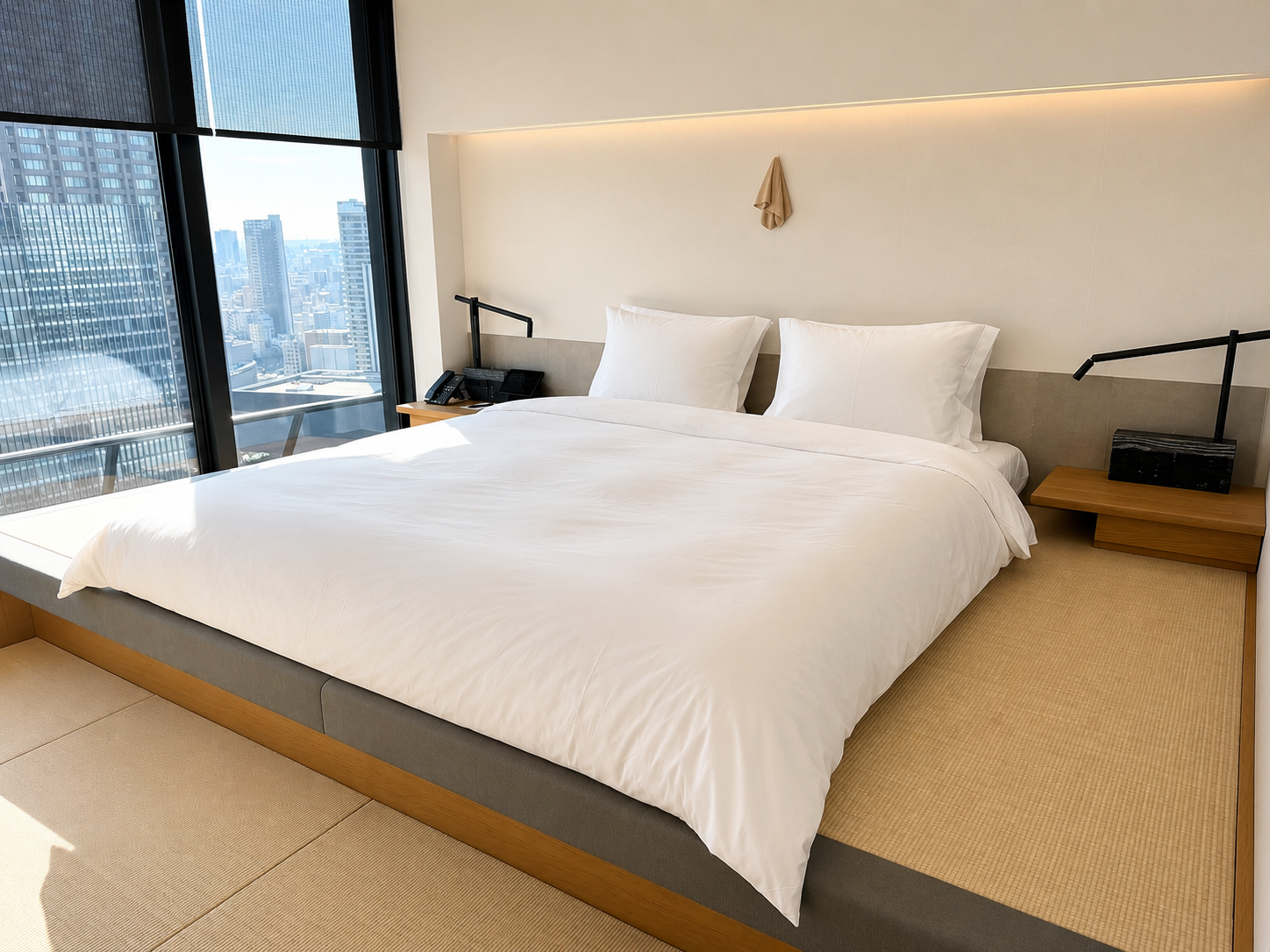
During our first ryokan experience in 2018, the thing that killed my back was the bed. My clients often report the same. It was so low and almost at ground level.
Four Seasons has addressed that concern with what they call a 'modern ryokan'. The bed is raised off the ground to around knee height, and during my stay it was very comfortable.
This is going to sound like I am talking the room up, but I can honestly say it was the best night’s sleep I had on the whole trip.
Maybe it was because we were at the end of the trip and I was simply tired, but the staff told me that the mattress is not a traditional Four Seasons mattress. All of the Tatami Rooms instead have futon mattresses made by one of the best manufacturers in Japan.
The bed still had the usual Four Seasons linens, and the same quality carried through to the towels and bathroom linens.
The room had floor-to-ceiling windows with city views over the surrounding neighborhood and nearby buildings. It was not a landmark view, but it brought in plenty of light and gave the room a clear sense of being in the middle of Osaka.
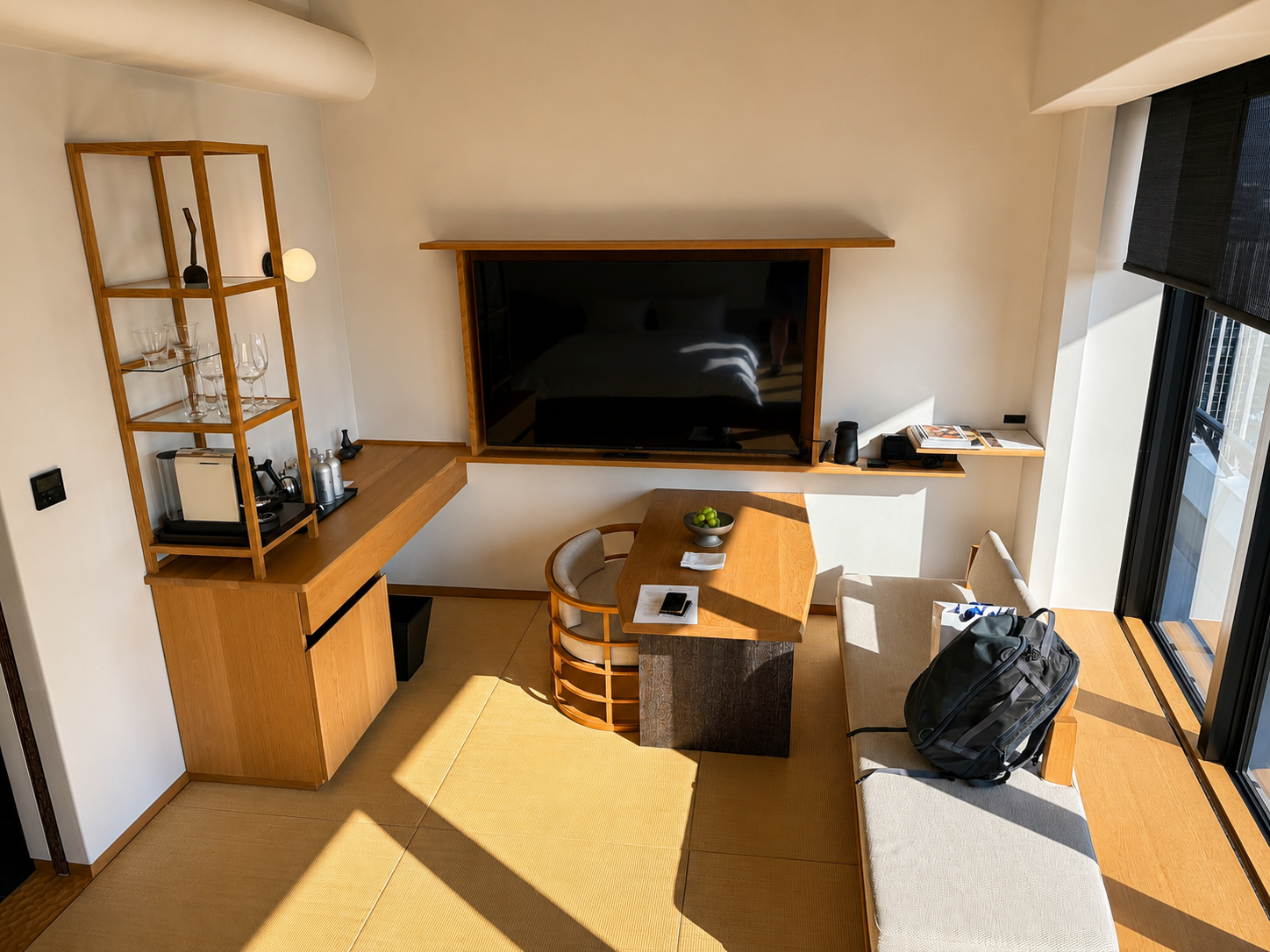
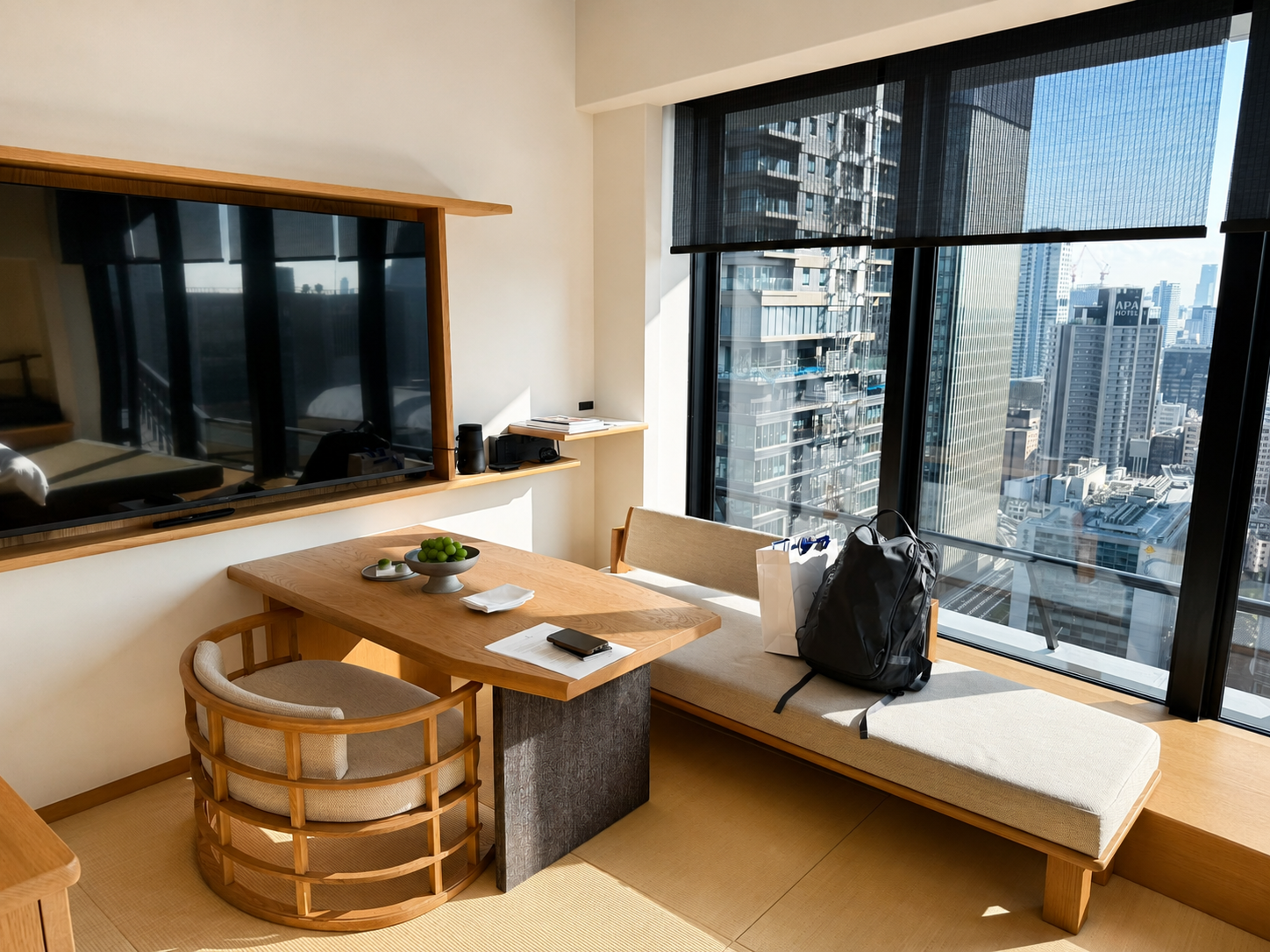

Now, as it was a modern ryokan, we still had all the Four Seasons essentials, including the FS app tablet, a television, a work desk with a lamp and light switches beside the bed. We were definitely not slumming it.


There was also a well-stocked minibar and a tea and coffee-making area, including a traditional Japanese cast-iron teapot, so everything you would expect from a Four Seasons room was still there.
Bathroom Review
At the back of the room was the bathroom. It was not as large as the bathrooms we had experienced at Four Seasons Otemachi and Four Seasons Kyoto, or the bathroom we would later have in a normal room at Four Seasons Osaka.
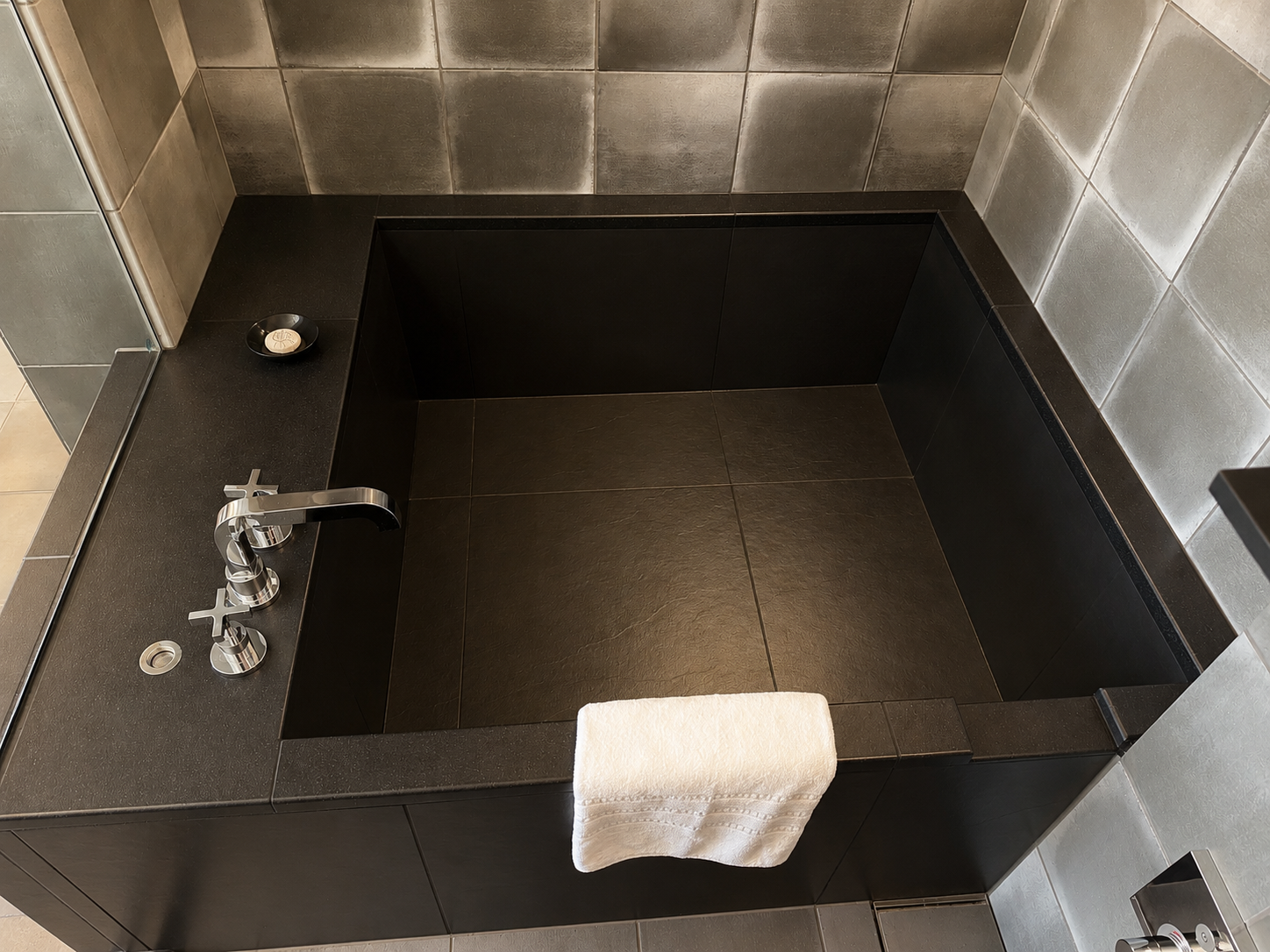
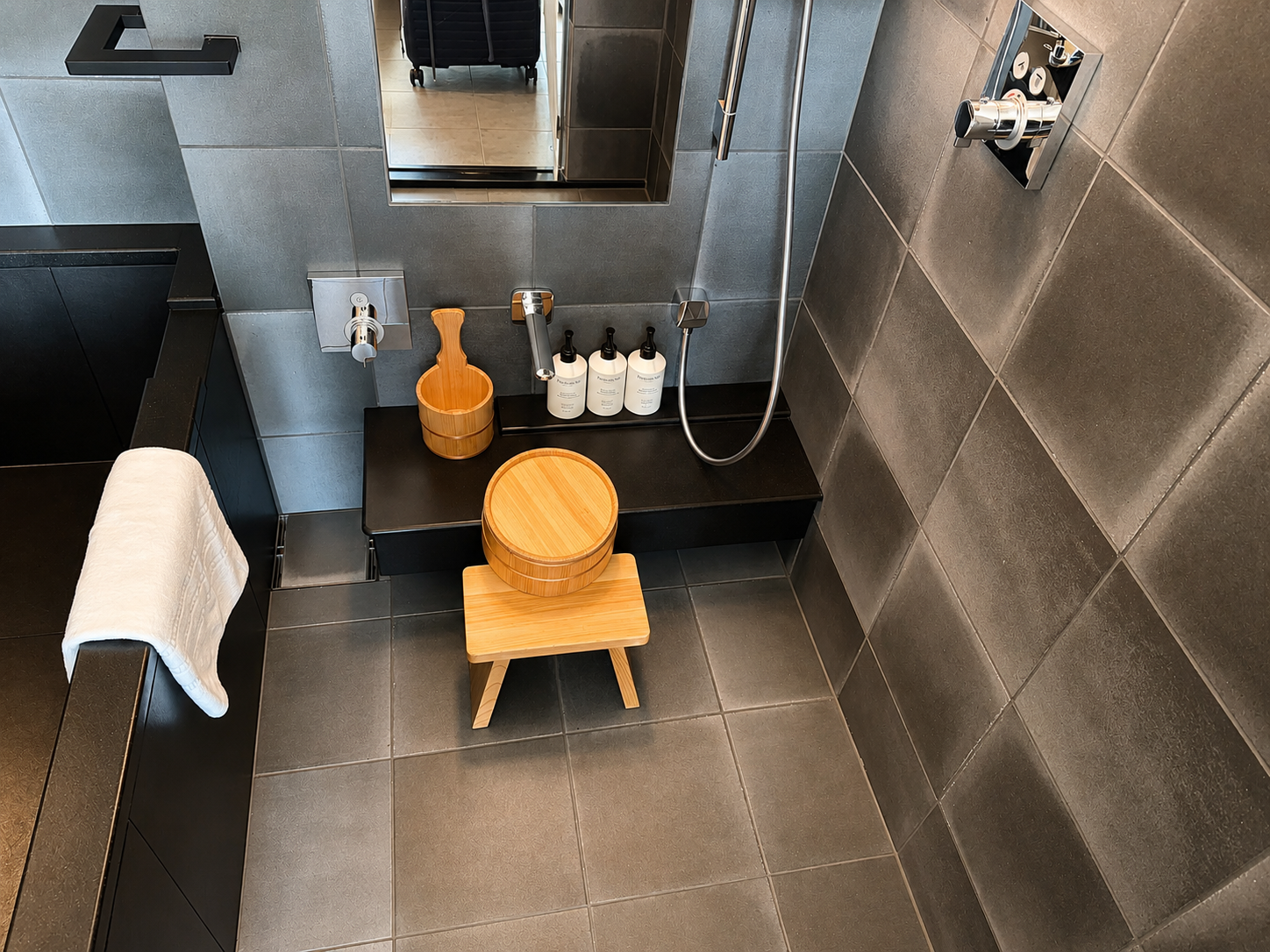

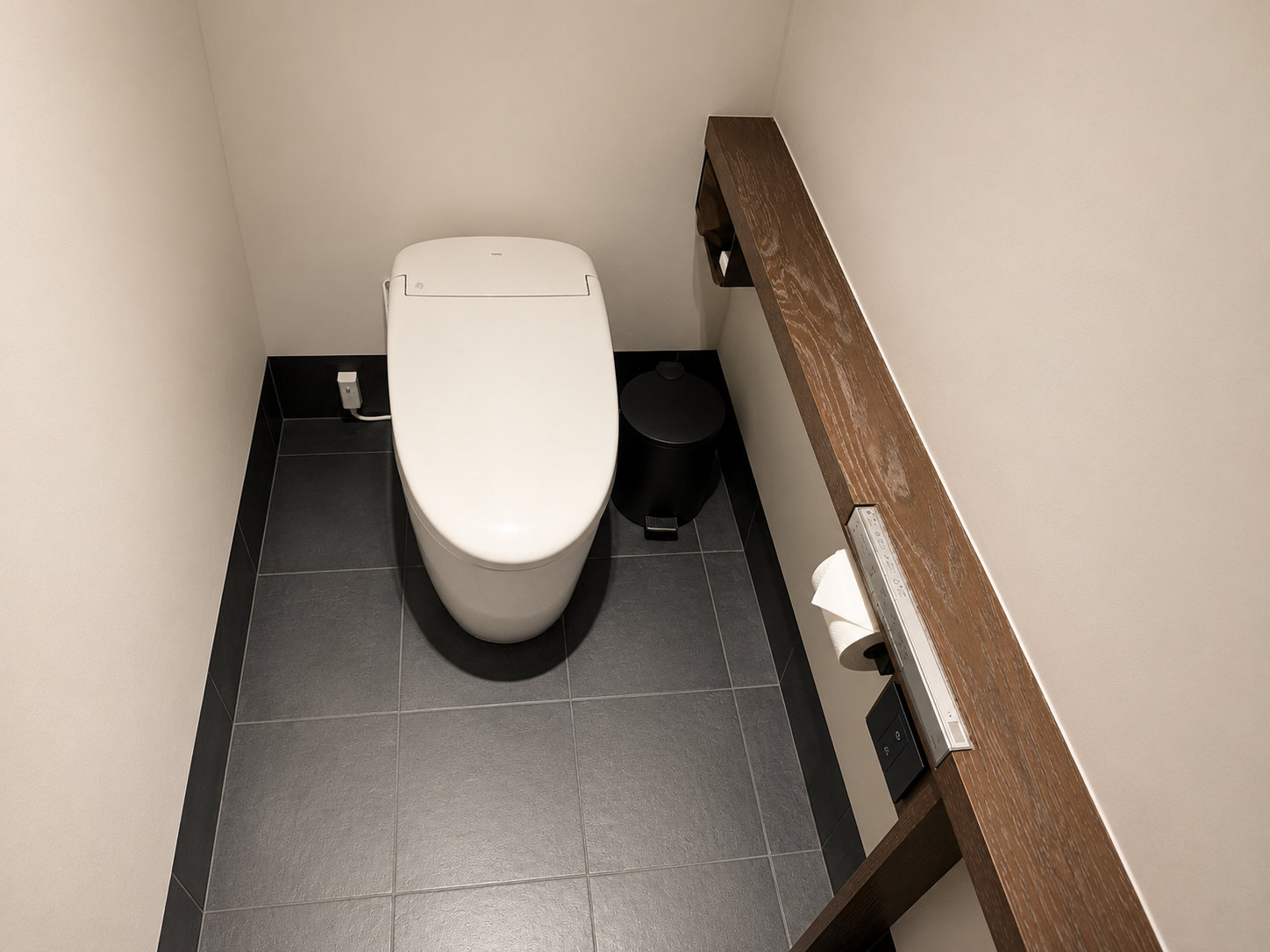
One side had a newer-generation Toto toilet. Next to this was a traditional Japanese washing stall, with a shower and an oversized onsen-shaped tub in the same area.
At the front of the bathroom was a fairly compact vanity.
Compared with the normal rooms at Four Seasons Osaka, where the bathrooms felt large, I am not quite sure why this particular room felt a bit cramped in the bathroom department. It was still finished to a high standard, but the layout did not feel as generous as the rest of the room.
SABO Lounge Review
The SABO Lounge is the main lounge area of the GENSUI Floor and is accessible to all guests staying there. Almost everything takes place here, from breakfast and Japanese activities to afternoon tea and alcohol tastings.

Like the Tatami Rooms, the lounge has floor-to-ceiling windows, although the views are better. From here, we could see more of Osaka, including the famous Gate Tower Building, which has a road passing directly through it.
There are also a number of display cases containing Japanese artifacts. Again, this showed the level of detail the hotel has gone into to make the experience feel like the real deal rather than just a themed hotel floor.
The lounge has a bar, a small dining area and another section where the dining space extends into an area designed for Japanese activities. These rotate daily and include things such as origami and matcha tea making. During our stay, we took part in the matcha tea-making experience.
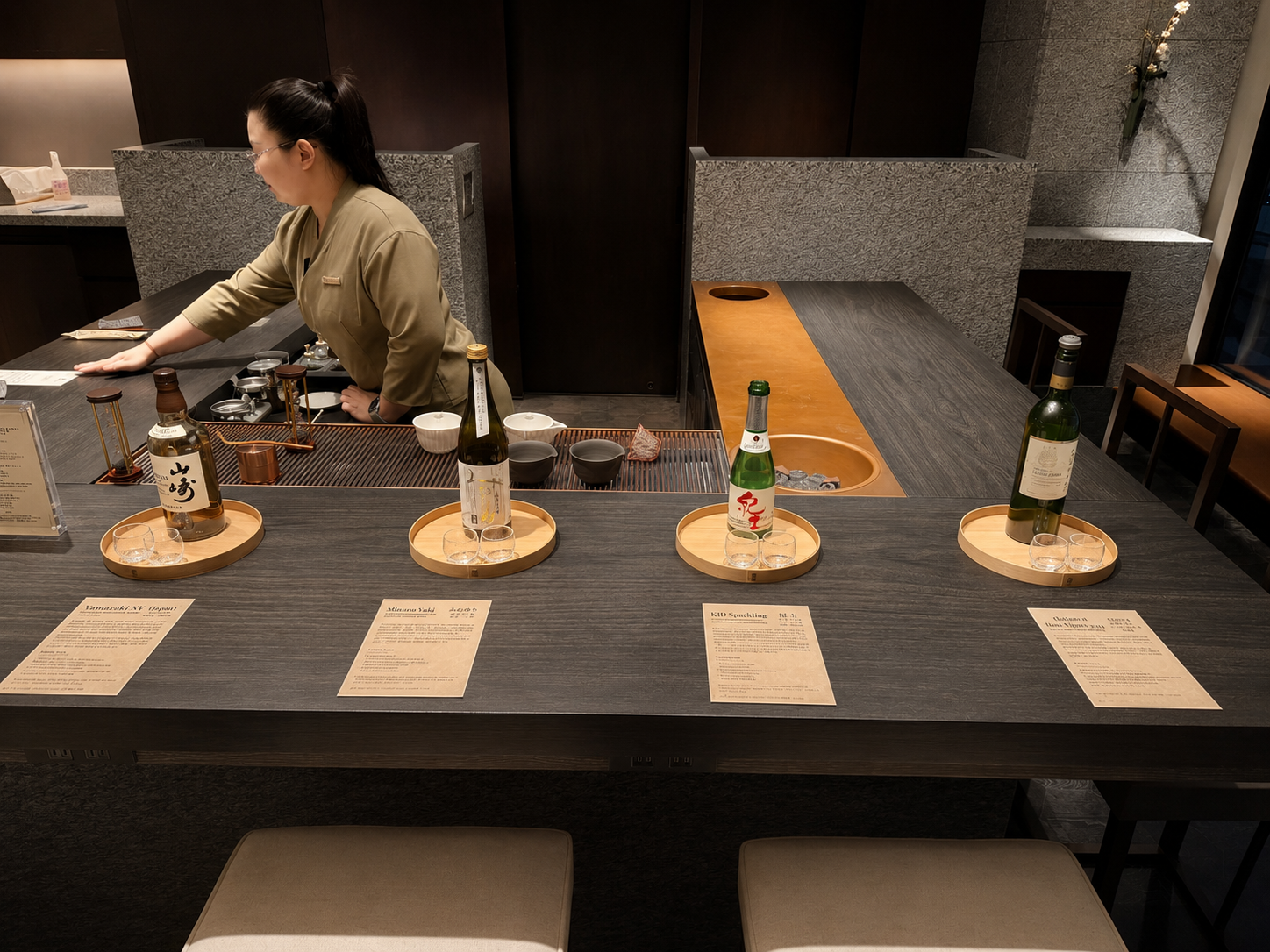
In the evening, we were able to try a selection of Japanese spirits at the bar, including whisky and sake. What I enjoyed most, however, was chatting with the bartenders about life in Japan, their families and their experiences working at the hotel.
Breakfast on the GENSUI Floor
Breakfast was firmly the highlight of our entire stay. It was huge, colorful and delicious.

The staff encouraged us to wear the kimonos provided in our room to breakfast, which we did. They even helped adjust them so we were wearing them correctly.
Our bento-style breakfast included around ten different dishes, including Japanese beef, fresh salmon and a number of smaller dishes that made the whole presentation feel very special.

I westernized mine slightly with coffee and orange juice. Again, you can make the GENSUI experience as Japanese as you wish, while still adding Western touches where appropriate.
Japan is a country with a strong sense of culture and tradition, which is one of the reasons it is so great to visit. Even so, we never felt awkward or worried about making a cultural faux pas. The staff made the whole experience feel welcoming and easy to enjoy.
Afternoon Tea
Afternoon tea is served daily in the SABO Lounge, although we did not attend during our stay.
It is part of the wider GENSUI experience and gives guests another reason to use the lounge during the day. For us, breakfast, the Japanese activities and the evening drinks were more than enough, so we simply never got around to it.
Service on the GENSUI Floor
One of the things that stood out throughout our stay was how well staffed the GENSUI Floor appeared to be. At almost any time of day, there seemed to be at least three staff members working in the SABO Lounge, despite there being only 21 rooms and suites on the floor.
The service felt much more personal than a typical luxury hotel stay. The team took time to explain the various activities, helped us correctly wear our kimonos for breakfast and even took photos of guests participating in some of the experiences.
What I appreciated most was that the staff never appeared rushed. Whether it was asking questions about the floor, discussing Japanese culture or chatting with the bartenders in the evening, everyone seemed genuinely happy to spend time with guests.
Privacy and Atmosphere
We hardly saw any other guests on the GENSUI Floor during our stay, apart from a few people at breakfast.
What is interesting is that when I have since tried to book GENSUI rooms for clients, many of the room categories have shown as sold out. There is clearly a good level of demand for the floor, but it never felt busy.
That is one of the things I liked most about it. The whole experience felt quiet, private and exclusive.
Access to the Rest of Four Seasons Osaka
Guests staying on the GENSUI Floor still have full access to all of the facilities at Four Seasons Osaka, including the spa, pool, fitness center, restaurants and bars.
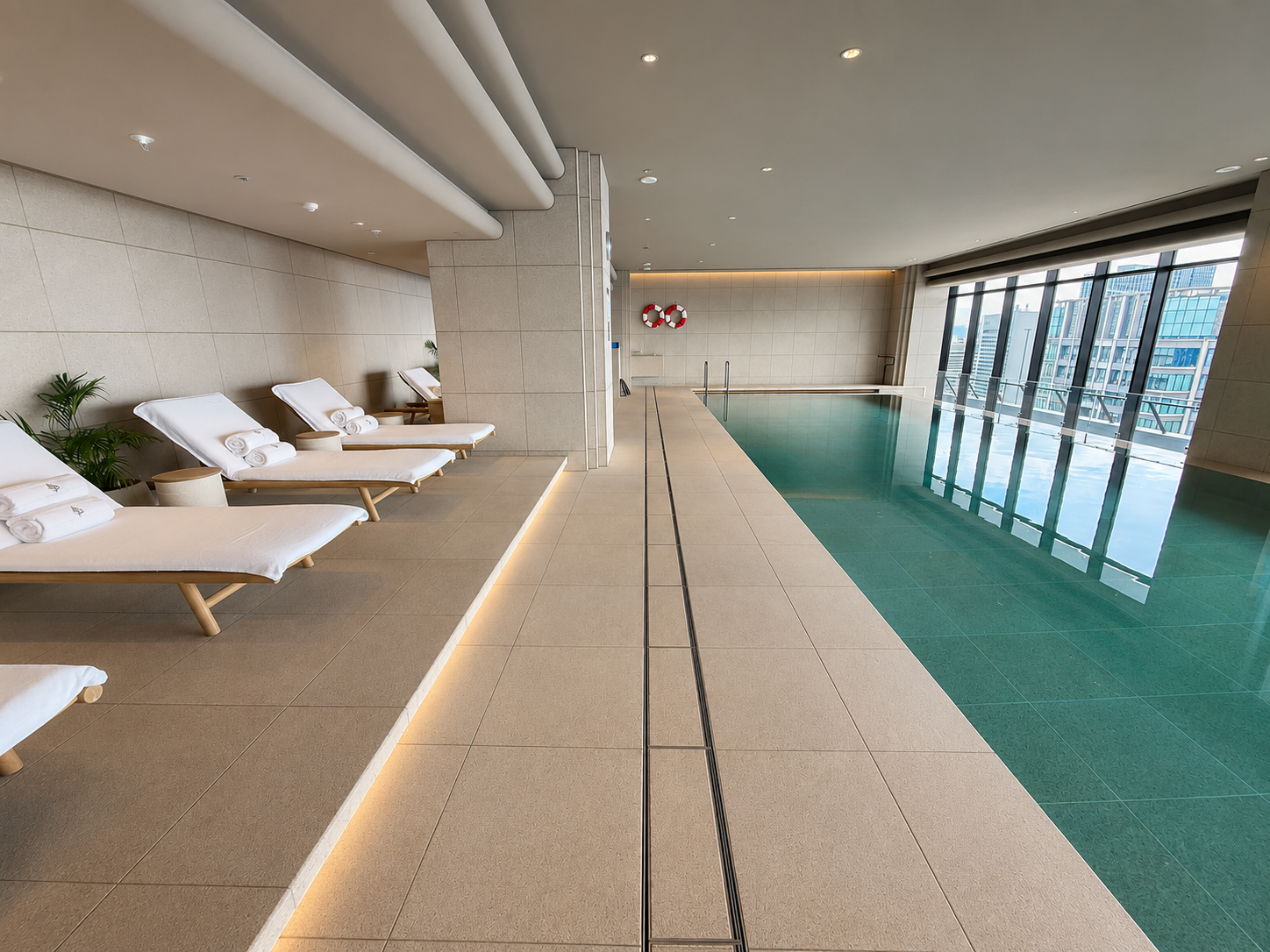
Staying on GENSUI never felt isolating or as though we were missing out on the rest of the hotel. You get the privacy of the dedicated floor while still being able to use everything else in the building.
I will be covering the other facilities in much more detail in my wider Four Seasons Osaka review.
Why We Switched to a Standard Room
As part of our stay, we also wanted to experience one of the normal guest rooms at Four Seasons Osaka.
Switching rooms was very easy. We simply packed our bags, left them in the room and the staff took care of everything else.

As much as I loved the Tatami Premier Room and the whole GENSUI experience, I was pleased to move into a more conventional room. We switched to a Premier Corner Room, which gave us more space, a much larger bathroom and a layout that felt more familiar.
It was also nice to return to normality a little after fully embracing the GENSUI experience.
I am glad we tried both. The Tatami Room gave us the Japanese side of the stay, while the Premier Corner Room was simply easier for a longer stay.
Grand Tatami Suite: The Room I Would Book Next Time
I was able to tour the whole GENSUI Floor and look at the different room types. While I very much enjoyed our Premier Tatami Room, I felt the Grand Tatami Suite looked even more Japanese and, in some ways, more practical.

For starters, it was much bigger at 88 square metres, or 947 square feet. It also had a more traditional-looking dining area, which gave the suite more of the ryokan feel I had expected.

More importantly for me, the bathroom was bigger. It had a double-sink vanity, and the onsen-style bathtub was positioned by the window overlooking the city.
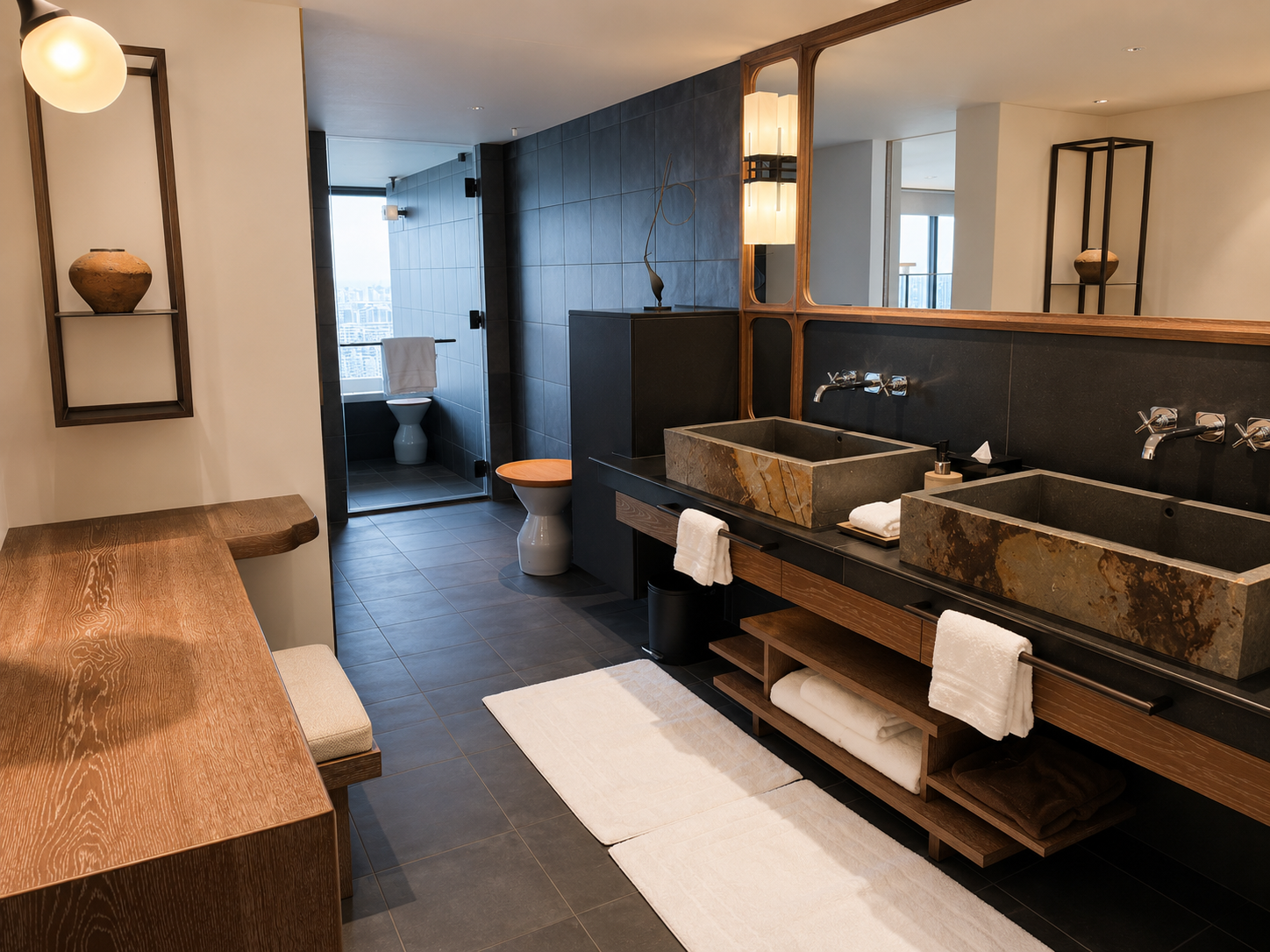
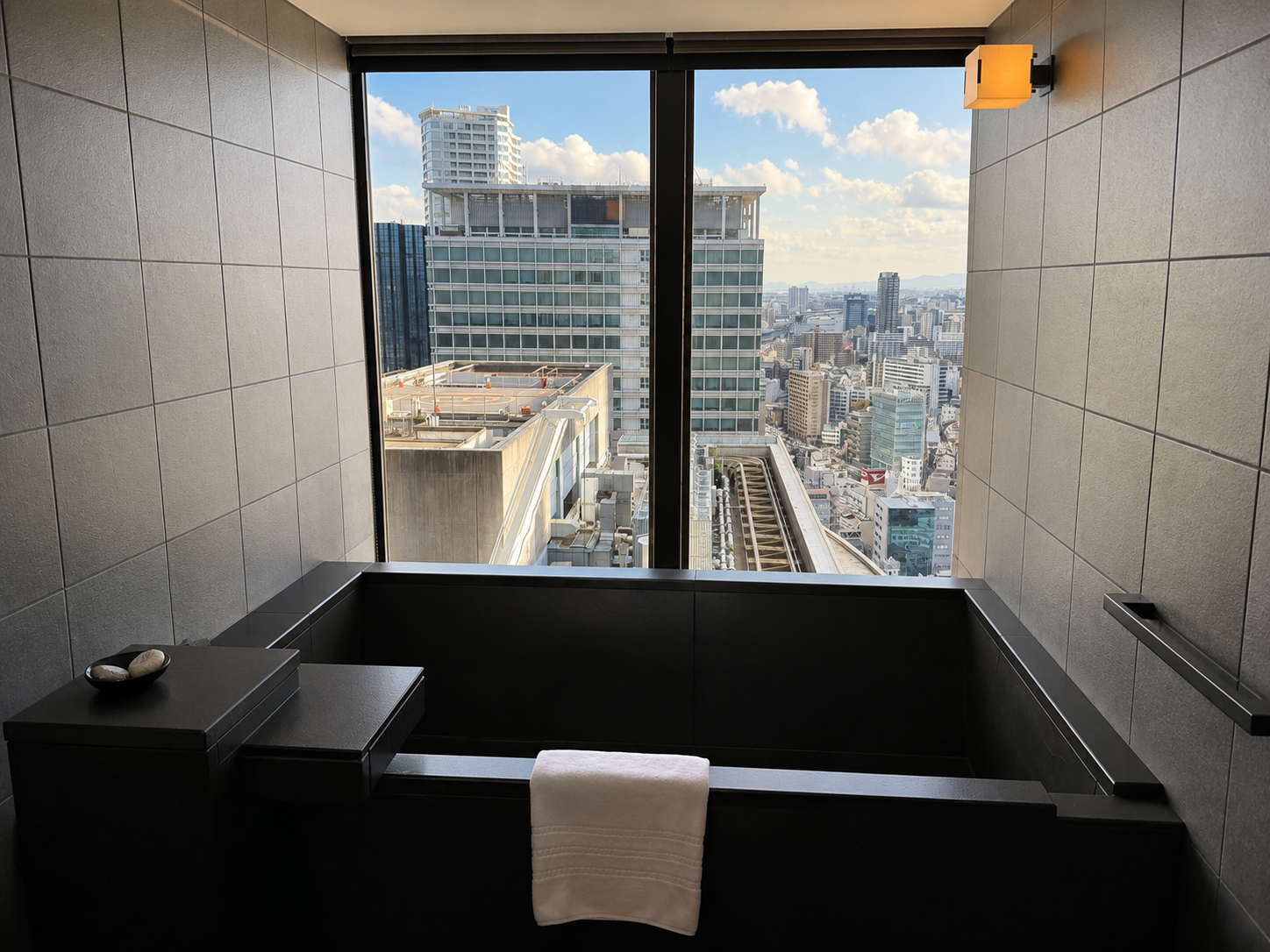
The Grand Tatami Suite is also a very good option for families. It has two beds, more room to spread out and a separate living and dining area, so parents and children are not all sharing one compact space.
I would happily stay in the Premier Tatami Room again, but next time I would try to book the Grand Tatami Suite.
Four Seasons Osaka Location
On our first visit to Osaka in 2018, I felt a little underwhelmed by the city. This time, we fell in love with it, and I am already planning to return for a longer stay.
We absolutely loved the small family-owned restaurants throughout the city. Osaka is often referred to as Japan's kitchen, and once you start eating in these little places, it is easy to see why.

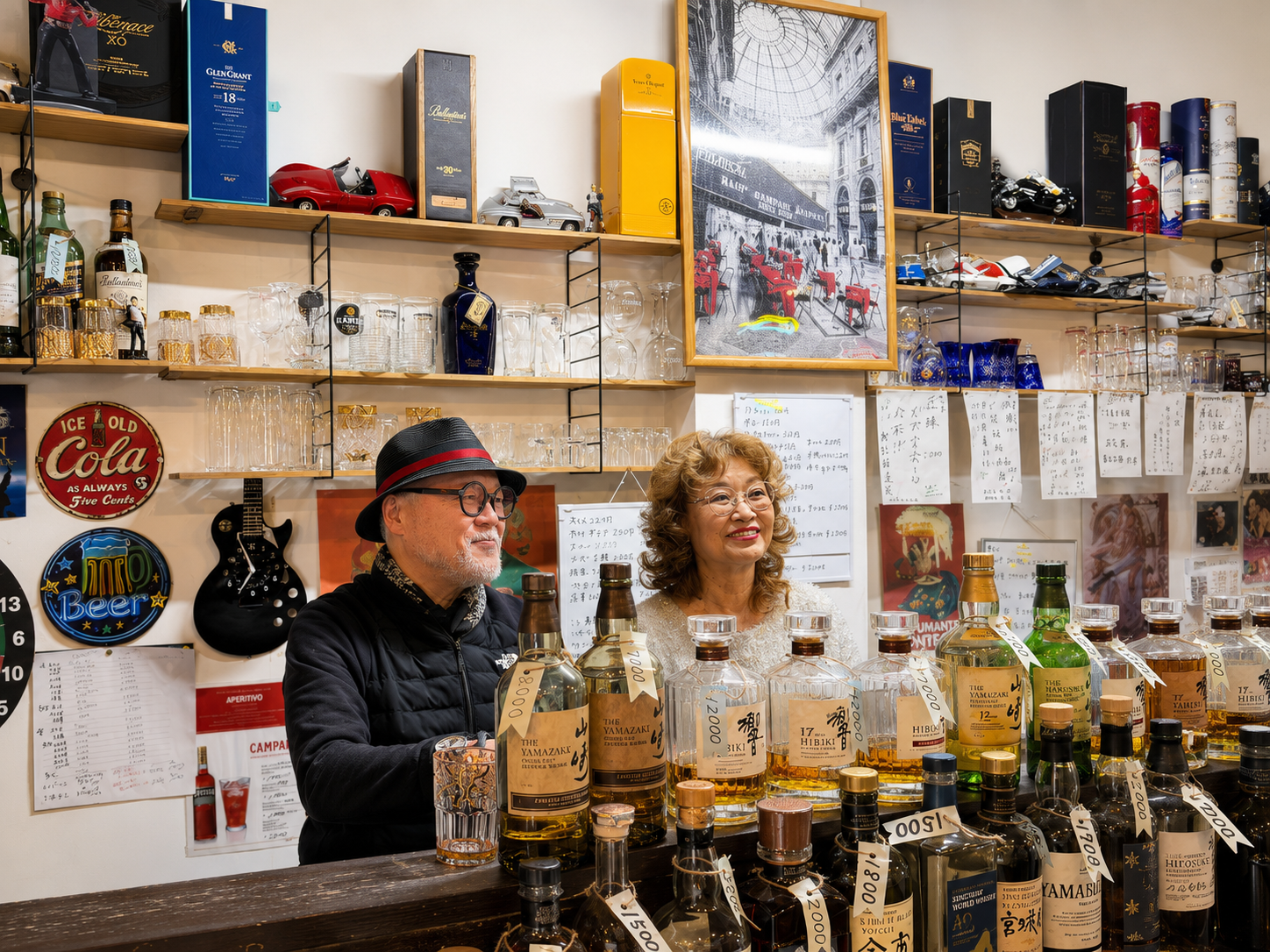
We also had a lot of fun in the tiny bars with just five or six seats and a karaoke machine. The whole city felt more relaxed than some of the other places we visited in Japan.
The immediate neighborhood around Four Seasons Osaka may feel a little quiet to some guests, especially compared with staying directly around Osaka Station, where there are many more shopping, dining and bar options.
For us, however, the area worked perfectly well. Uber was modestly priced, readily available and very easy to use.
Four Seasons Osaka is around a 10-minute walk from Osaka Station, so the hotel is still well connected.
Kyoto is also easy to reach by train, but on one occasion we took an Uber for around USD 40, and the journey took a little under an hour.
How Long Should You Stay on the GENSUI Floor?
For most travelers, I would recommend two nights on the GENSUI Floor.
Two nights is enough time to enjoy the room, have the full breakfast experience, take part in one or two Japanese activities and spend an evening trying the drinks in the SABO Lounge.
After two nights, I felt we had experienced what made the floor special. You can then either move on or, as we did, switch into one of the normal rooms at Four Seasons Osaka.
Is the GENSUI Floor Worth the Extra Cost?
This is probably the question most people researching the GENSUI Floor want answered.
For me, the answer is yes, provided you are genuinely interested in the experience rather than simply booking the cheapest room available.
Between the private check-in, SABO Lounge access, Japanese activities, evening drinks, exclusive breakfast and the Tatami Rooms themselves, the GENSUI Floor feels very different from the rest of the hotel.
If you simply want the largest room for your money, I would probably put that budget towards a Premier Corner Room or one of the larger suites elsewhere in the hotel.
If, however, you want to experience a modern interpretation of a Japanese ryokan while still enjoying all the comforts of Four Seasons, I think the additional cost is justified.
Who Should Book the GENSUI Floor?
I think the GENSUI Floor is best suited to first-time visitors to Japan, travelers curious about ryokan culture and Four Seasons guests looking for something a little different from a standard luxury hotel stay.
It is also a very good option for couples celebrating a special occasion or anyone who enjoys experiences that feel connected to the destination they are visiting.
If your priority is simply having the largest room or the biggest bathroom for the money, I would probably look at some of the standard room and suite categories elsewhere in the hotel.
Final Verdict
I think Four Seasons has done a very good job with the GENSUI Floor.
It does not feel like they have simply decorated a normal hotel floor with Japanese artwork and tried to sell it as a ryokan. The Tatami Rooms, dark corridors, Japanese breakfast, activities and service all work together to create something that feels genuinely different from the rest of the hotel.

What I liked most is that it delivers many of the things people enjoy about staying in a ryokan without some of the compromises that can come with a traditional ryokan stay.
You still have a comfortable bed, a private bathroom, modern technology and access to all of the facilities at Four Seasons Osaka.
I would recommend staying for two nights. That felt like the perfect amount of time to enjoy the experience without feeling the need to stay on the floor for an entire Osaka visit.
Would I stay again? Absolutely.
Next time, though, I would book the Grand Tatami Suite. That room alone is enough reason for me to come back.