Article and photos by Dylan Clements
Overall Rating: 9/10
Best For: First-time visitors to Tokyo, couples, and luxury travelers seeking exceptional views.

New-build hotels always excite me because they can be created exactly as the designer intended. In this case, Jean-Michel Gathy, whose work includes Aman New York, Cheval Blanc Seychelles, One&Only One Za’abeel and The Chedi Muscat, was given a blank canvas to design the hotel from the ground up.
Location: Is Otemachi a Good Area to Stay in Tokyo?
Before staying here, one of my main questions was whether Otemachi would be a good location for a leisure trip. It is known mainly as Tokyo’s financial district, and I was slightly concerned that I might get bored staying here compared with somewhere like Ginza or Shinjuku. In reality, the opposite happened and I found the location far better than expected.

The hotel sits above Otemachi Station and is around a 10-minute walk from Tokyo Station, the city’s main rail hub. This makes it extremely convenient if you are arriving by train, planning to use the Shinkansen or continuing on to Kyoto, Osaka or elsewhere in Japan. The Imperial Palace is also directly beside the hotel, with views over the palace grounds from many parts of the property, and the East Gardens are within easy reach. It gives the area a sense of space that is rare in central Tokyo.
Compared with Ginza, where hotels such as The Peninsula Tokyo place you right in the middle of the shopping, restaurants and crowds, Otemachi feels calmer and easier. You are still very close to everything, but you do not walk out of the hotel straight into one of the busiest parts of the city. After spending the day exploring Tokyo, I appreciated returning to an area that felt quieter and less hectic.
On our previous trip to Tokyo, we stayed in Shinjuku, close to Park Hyatt Tokyo, and thoroughly enjoyed it. There was plenty of nightlife, lots of small hole-in-the-wall restaurants and a much livelier atmosphere. We were younger then, and that suited our travel style far more at the time. Otemachi is a different experience, but for this trip it suited us better.
We also enjoyed the shopping centers around Otemachi and Marunouchi, which have a large selection of restaurants without feeling overly touristy, many in the same building as where the Four Seasons is located.. Some of our favorite meals were in casual Japanese restaurants tucked inside the malls, where the food felt authentic, prices were reasonable and a cold beer cost very little compared with the hotel. It gave us plenty of easy dining options close by without needing to travel across the city every evening.

Coming in from North America, I found myself waking up at around 3:00 a.m. for the first few nights. With no chance of getting back to sleep, I would wander aimlessly through the streets until I had tired myself out enough to return to bed. The entire area felt completely safe, even at that hour, which is exactly what you would expect in Japan. I also discovered I was not alone. You could often spot other Four Seasons guests, probably suffering from the same North American jet lag, walking around Otemachi like zombies in the middle of the night.
Getting around was easy. Shibuya, Shinjuku, Roppongi and Asakusa can all be reached without much trouble, while Ginza is only a short taxi ride away. We also found ourselves walking more than expected, with Tokyo Station, Marunouchi and parts of Ginza all within reach. Keep in mind that Uber is readily available in Tokyo and modestly priced.
The only real downside is that the immediate area is more business-focused, especially in the evening. It does not have the same energy as Ginza or Shinjuku, but for me that was more of a benefit than a problem.
Overall, I think Otemachi is one of the best areas to stay in Tokyo if you want easy transport, quick access to the main sights, close proximity to the Imperial Palace and a quieter base at the end of the day.
Arrival And Check-In At Four Seasons Otemachi
Check-in is on the 39th floor, which is very much the main hub of the hotel, with nearly all of its facilities centered around this level. Coming off a 14-hour flight from Miami and being dropped straight into the heart of the property, walking through the sky lobby, past the lounge serving afternoon tea and into a busy check-in area, made it very clear that we had arrived in Tokyo, one of the biggest and most busting cities in the world.
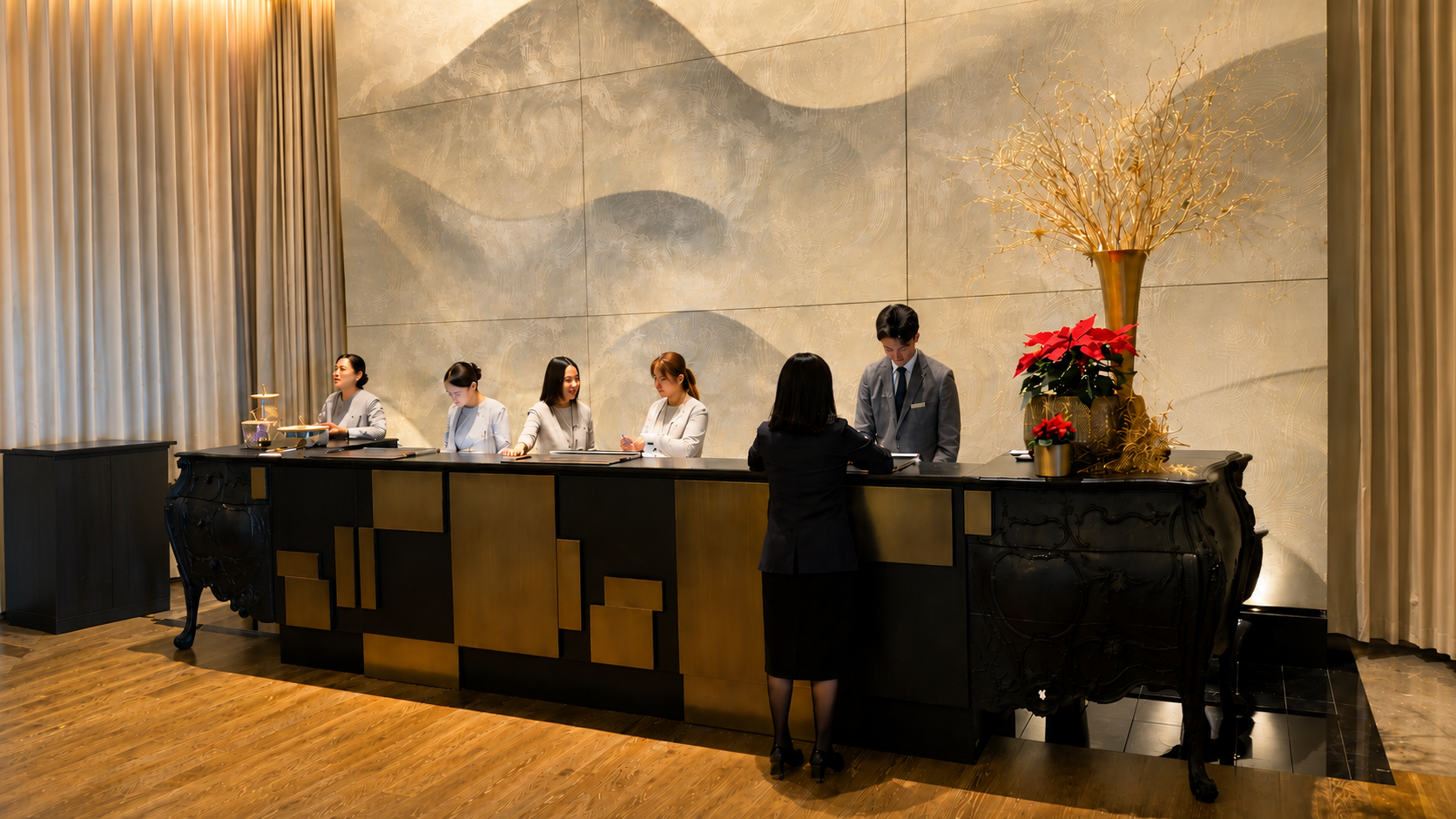

Tired from the journey, I was grateful that check-in over a welcome drink was quick and efficient. Our Four Seasons Preferred Partner benefits were also clearly explained, including breakfast, the hotel credit and the upgrade that had been confirmed for the stay. Small touches, such as being shown where everything was and then personally walked to the room, were appreciated and, as I would soon learn, typical of the high level of service throughout the property.
Four Seasons Otemachi Rooms Review: Superior vs Deluxe vs Premier
I was extremely pleased that we booked a Deluxe Room rather than a Superior Room. The price difference is not especially large, but in my opinion the differences between the two categories are significant, particularly once you factor in the one-category upgrade available through Four Seasons Preferred Partner, subject to availability.
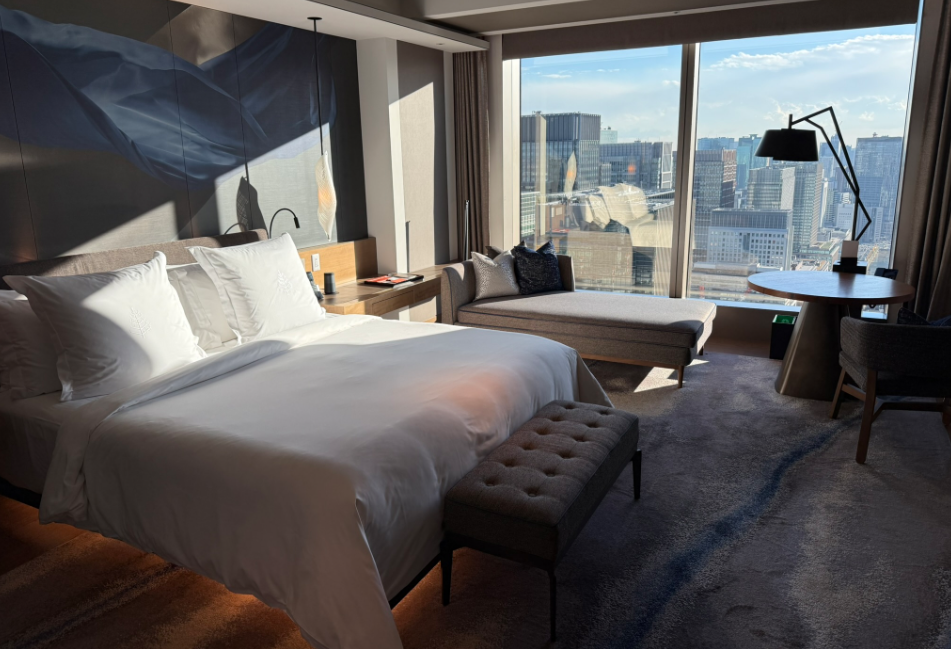
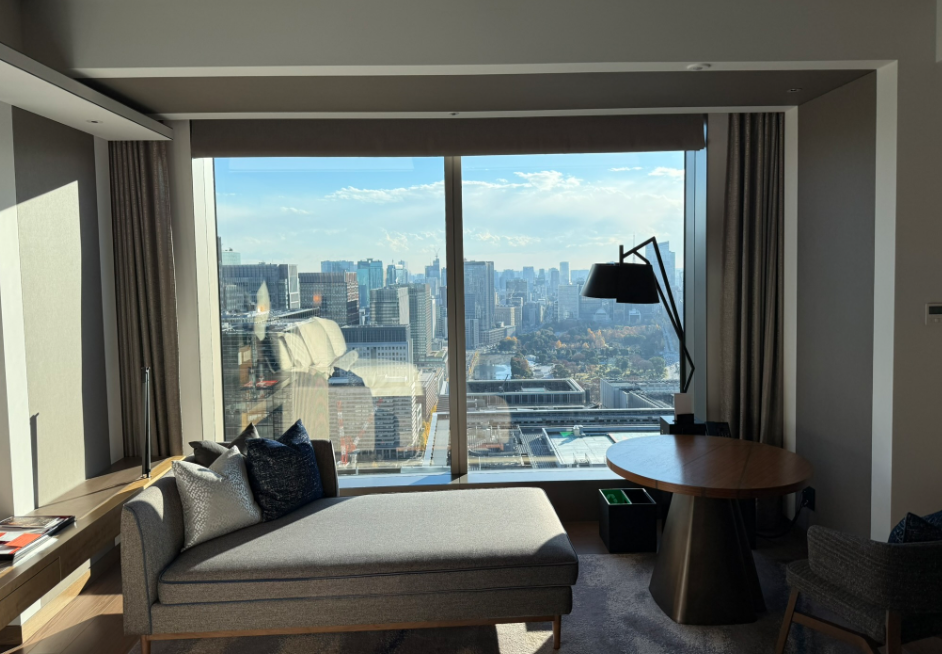
The two main differences are the bathtub and the wardrobe. In the Superior Room, the bathtub is positioned toward the back of the bathroom with no real outlook. In the Deluxe Room, it sits directly beside the window, allowing you to look out across Tokyo while having a bath. It completely changes the feel of the bathroom and makes the room feel far more luxurious.
The Deluxe Room also has a small walk-in wardrobe, while not overly big it was with enough space to store the suitcases and bags of a traveling couple, hang clothes and keep everything out of the main bedroom. This is especially useful in Tokyo, where even expensive hotel rooms can struggle when two people arrive with a couple of large suitcases.
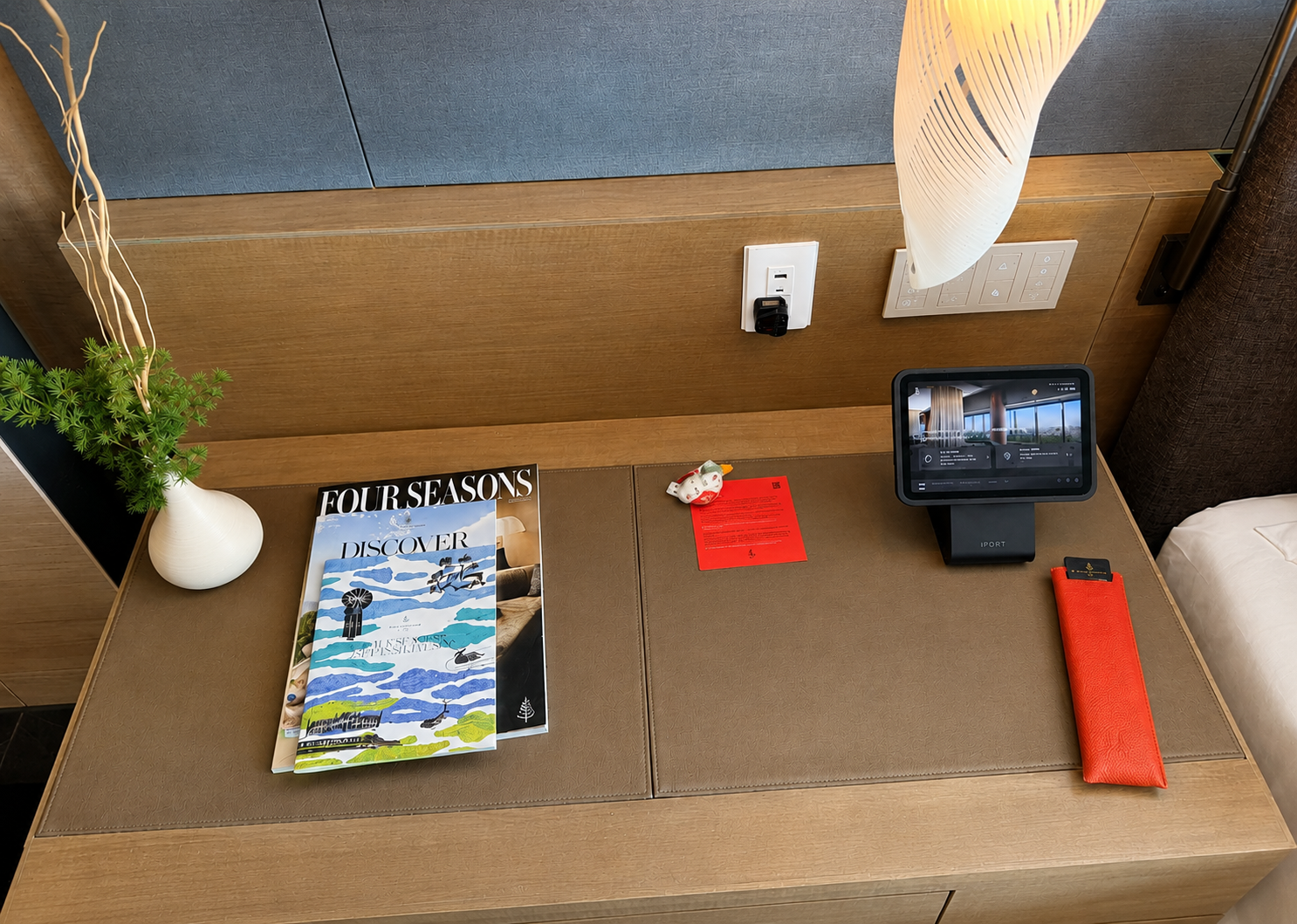
The room itself feels extremely well planned. Floor-to-ceiling windows bring in plenty of natural light and make the Tokyo skyline the main feature, while the seating area, dining and work table (Four Seasons seem to be doing away with desks as I guess they look too corporate and do dining tables now) and well-positioned bedside controls make the room easy to live in rather than just impressive to look at. The lighting is warm, the curtains are fully automated, and there are enough storage areas to stop the room feeling cluttered during a longer stay.
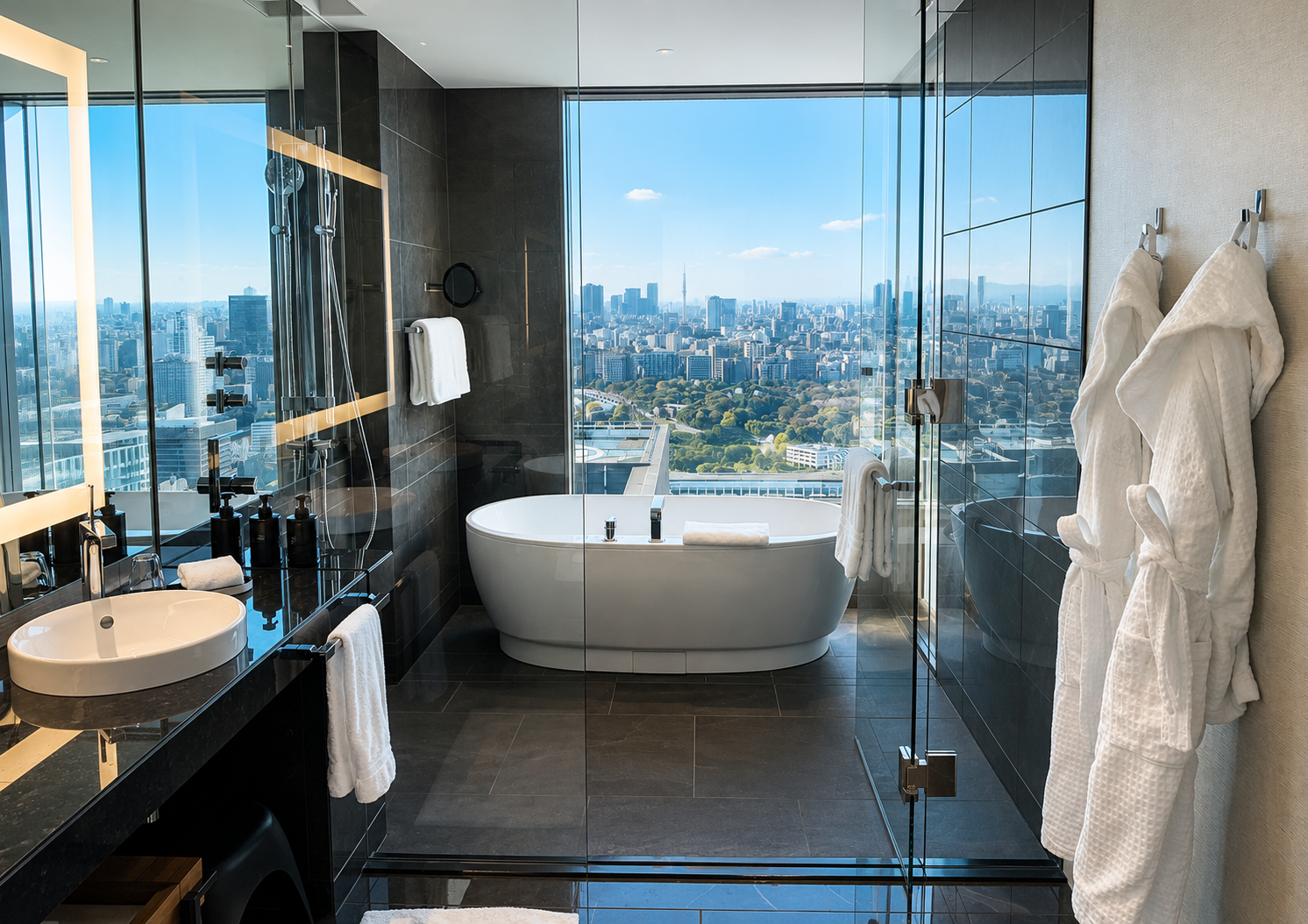

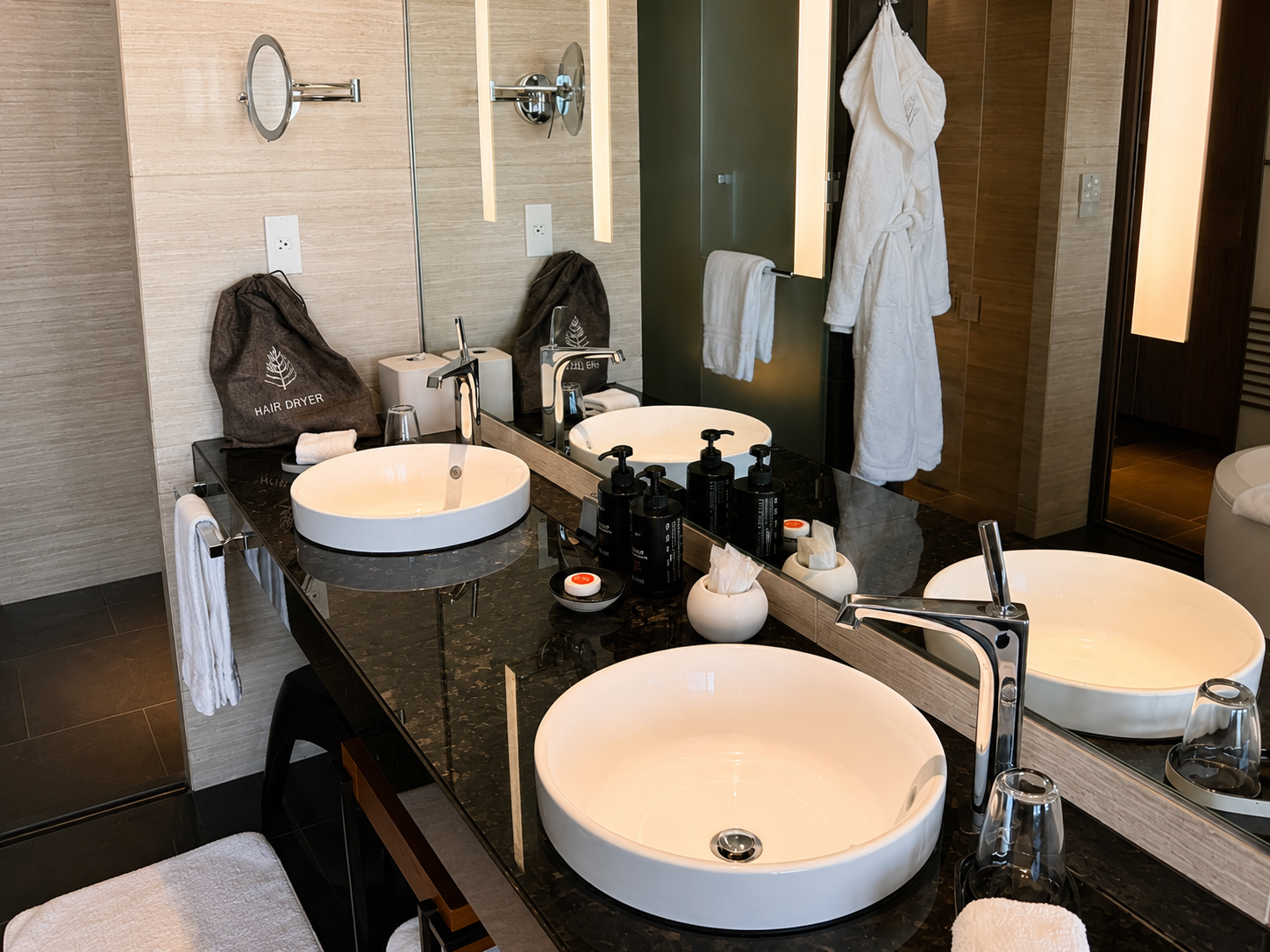
The bathroom is one of the strongest features. It is spacious, finished in stone and designed to feel more like a private spa than a standard hotel bathroom. There is a deep soaking tub beside the window, a separate walk-in rainfall shower, a large vanity area and a separate toilet fitted with a TOTO washlet. The combination of space, natural light and city views makes it one of the better bathrooms I have experienced in a Tokyo hotel.
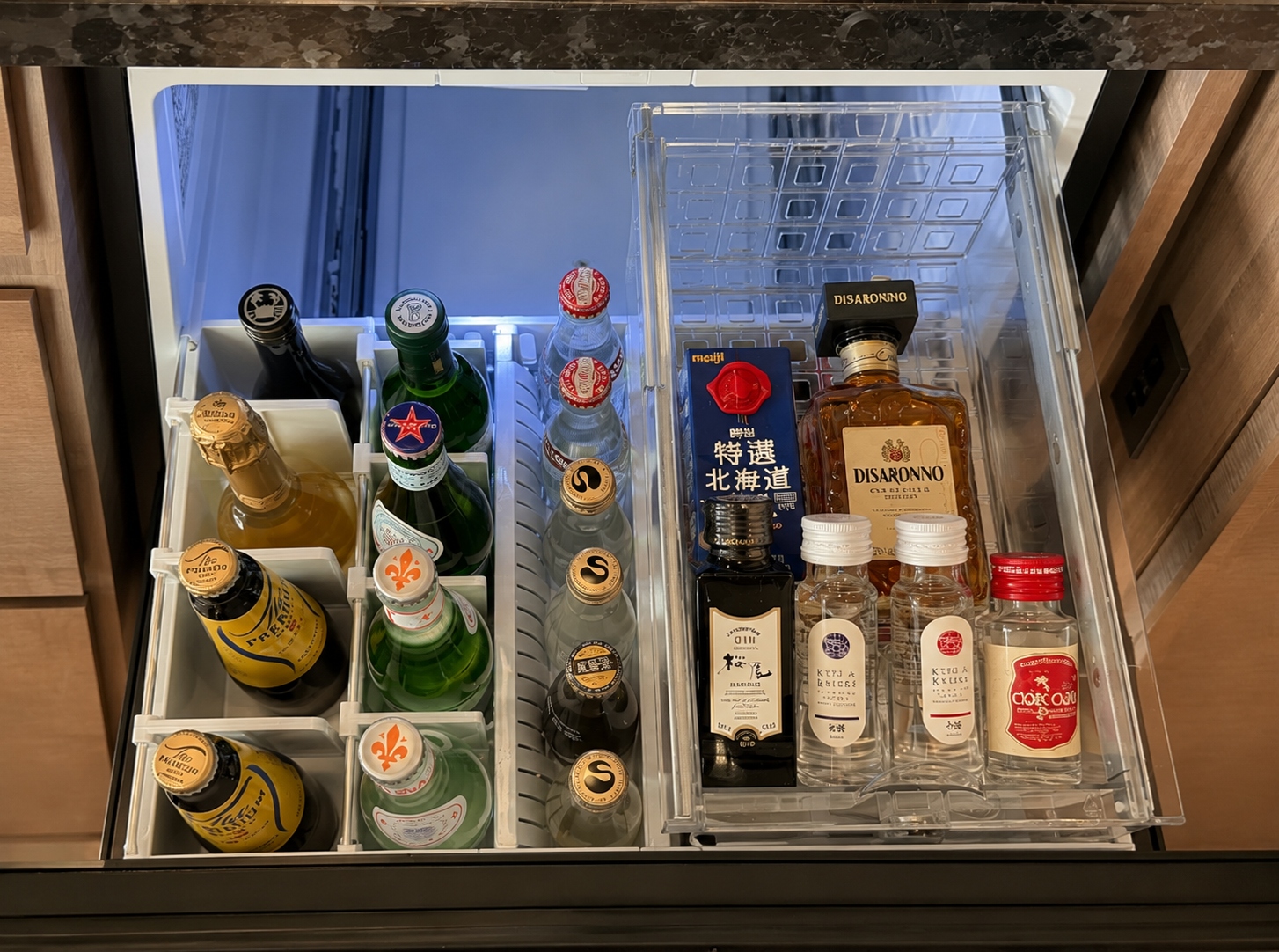
However, on my next stay I would book a Premier Room. It is one of the more reasonably priced luxury hotel rooms of its type in Tokyo, particularly when you consider the size, views and layouts available.

All Premier Rooms have a corner position and measure around 61 square meters, or 656 square feet, which is huge by Tokyo standards. Many also have a layout that feels closer to a junior suite or compact one-bedroom suite, although the exact configuration varies from room to room - one we looked at on our hotel tour appeared more like a one bedroom suite. We always strive to get the best room possible for our clients and always put in request to our hotel contacts to get the best in category or even better an upgrade.
This is where booking through Four Seasons Preferred Partner can make a real difference. Eligible reservations receive a one-category upgrade on arrival, subject to availability, so booking a Deluxe Room can potentially result in a Premier Room. At Clements Travel, we can also request one of the larger Premier Rooms with the better layouts and preferred views, although the final room assignment is always controlled by the hotel.
Four Seasons Otemachi Suites: Some of Tokyo's Best Luxury Accommodations
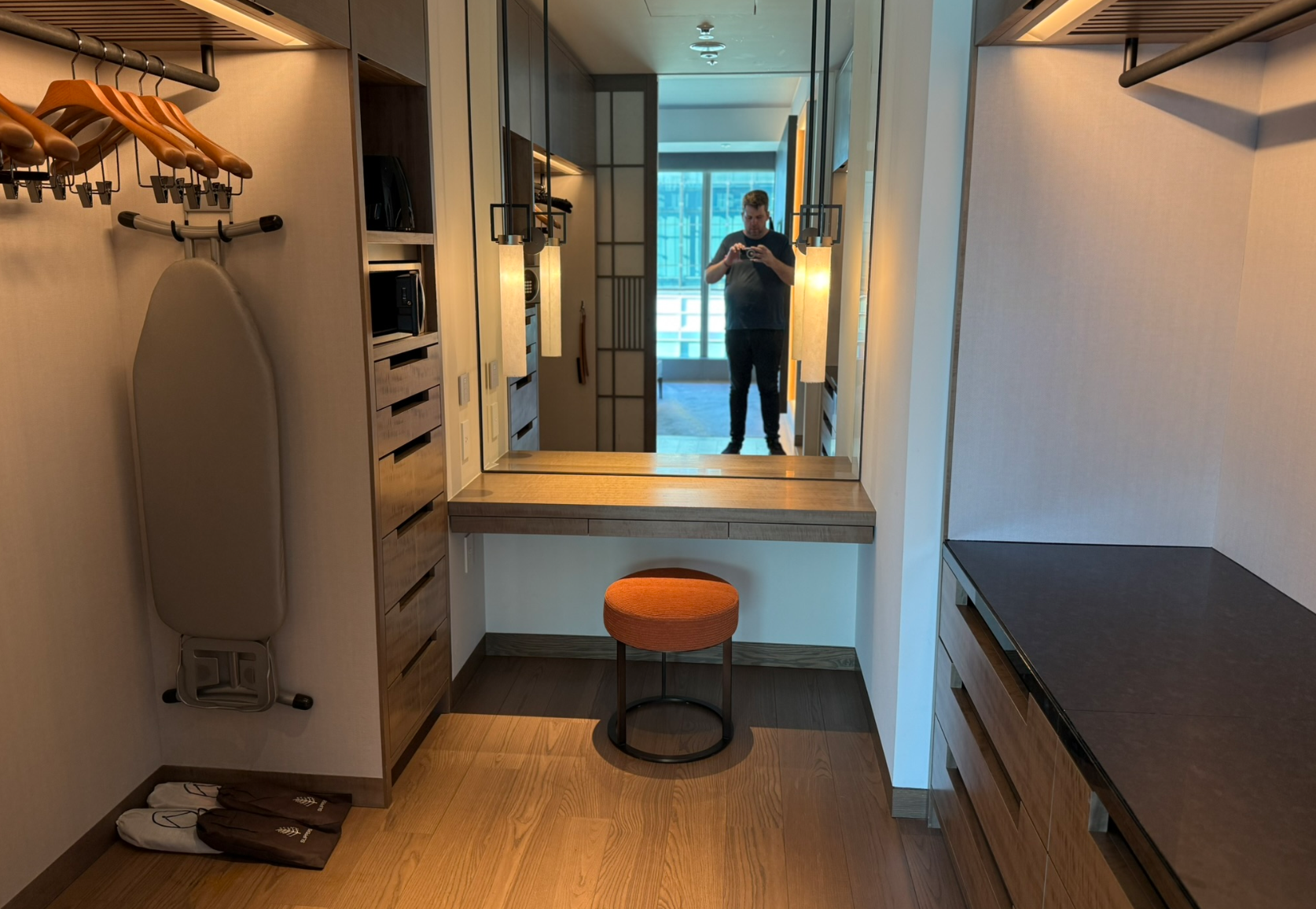
As a Four Seasons Preferred Partner, I also met with the hotel’s sales team so they could show me several additional room categories. I was especially impressed by the suite product, which would be ideal for families visiting Tokyo, as well as couples or longer-stay guests who want significantly more space, better separation between the living and sleeping areas, and enhanced amenities.


Dining at Four Seasons Otemachi
Most of the dining is centered around the 39th floor, where you will find Pigneto, EST, Virtù and The Lounge. We did not eat at every restaurant, so this is based mainly on what we actually used and experienced during the stay.
Pigneto
Pigneto is open throughout the day and is where breakfast is served each morning. Breakfast is complimentary when booking through Four Seasons Preferred Partner, and the benefit can also be taken through in-room dining at no extra cost.

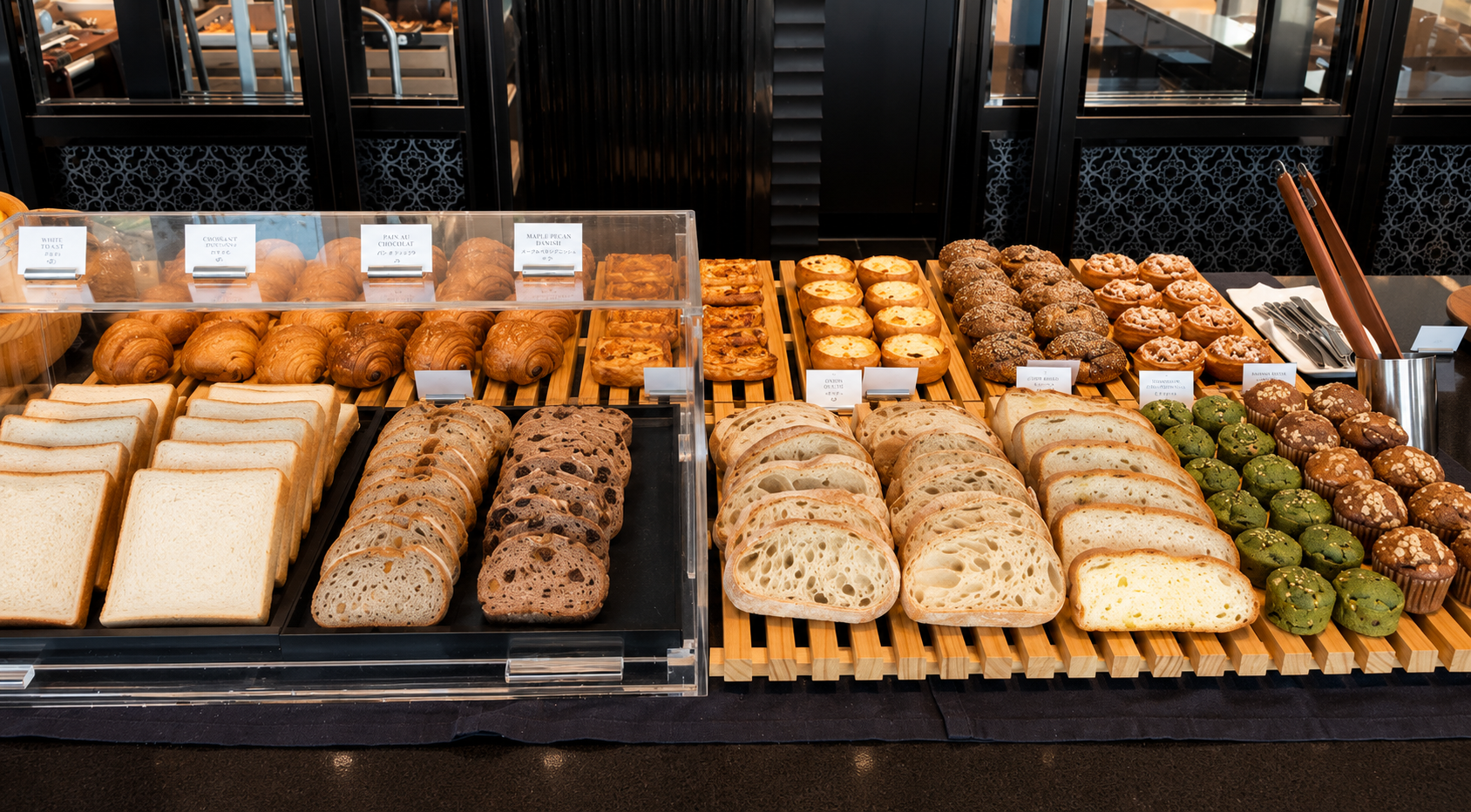
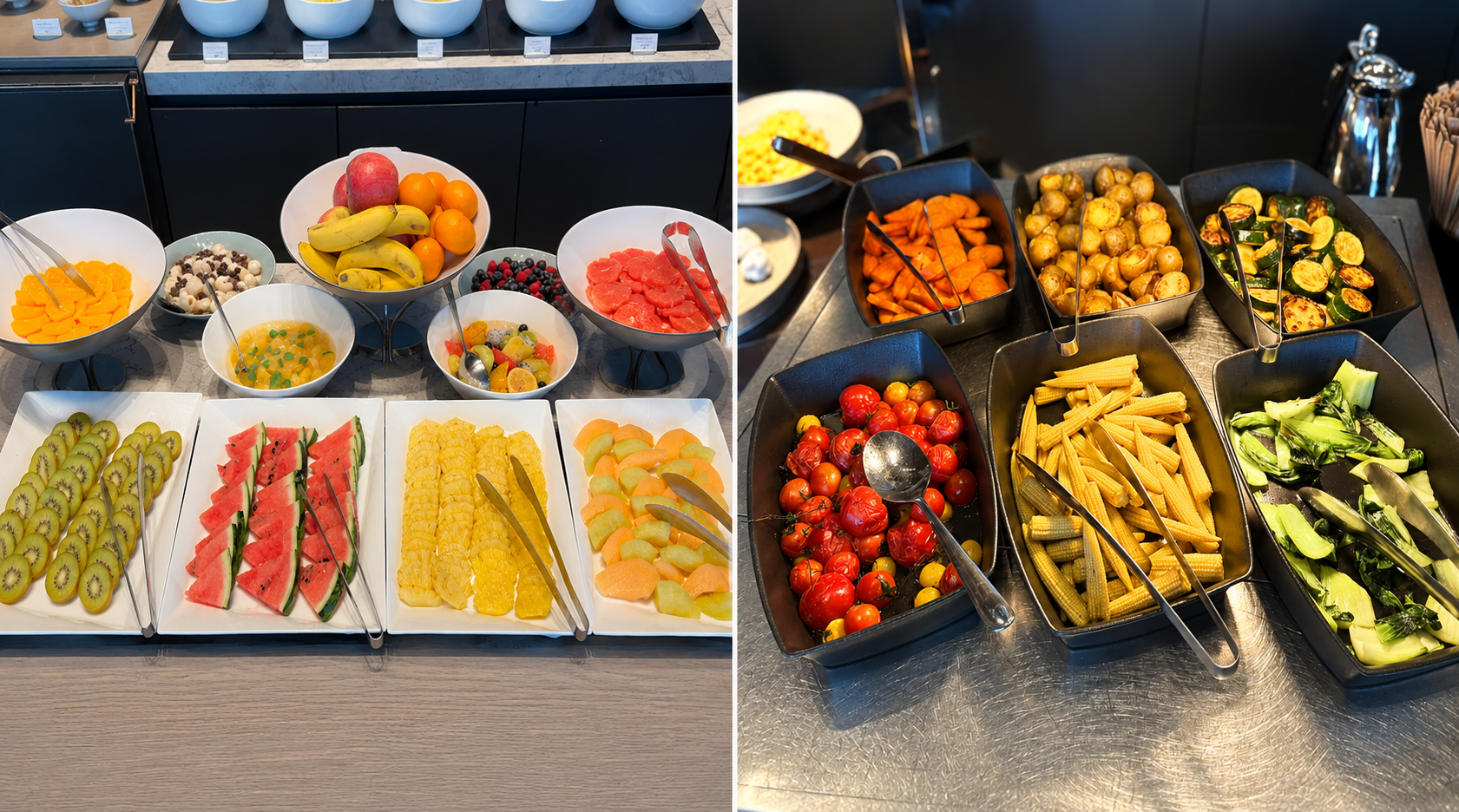
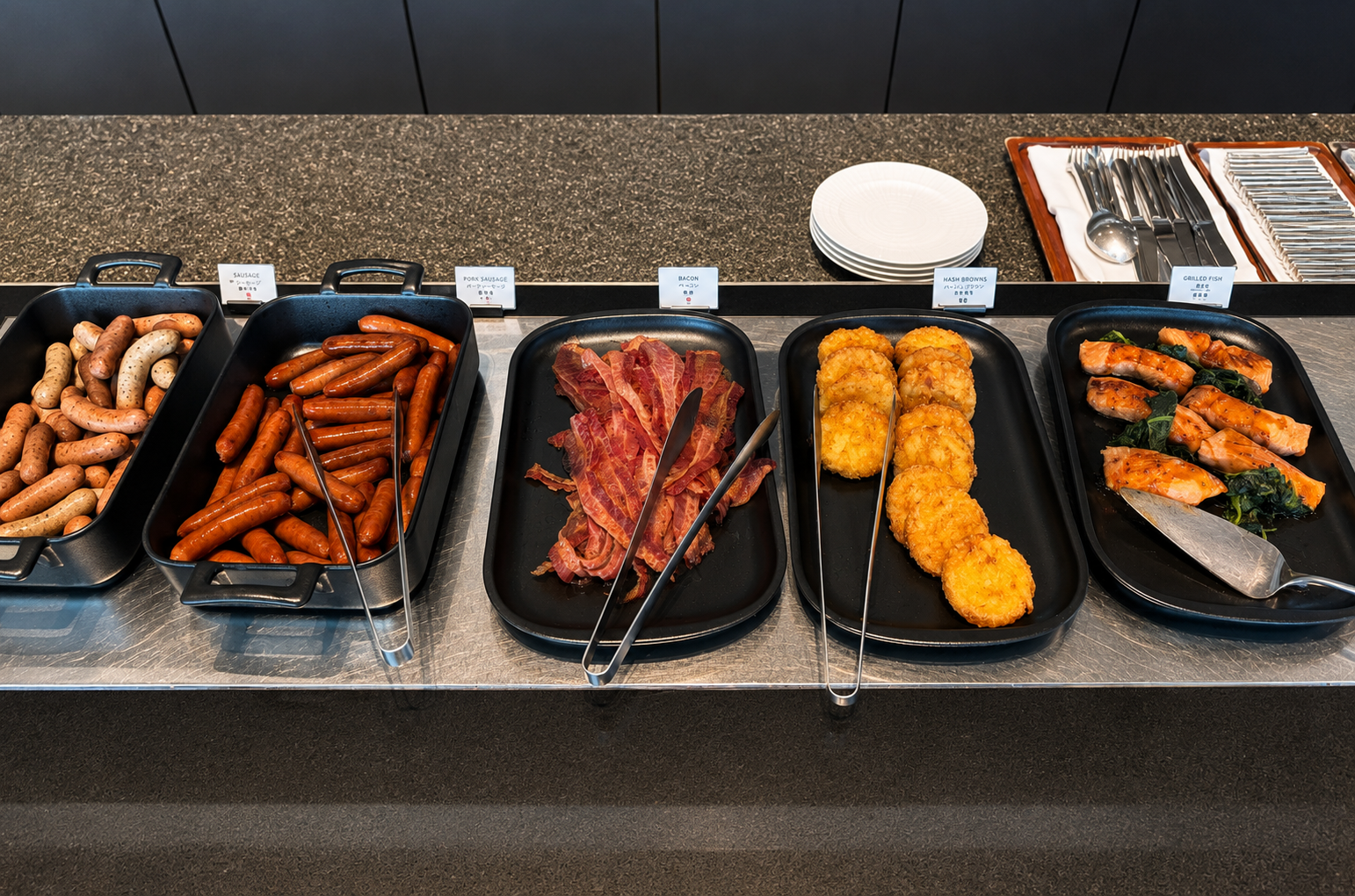
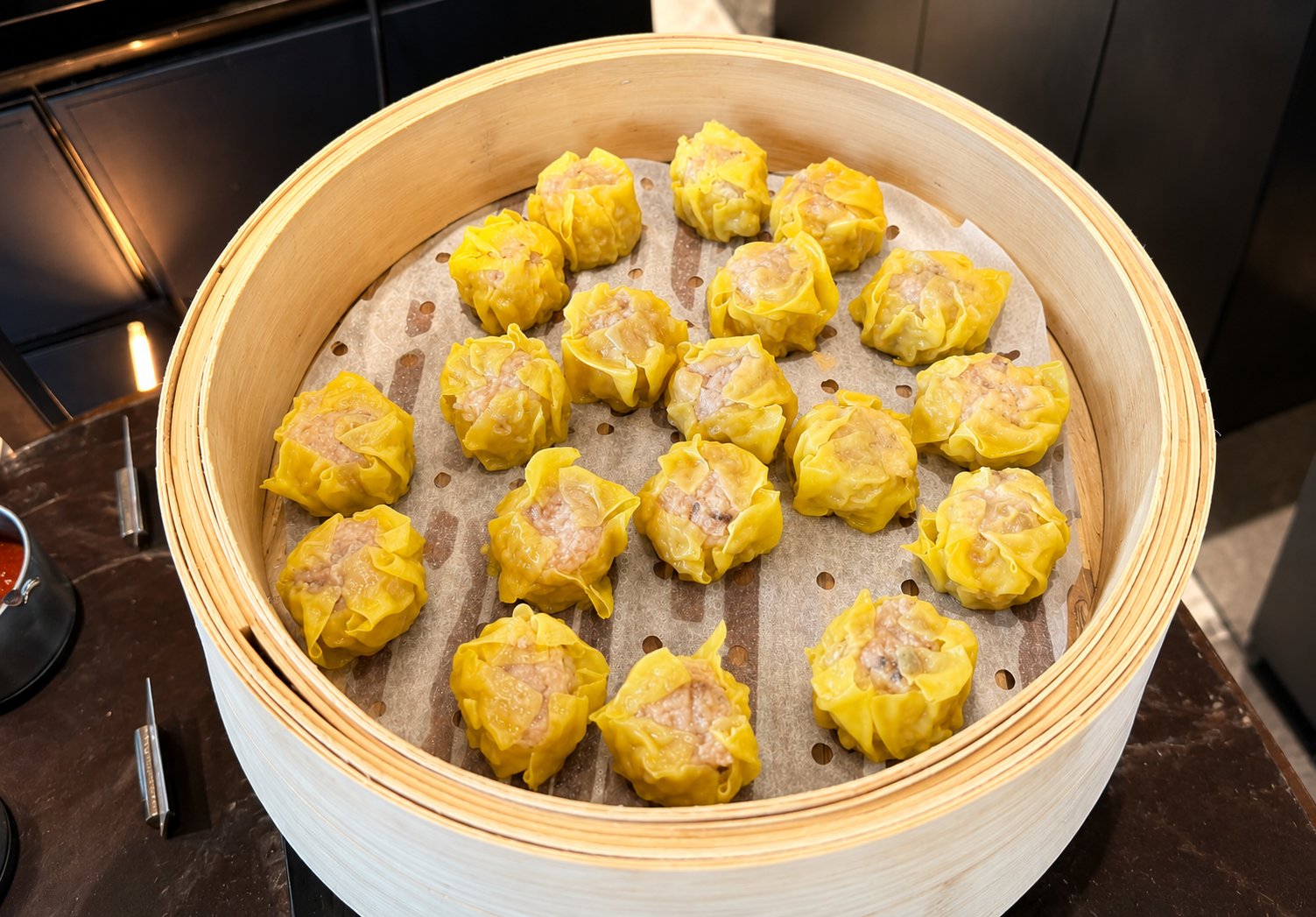

The selection is extensive, with both Japanese and Western options, along with a good choice of à la carte dishes. We also had a clear view of Mount Fuji from Pigneto each morning, which was lovely and made breakfast feel that little bit more special.
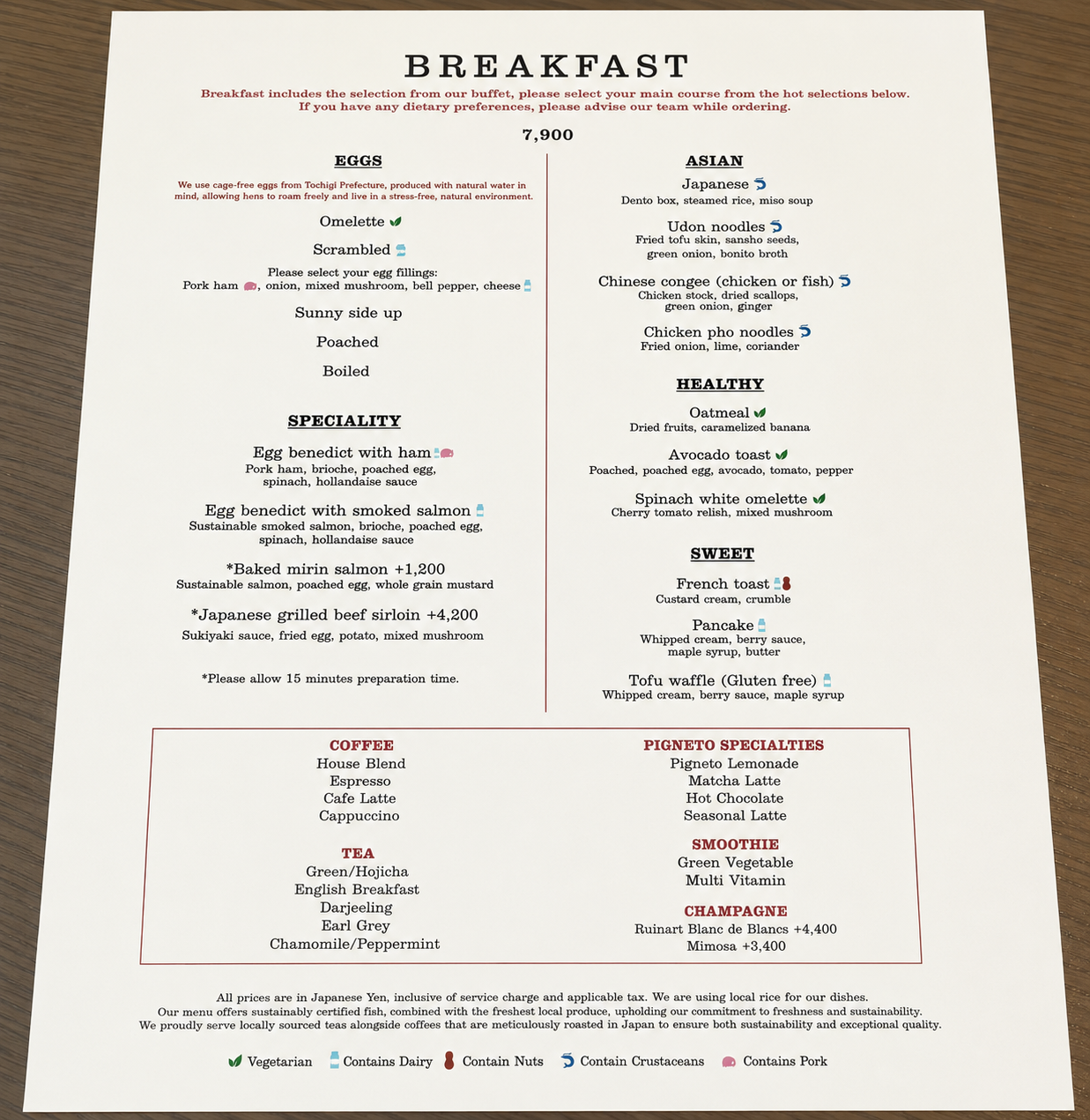
My only criticism was that some of the hot buffet items could have been kept hotter. The quality and variety were very good, but a few dishes had been sitting too long.
We also ate at Pigneto later in the day and thought the Italian food was very good. A lot of the ingredients are imported directly from Italy, including the flour used for the pizzas, and the quality was obvious. It did not feel like a hotel trying to do a token Italian menu.
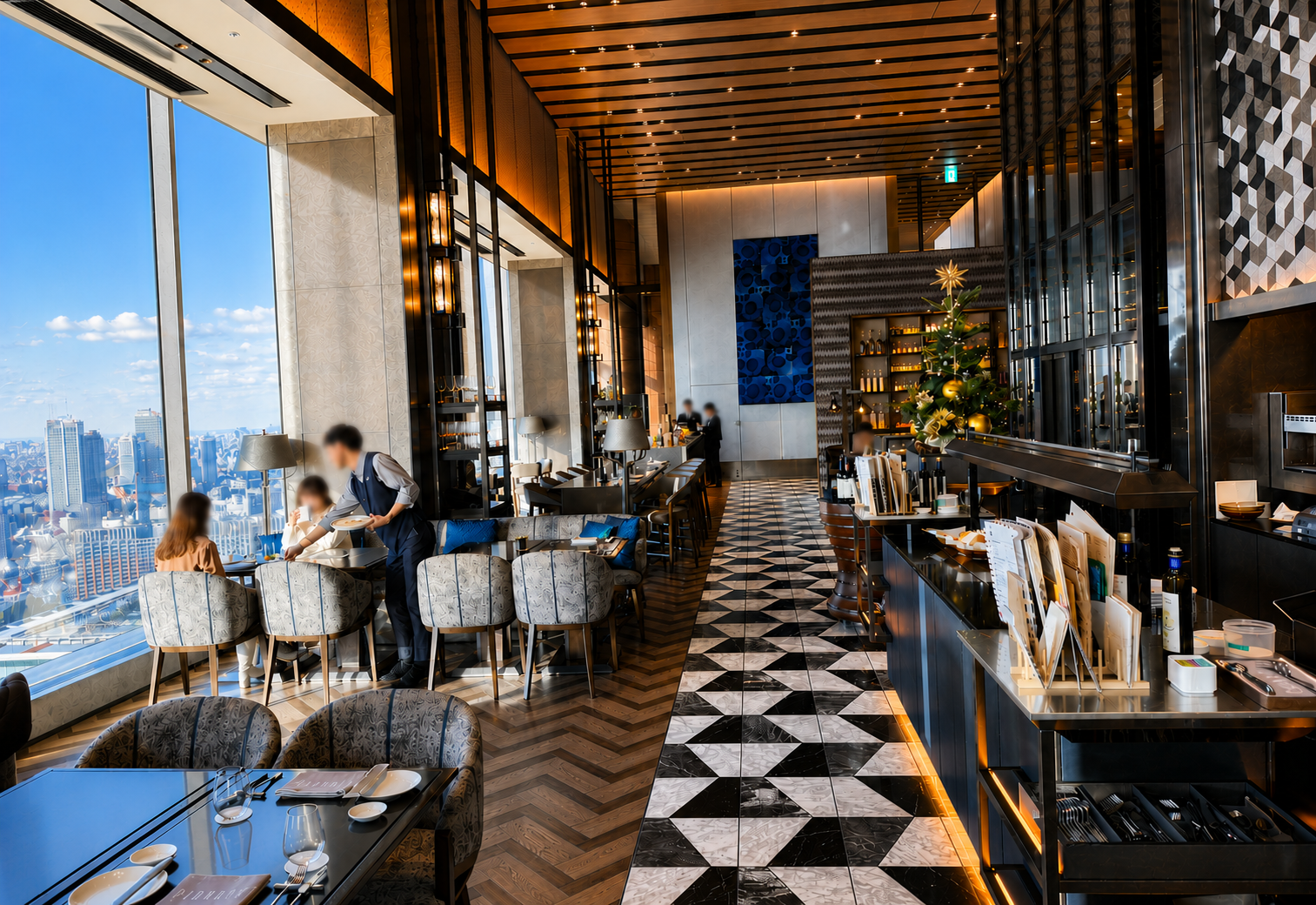


There are also several outdoor terraces with views across Tokyo. We stayed in December, so it was a little too cold to properly use them, but in warmer weather they would be a major part of the restaurant.
EST
EST is the hotel’s Michelin-starred fine-dining restaurant and focuses on contemporary French cuisine using Japanese ingredients.

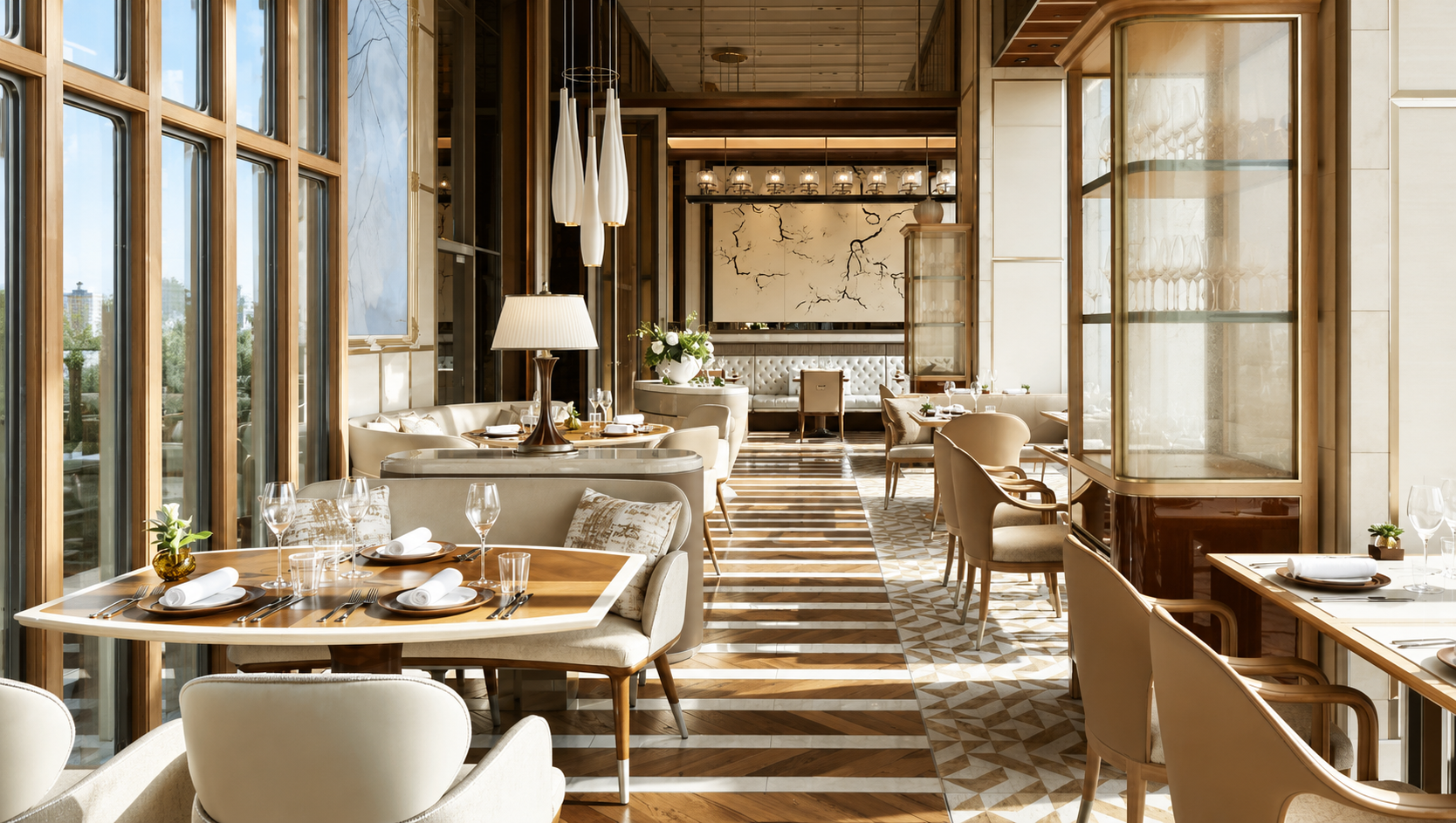
We did not dine there during this stay, so I cannot give a first-hand review, but it is clearly one of the hotel’s main restaurants and the kind of place people would visit even if they were not staying at Four Seasons.
Virtù Bar
Virtù was one of the highlights of the hotel and one of the most beautiful bars we visited during our three-week trip around Japan.
We met the bar manager during our stay, and his enthusiasm for Virtù was obvious from the start. You could immediately see that Virtù was his pride and joy. His enthusiasm for the bar, the drinks and the overall experience came through straight away, and it helped explain why the place works so well.
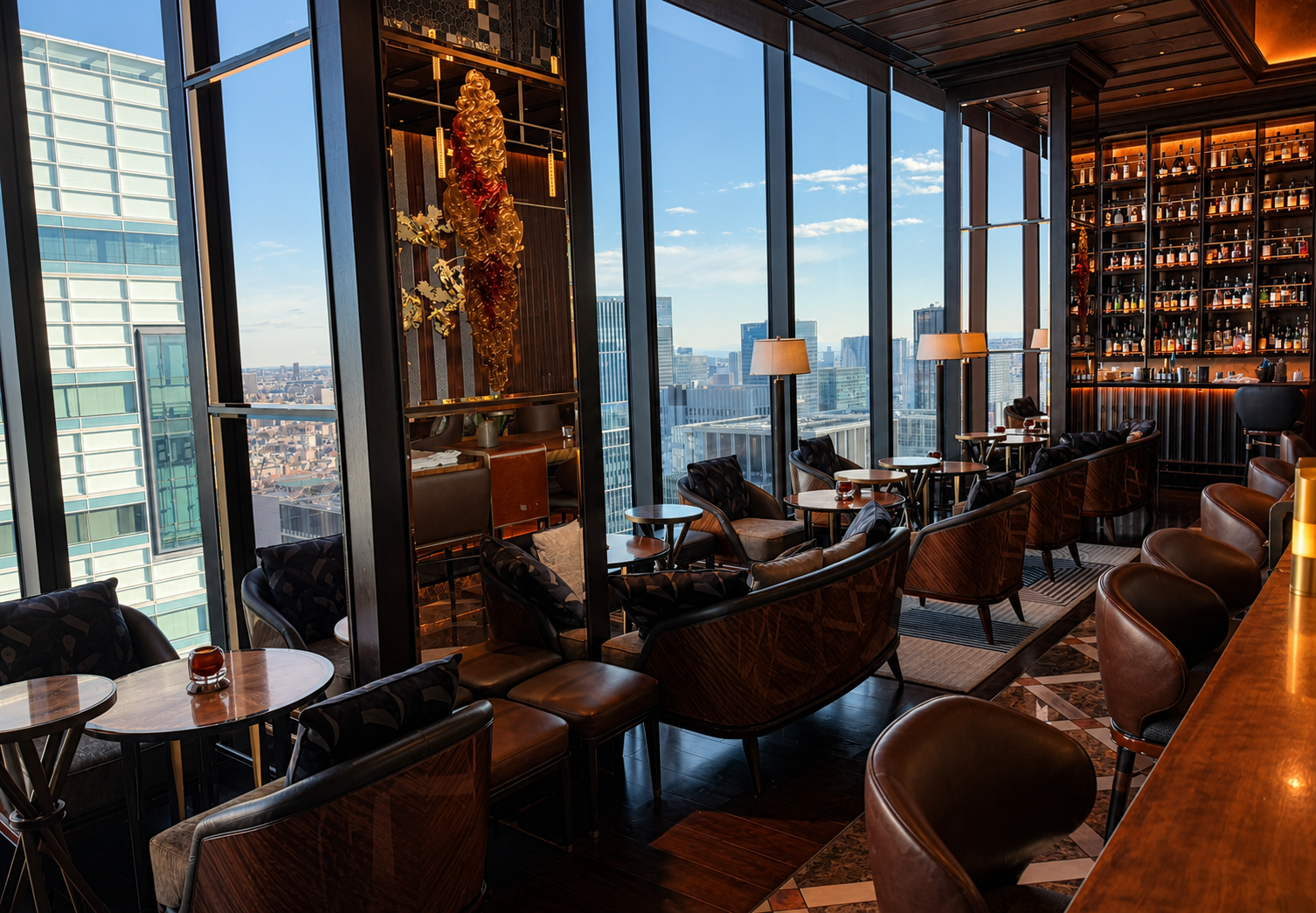
Virtù has also received major international recognition and has been ranked among Asia’s 50 Best Bars. It attracts plenty of people from outside the hotel, so it can become very busy.
The room itself is spectacular, with high ceilings, dramatic views and a huge whiskey menu. It was easily one of the largest whiskey selections I saw during the trip, with a long list of Japanese whiskey, Scotch, bourbon and other spirits.

Despite how popular the bar is, the hotel does a good job of keeping tables available for in-house guests. A lot of Tokyo hotels do not handle that particularly well once their bars become destinations in their own right.
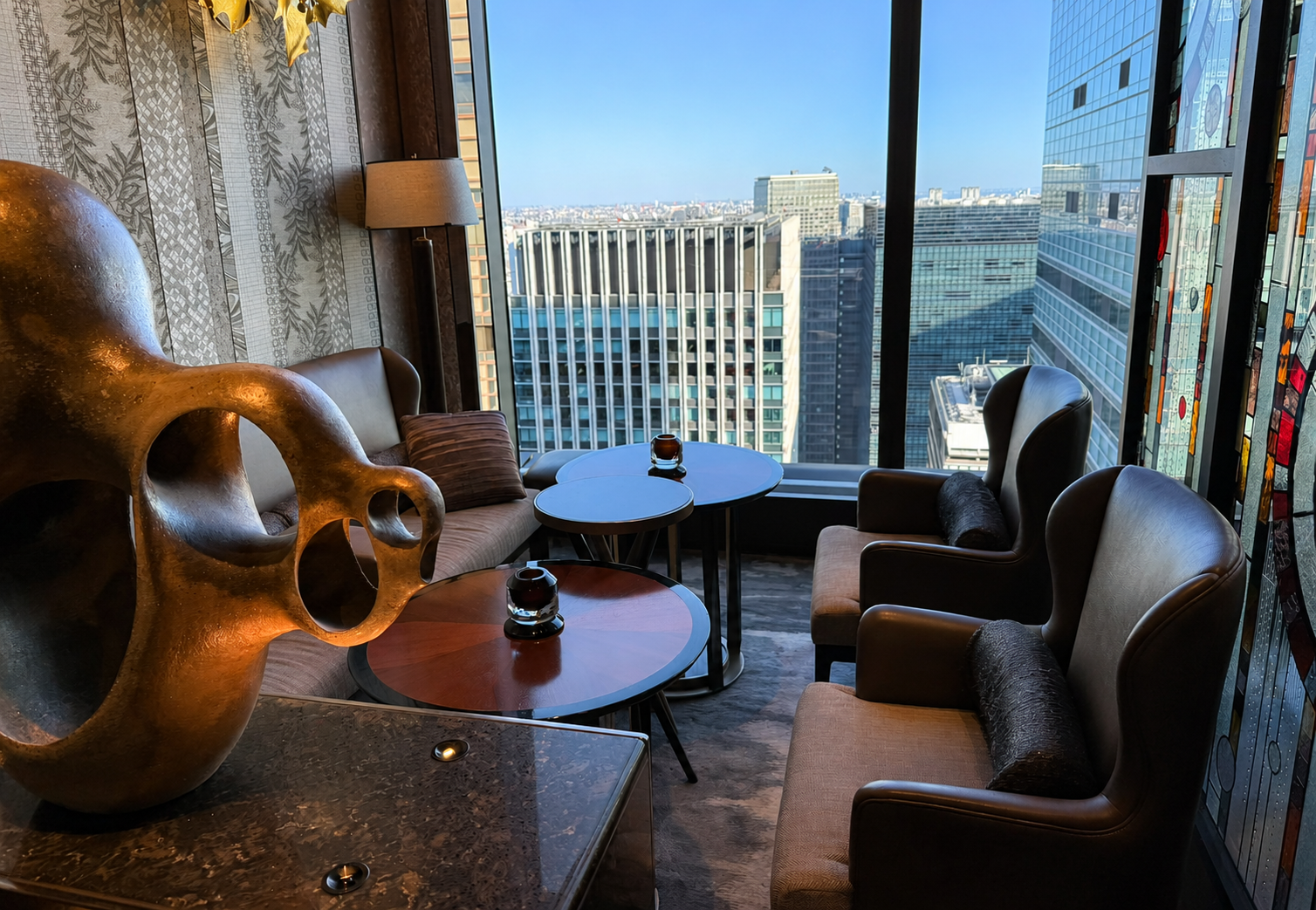

My only criticism is that I wish Virtù opened earlier. It would have been the obvious place for an afternoon drink, but during the day the main alternative was The Lounge, surrounded by people having afternoon tea. There is also bar seating at Pigneto, but I did not find it especially appealing for a relaxed afternoon drink unless I was dining there.
Had Virtù opened earlier, I would have spent much more time there.
The Lounge
The Lounge sits at the center of the 39th floor and is one of the first spaces you see when arriving at the hotel. Despite the name, this is not a traditional hotel lounge reserved for certain guests. Everyone is welcome, and throughout the day it becomes a lively meeting place for coffee, afternoon tea, drinks and light meals. The floor-to-ceiling windows overlook the Imperial Palace Gardens and the Tokyo skyline, although our photos do not come close to showing how impressive the views are in person or how busy this space gets from mid afternoon through to sunset with afternoon-tea goers.
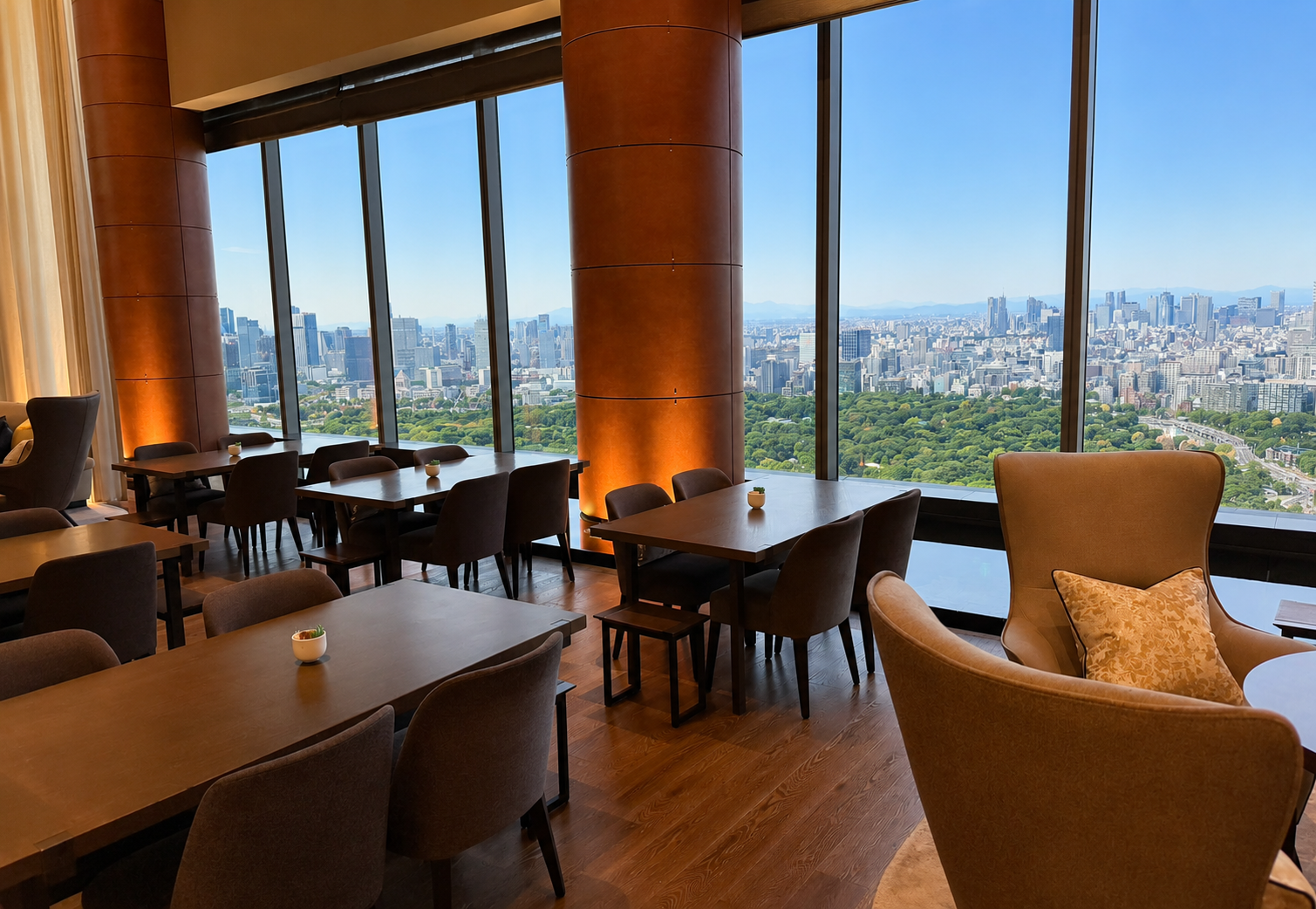
This is the place where Japanese locals come for afternoon tea, and it was full almost the entire time we were there, turning over one tea service after another.
The Japanese do not treat afternoon tea as a casual snack. They turn it into an event. Guests arrive impeccably dressed, photograph every course and make a real occasion of it. Many cos-play the event. Even if afternoon tea is not your thing, it is very good people watching.
During our stay, the hotel was serving its French Early Summer Afternoon Tea, priced at roughly USD 58 to USD 77 per person depending on the day and sitting. The menu included savory items such as pork ham with zucchini cream, beef rillettes, pumpkin mousse tartlets and asparagus tart, followed by peach desserts, blueberry tart, pastries, cakes and scones.
Guests also received 90 minutes of free-flow tea, coffee and seasonal tea mocktails, with optional upgrades for premium Japanese tea experiences and Champagne.
It was easy to see why it was so popular. The presentation was elaborate, the service ran constantly and the room had a real buzz from late morning onwards.

One of the small details I loved at Four Seasons Hotel Tokyo at Otemachi was the overnight self-service station in The Lounge. Coffee, tea, water and a small selection of baked goods are left out for guests, which is ideal when jet lag has you awake at an odd hour. It is a small touch, but exactly the kind of detail that makes Four Seasons stand out.
Spa, Pool & Fitness Center
The spa and wellness facilities are located on the 39th floor and, like much of Four Seasons Otemachi, take full advantage of the hotel's elevated position above Tokyo. While the pool receives most of the attention, it was actually the Japanese-style bathing facilities that we found ourselves using most often.
The spa features separate men's and women's bathing areas, each with an onsen-style hot bath overlooking the city skyline. After days that regularly involved 20,000 steps exploring Tokyo, these became an essential part of our routine. Most evenings we would head back to the hotel, spend time in the hot bath and sauna, and emerge feeling ready for dinner rather than completely exhausted. Looking out across Tokyo from a steaming hot bath is one of those experiences that sounds simple but ends up being one of the most memorable parts of a stay.
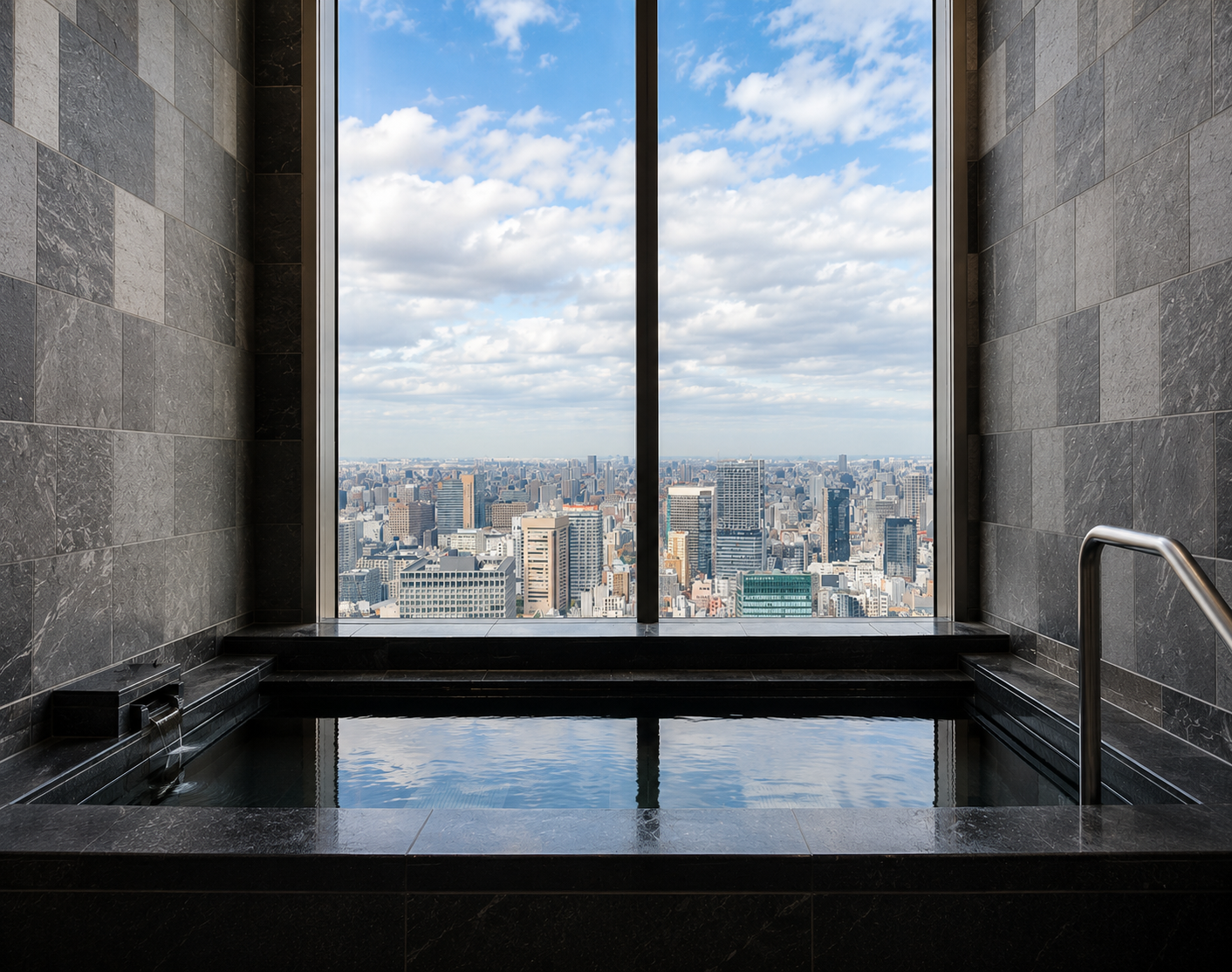


One area where I think Four Seasons could improve is the range of amenities available in the changing rooms. Compared to some of the best spa facilities I have used, including Four Seasons Vail, the offering felt a thin. There are the essentials, but not the extensive selection of creams, treatments and grooming products that allow you to almost complete a full skincare routine before returning to your room.
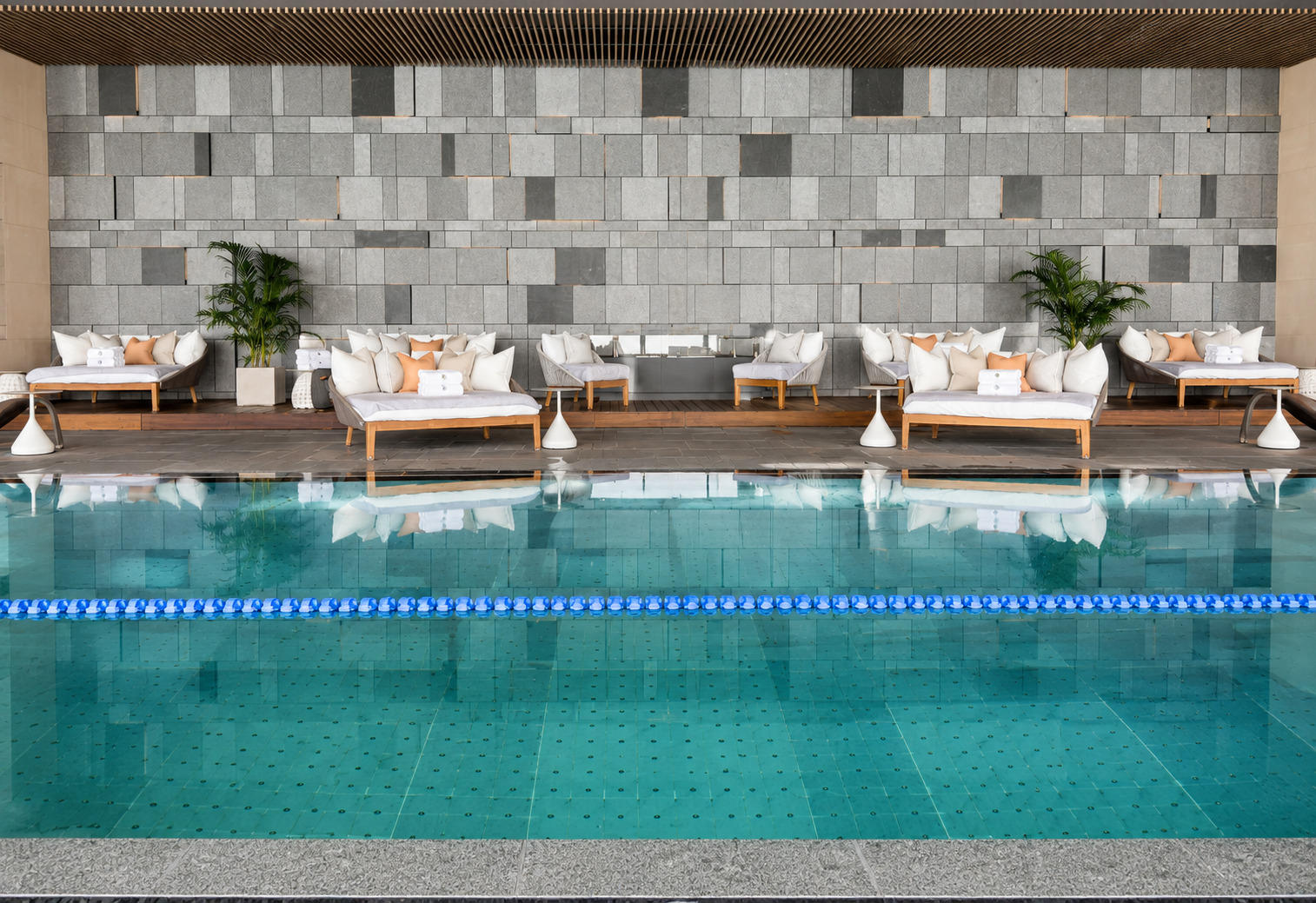
The 20-meter indoor pool is another highlight. Finished in dark stone with clean lines and floor-to-ceiling windows, it feels sophisticated and distinctly Japanese. The materials used throughout the pool area create a calm atmosphere, particularly on cloudy days when the light reflects off the water and surrounding stonework. There is also a secondary hydrotherapy-style pool with pressure waterfalls that are surprisingly effective on tired shoulders and legs after a long day sightseeing.
One thing international guests should be aware of is that swim caps are mandatory, with caps provided by the hotel. This is fairly common in Japan and the rule is enforced consistently. During our stay there always seemed to be a staff member present overseeing the pool area, particularly around swim cap usage. While I completely understand the reasoning, it did make the atmosphere feel slightly more formal than the relaxed resort-style pool environments many international travelers may be used to.
The pool is also used more as a place for exercise than lounging. During our stay most guests appeared to be swimming laps rather than relaxing by the water, which again reflects Japanese pool culture more than anything specific to Four Seasons.


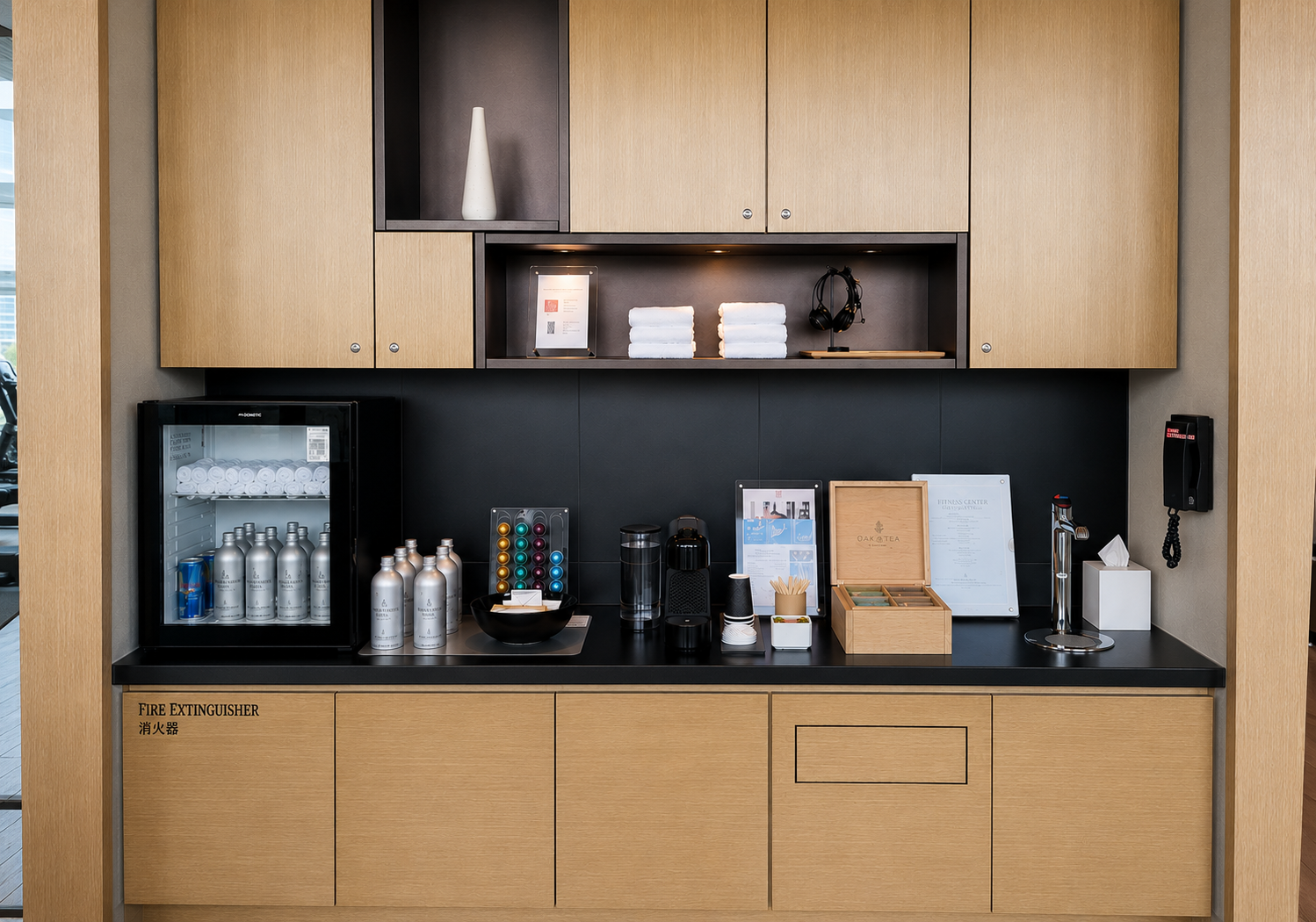
While I did not have a spa treatment during this stay, several clients who have stayed at Four Seasons Otemachi have spoken highly of the spa. Personally, it was the pool, hot bath, sauna and steam room that I kept coming back to.
In a city where you can easily spend entire days exploring on foot, having these facilities waiting for you at the end of the day adds a lot to the overall experience. It was one of the reasons Four Seasons Otemachi felt so easy to settle into for an extended stay.
Service at Four Seasons Otemachi
For a hotel of this size, it would be very easy for the service to feel impersonal or inconsistent. Four Seasons Otemachi is a busy hotel, attracting a mix of international visitors, local diners and business travelers, yet throughout our stay the service remained consistently excellent.
From arrival, the experience felt polished without being overly formal. After check-in, we were given a brief introduction to the hotel and personally escorted to our room. It was a small touch, but after a long flight from Miami it was appreciated and set the tone for the rest of the stay.
One thing we were particularly grateful for was the high level of English spoken throughout the hotel. Every staff member we interacted with communicated clearly and confidently, which made everything from restaurant reservations to general questions far easier than it can sometimes be in Japan.
We also had a situation where my traveling companion was running late from the airport and looked likely to miss a spa appointment. The staff handled it without any fuss, rearranging the treatment and accommodating the delay. It was a small request, but the flexibility was appreciated and avoided what could easily have been a frustrating start to the afternoon.
The only slightly disappointing interaction came with the concierge team. We were having some difficulties understanding parts of the Japanese rail system and approached the concierge for assistance. Initially, the response felt a little dismissive and I found myself having to prompt for more help than I would normally expect at a hotel of this caliber. Once engaged, the information provided was useful, but it was one of the few occasions during the stay where the service did not feel quite as proactive as elsewhere in the hotel.
That aside, service was one of Four Seasons Otemachi's strongest points. Housekeeping was excellent, requests were handled quickly. In a large city hotel where it would be easy for guests to feel like just another room number, Four Seasons Otemachi manages to maintain the personal service that people expect from the brand.
Can You See Mount Fuji from Four Seasons Otemachi?
One question I am often asked is whether you can see Mount Fuji from Four Seasons Otemachi. My answer is always the same: never book a hotel in Tokyo expecting a Mount Fuji view. Even if a hotel technically has views towards Fuji, visibility is incredibly weather dependent and there are plenty of days when it simply won't appear.
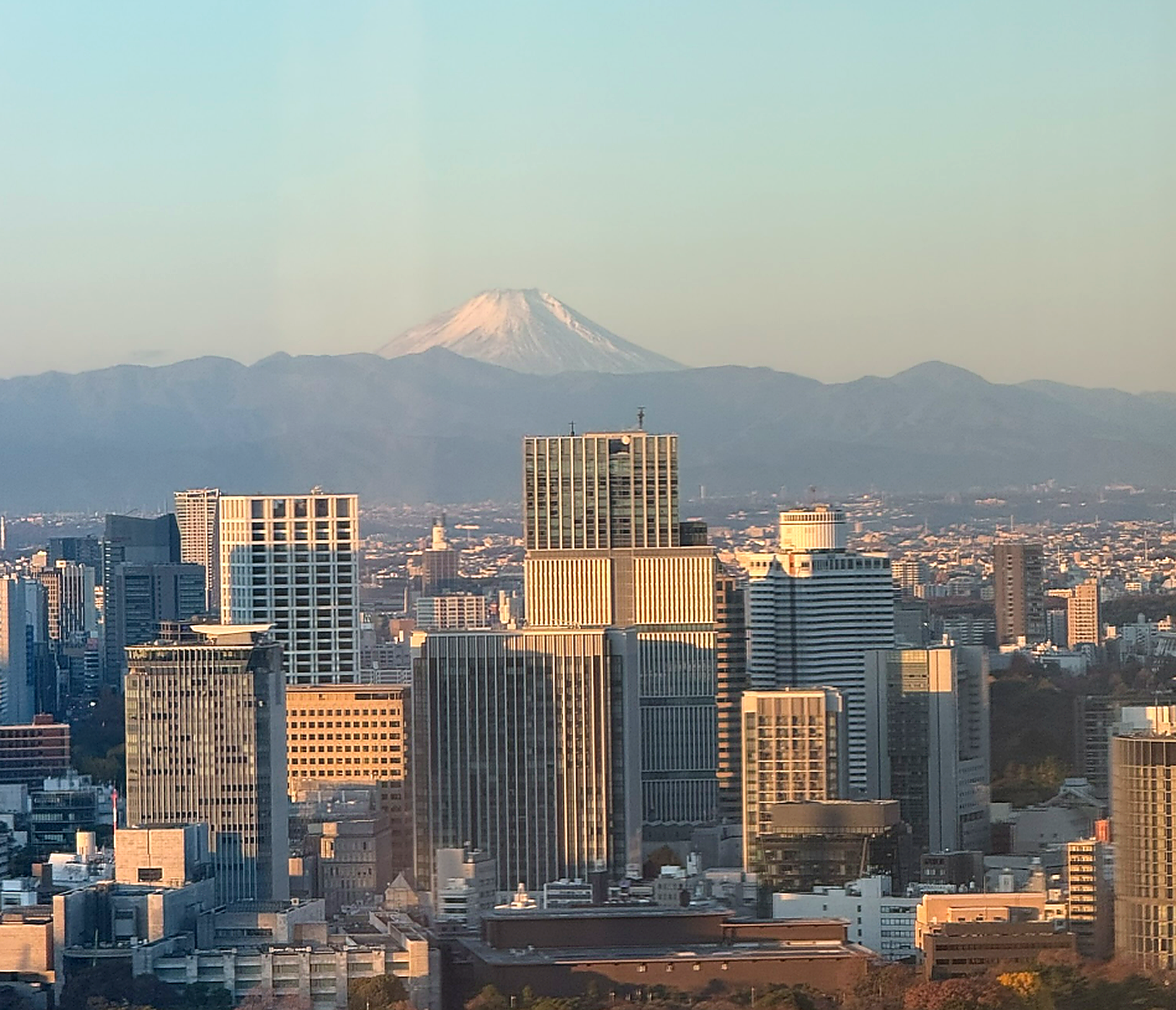
That said, we were lucky. Every morning during our stay, Mount Fuji was clearly visible both from our room and from Pigneto restaurant. Seeing Japan's most famous landmark rising above the skyline while having breakfast was a real highlight of the trip.

Just don't expect it as a guarantee. If you happen to catch a clear day, consider it a bonus rather than a reason to book the hotel. The views over the Imperial Palace Gardens and Tokyo skyline alone are worth the stay.
Four Seasons Otemachi vs Four Seasons Marunouchi
Tokyo has two Four Seasons hotels, but they offer very different experiences. Otemachi is the larger and more impressive property, with panoramic views, a much better pool and spa, more dining options and the feel of a destination hotel.
Marunouchi is smaller and more intimate, with the major advantage of being directly beside Tokyo Station. It works particularly well for shorter stays, late arrivals or travelers continuing around Japan by train. Otemachi is around a 10-minute walk from Tokyo Station, although that can feel considerably longer when traveling with luggage.
I toured Four Seasons Marunouchi in 2018 and, at the time, one drawback was its low-rise position. Some rooms had large windows facing directly toward nearby streets and buildings, and I did not feel that every room offered the level of privacy I would expect from a luxury hotel. The hotel has since completed an extensive renovation and reopened in 2026, so this may have been improved, but I would still ask carefully about the room’s position and outlook before booking.

Post-renovation, however, the interiors look far more polished. There are lots of intricate design details, richer textures and much better soft furnishings throughout, which appear to give the hotel more character and make the smaller spaces feel more refined.
Coming off a 14-hour flight from Miami, I initially found arriving into busy, bustling Otemachi slightly overwhelming. In that respect, Marunouchi’s location directly beside Tokyo Station may have offered a gentler introduction to the city. However, once I had settled in, any hesitation quickly disappeared. The views, restaurants, spa, pool and public spaces at Otemachi more than outweighed that first impression.
For most first-time visitors, I would still choose Otemachi. The facilities, views and overall sense of arrival make it the more memorable hotel, while Marunouchi is likely the better fit for travelers prioritizing convenience, a smaller atmosphere and immediate access to Tokyo Station.
Is Four Seasons Otemachi Worth It?
For me, the answer is yes, but do book through a Four Seasons Preferred Partner who would have access to a portal that shows a number of offers such as extra night free, guranteed upgrades and so on. Even though Japan is experiencing a tourism boom at the moment it seem that there is always some sort of offer available here.
Tokyo has no shortage of luxury hotels, but Four Seasons Hotel Tokyo at Otemachi gets a lot right. The rooms are among the largest you'll find in central Tokyo, the views are exceptional, and the hotel feels far more relaxing than many of the city's busier luxury properties.
At first glance, Four Seasons Otemachi is expensive. Looking at rates for February 2027, I found Deluxe Rooms starting at around $1,239 per night, while Premier Rooms were $1,643 per night.
While an extra $404 per night is not insignificant, I actually think the Premier Room is the better value. For roughly 33% more, you receive a substantially larger room, a coveted corner position, and some of the best views in the hotel. The additional space makes a noticeable difference, particularly on longer stays when you are spending more time in the room.
If my budget allowed, I would personally choose the Premier Room. It feels closer to a junior suite than a standard hotel room and is one of the most impressive luxury hotel rooms in Tokyo without stepping up to a full suite category.
That said, even the Deluxe Room offers excellent value by Tokyo luxury hotel standards. Rooms are significantly larger than many competing hotels, and the combination of spacious accommodations, excellent dining, a superb spa, and panoramic city views helps justify the premium price point.
The standout features for me were the spacious room, the excellent breakfast at Pigneto, and the spa facilities. After long days exploring Tokyo and regularly walking more than 20,000 steps, returning to the pool, hot bath, and skyline views became one of the highlights of the trip.
I also appreciated the location more than expected. While Otemachi lacks the energy of neighborhoods such as Shinjuku or Shibuya, it offers easy access to Tokyo Station, plenty of dining options, and a calmer atmosphere at the end of the day.
The hotel is not cheap, and travelers wanting nightlife directly outside their door may prefer another area of Tokyo. However, for couples, families, business travelers, and first-time visitors looking for a modern luxury hotel with outstanding facilities, Four Seasons Otemachi is one of the best choices in the city.
I would happily stay again and would book a Premier Room next time for the additional space and corner views. If booking through Four Seasons Preferred Partner, guests can also receive daily breakfast for two, a hotel credit, a room upgrade if available, and other benefits that improve the overall value of the stay.
Five Tips for Staying at Four Seasons Hotel Tokyo at Otemachi
A stay at Four Seasons Otemachi is easy to enjoy, but a little planning can make a real difference. These are the five things I would keep in mind before booking.
1. Fly Into Haneda Rather Than Narita
If possible, arrive into Haneda rather than Narita. Haneda is much closer to Four Seasons Otemachi, with a taxi typically costing around ¥8,000 to ¥11,000 (US$55 to US$75) and taking roughly 20 to 30 minutes, depending on traffic.
Narita is much farther away. A taxi will usually cost around ¥31,000 to ¥38,000 (US$210 to US$260) and take about an hour, sometimes longer in traffic.
2. Have a Plan for Jet Lag
Tokyo can be difficult for visitors arriving from North America or Europe. I found myself awake at around 3am most mornings.
The hotel handles this well, with overnight self-service coffee, tea, water and a small selection of pastries available in The Lounge for guests who find themselves awake before sunrise.
3. Book Through Four Seasons Preferred Partner
Rates are usually the same as booking directly, but Preferred Partner guests receive valuable additional benefits, including daily breakfast for two, a hotel credit, priority for upgrades and other added extras.
On a stay of several nights, these benefits can easily be worth hundreds of dollars.
4. Book a Premier Room
If your budget allows, I would choose a Premier Room over a Deluxe Room. Premier Rooms occupy a corner position and offer more space, better views and a more impressive layout.
It is the room category I would personally book on my next stay.
5. Do Not Expect Mount Fuji Views Every Day
Many Tokyo hotels promote views of Mount Fuji, but visibility depends entirely on the weather.
We were lucky enough to see Mount Fuji from both our room and the breakfast restaurant every morning during our stay, but I would never book a hotel in Tokyo expecting a guaranteed view. When it appears, treat it as a bonus.
Book Four Seasons Otemachi with Preferred Partner Benefits
Book Four Seasons Otemachi through Clements Travel and receive Four Seasons Preferred Partner benefits at the same rate as booking directly with the hotel. Benefits include daily breakfast for two, a hotel credit, an upgrade on arrival subject to availability, and additional recognition throughout your stay.
We will also check all available offers for your dates, including free nights, guaranteed upgrades and additional hotel credit, to find the best option available.
There is no booking fee, and you pay Four Seasons directly. We never ask for or store your card details.
Contact Clements Travel to check rates, availability and Preferred Partner benefits.
Already booked? Send your confirmation to hello@clements.travel, and we will check whether Preferred Partner benefits can still be added through our complimentary booking takeover service.